

Why checking your dog for ticks should be part of your routine
Ticks are small, sneaky, and sticky. They love hiding in fur and waiting for a chance to latch on. Regular checks help you find ticks before they stay attached for long, which can make removal easier and help you notice any unusual reactions. Think of it like brushing teeth, but for safety and peace of mind.

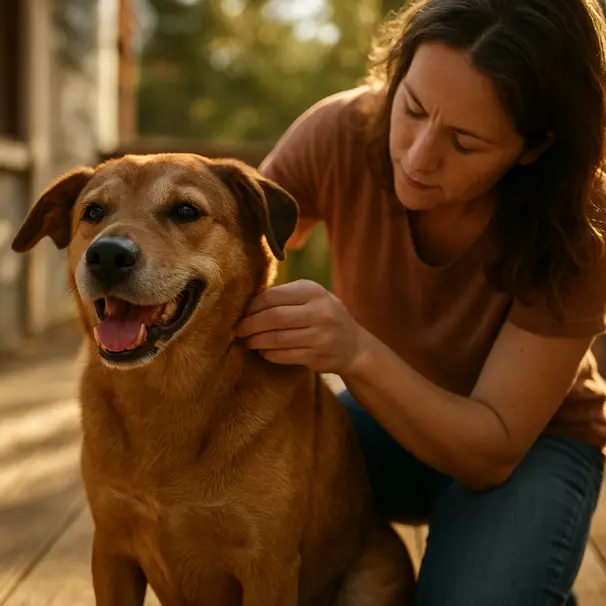
A calm grooming check helps spot hidden ticks early.
What are ticks and what risks do they pose
Ticks are tiny arachnids that feed on blood. Some species may carry pathogens that can affect dogs and people. Finding and removing ticks early can help reduce the chance of a problem, but it can’t completely remove risk. If you ever notice unusual symptoms after a bite, consider contacting your vet for advice.
Common facts to keep in mind
- Ticks can be active in surprisingly mild weather, so seasonality varies by region.
- They attach to warm, protected areas like the groin, ears, and between toes.
- Not every tick carries disease, but any bite deserves attention.
Where ticks like to hide on dogs
When you check your dog, focus on the places ticks prefer. Use your fingers and your eyes, and make this a calm moment for you both. Common hiding spots include the head and ears, around the collar, under the armpits, the groin, between toes, and at the base of the tail. If your dog has long fur, be thorough; ticks can tuck close to the skin and be easy to miss.
When and how often to check
Try to make tick checks a short daily habit in high tick season, and at least after every walk in tall grass or woodlands. For dogs that get daily outdoor time in tick-prone places, a daily check can help you catch hitchhikers early. Short checks feel less like a chore when you pair them with praise, a treat, or a quiet petting session.
Step-by-step: how to check your dog for ticks
Move slowly and let your dog relax. Use these practical steps:
- Choose a calm spot. Sit on the floor or use a table if your dog is used to grooming there.
- Visually scan from nose to tail. Look for small dark specks or tiny raised bumps.
- Part the fur and feel the skin with your fingertips. Ticks often feel like small peas or seeds.
- Pay special attention to ears, eyelids, neck folds, under the collar, between toes, and around the anus.
- If you find something suspicious, don’t panic. Prepare your removal tools and move to the removal steps below.
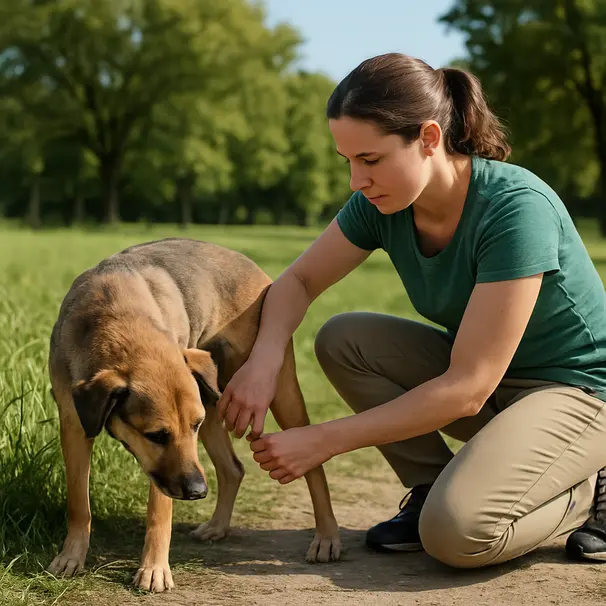
Inspect paws and groin after park adventures.
Tick removal: safe tools and a calm approach
Quick removal is helpful, but safe removal matters more than speed. You can consider tick removal tools like fine-tipped tweezers or a dedicated tick key. Many pet carers keep a small tick kit with tools, gloves, antiseptic wipes, and a sealed container for the tick.
How to remove a tick step-by-step
- Wear gloves if you can, to avoid direct contact.
- Use fine-tipped tweezers or a tick removal tool, grabbing the tick as close to the skin as possible.
- Pull gently and steadily, using even pressure. Avoid twisting, jerking, or crushing the tick.
- After removal, clean the area with mild soap and water or an antiseptic wipe.
- Place the tick in a sealed container or zip bag for possible identification, and note the date and location of the bite.
Avoid folk remedies such as burning, smothering with substances, or squeezing the tick excessively. These methods can irritate the tick and raise the chance of regurgitation, which may increase exposure to pathogens. If you’re uncomfortable removing a tick, or if a tick is deeply embedded, consider contacting your vet or a trained pet carer for help.
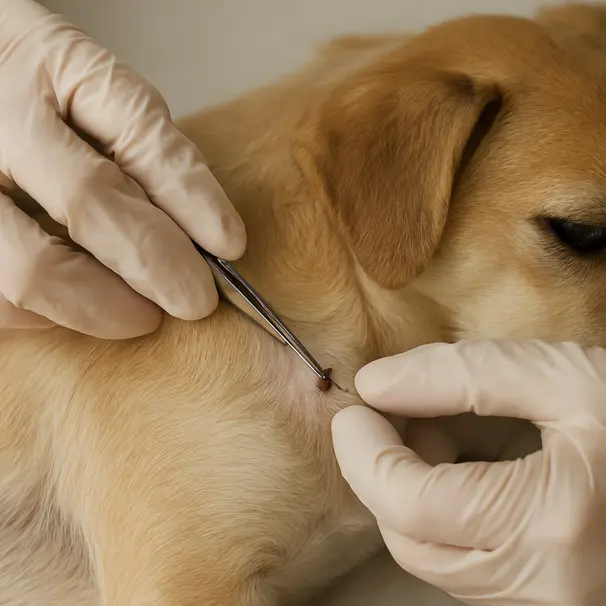
Use fine tweezers for careful tick removal.
What to do after you’ve removed a tick
Once the tick is off, there are a few practical steps that can help you monitor your dog and be ready if anything changes.
- Clean the bite site and your hands, and reward your dog for being brave.
- Save the tick in a sealed container with a small label noting the date and location of the bite. This can help your vet identify the species if needed.
- Take a photo of the bite area and record any unusual behavior or symptoms, such as lethargy, loss of appetite, fever, or lameness.
- Keep the saved tick in a cool place in case your vet wants to examine it later.
If you notice concerning signs after a tick bite, consider contacting your vet. They may want to see your dog, advise testing, or suggest treatment. Use phrasing like, I found and removed a tick on my dog yesterday, and here’s what I’m seeing, so the team has a clear picture.
When to call the vet
Many tick bites are resolved with proper removal and monitoring, but there are times to seek professional help. Call your vet if:
- You’re unable to remove the entire tick.
- Your dog shows signs of illness within a few days to weeks after a tick bite.
- There are many ticks attached at once, or your dog is very young, elderly, or medically fragile.
- You’re unsure about the type of tick and want expert guidance.
Remember, your vet can help you decide whether testing or preventive treatment is appropriate. They can also guide you on what to watch for in the days and weeks after a bite.
Prevention options you can consider
Prevention combines product choices, yard care, and habit changes. Consult your vet about the best options for your dog, because one approach may not fit every dog and every region.
- Topical spot-on treatments, oral medications, and tick collars can help prevent ticks or kill them quickly after attachment. Consider your dog’s age, weight, and lifestyle when discussing products with your vet.
- Keep grass short and remove leaf litter and brush where ticks like to hide. Creating tidy boundaries between wooded areas and lawns can reduce tick encounters.
- Check your dog after outings in tall grass, woodlands, farms, or in areas with high wildlife traffic.
- Wash and dry dog bedding regularly on a hot cycle if possible. Ticks can be brought inside on fur and gear.
Practical tips for pet carers and walkers
Pet carers, walkers, and sitters play a big role in early detection. Communicate clearly with owners, carry a small tick kit, and know local tick hotspots.
- Tell owners if you find a tick and what you did, plus any signs you noticed afterward.
- Keep supplies handy: gloves, tweezers or a tick tool, antiseptic wipes, small zip bags, and a logbook or phone notes for dates and locations.
- Train carers in calm handling during checks. A relaxed dog is easier to examine and less likely to squirm during removal.
Travel and ticks: extra caution when exploring
Traveling to new regions can expose your dog to different tick species. Before you travel, check local advice and speak to your vet about appropriate preventive measures. After a trip, do a thorough check and note any unusual bites or behavior. Carry a travel-sized tick kit for peace of mind.
Seasonal checklist and simple routine
Use a short checklist to make tick checks easy to remember. You might pin it on a notice board or add it to your pet care app.
- After every outdoor trip in risky areas: quick scan and feel.
- Daily during high-risk months: short hands-on check.
- Weekly: full body inspection, including between toes and inside ears.
- Keep a small tick kit in your car, bag, or first aid drawer.
Quick troubleshooting and FAQs
My dog had a tick attached for a long time, what now?
If a tick was attached for an extended period, monitor your dog closely and consider contacting your vet. They may suggest watching for symptoms or arranging an examination. Keeping the removed tick can help with identification if needed.
Can humans catch diseases from ticks on dogs?
Ticks that bite dogs can also bite humans, so prompt removal and preventive measures for dogs can help reduce household exposure. If you or a family member notice symptoms after a tick bite, seek medical advice.
How do I know if a tick is fully removed?
You should see the entire tick, including the head. If a mouthpart is left in the skin, it may cause local irritation. If that happens, or if you’re unsure, contact your vet for advice on removal or care.
Final thoughts and a simple habit you can start today
Checking your dog for ticks is a small habit with meaningful benefits. It helps you catch things early, keeps your dog comfortable, and gives you confidence when your dog explores the outdoors. Start with short, calm checks, keep a small kit ready, and lean on your vet when you need help. Pet carers and owners working together make a strong team against ticks.
Remember, ticks are part of the outdoors, but you don’t have to let them spoil the fun. A gentle hand, a few minutes each day, and a calm approach go a long way toward keeping your dog safe and happy.
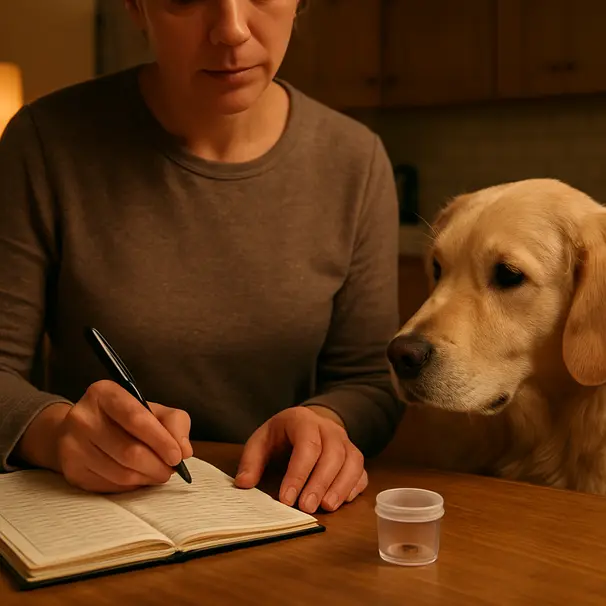
Log bites and keep veterinary contact details handy.