How to Choose a Trustworthy Pet Carer for Dogs and Cats
Liam·
6 June 2026
7 min read
Why a trustworthy carer matters
Leaving a beloved dog or cat with someone else can stir up all kinds of feelings. You want your pet to be safe, comfortable, and happy while you’re away. A reliable carer keeps routines consistent, notices small changes in behavior, and can handle unexpected situations calmly. Trust isn’t just about credentials, it’s about how a person treats your pet, communicates with you, and follows through on promises.
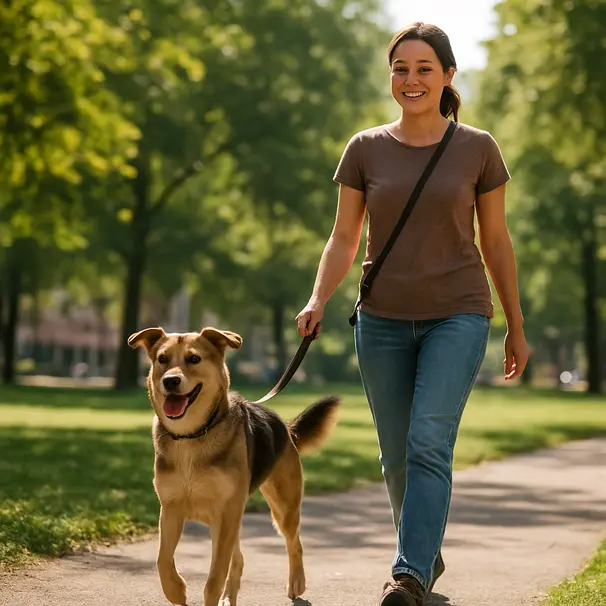
Thinking of a carer as a temporary guardian helps shift priorities. Guardians look for cues, follow your instructions, and keep your pet emotionally secure. That makes coming home a relaxed reunion for everyone.A cheerful walk in the park builds early trust.A cheerful walk in the park builds early trust.
Types of pet carers and what they do
There are different kinds of carers, and each suits different needs. Knowing the options helps you pick the right fit.
Pet sitters: Visit your home to feed, play, and check in on pets. Great for pets who prefer familiar surroundings. - Dog walkers: Short or long walks during the day. Ideal for high-energy dogs that need exercise and bathroom breaks. - In-home boarding: A carer looks after your pet in their home. Good for social pets who enjoy company, but consider temperament and compatibility. - Professional kennels and catteries: Structured care with staff on-site. Useful for long trips or when medical oversight is needed. - Daycare services: Daytime social interaction and activity, which can help with boredom and separation anxiety if your pet enjoys groups.
Think about your pet’s personality. A shy cat may do best with short sitter visits at home, while a lively Labrador might prefer dog daycare or frequent walks.
Where to look for trustworthy carers
Start with trusted sources. Word-of-mouth recommendations from friends, family, or your vet are gold. People who’ve seen a carer in action give real insight. Online platforms that specialize in pet care can help, especially those that offer verified reviews, profile checks, and background screening options.
Local community boards and social media groups can also help you find carers who are known in the neighborhood. Just remember to cross-check references and reviews.
What to check on a carer’s profile
A profile should be more than pretty photos. Look for these practical signals:
Experience: Years of pet care, types of pets worked with, and specific experience with breeds or behaviors similar to yours. - References and reviews: Read recent reviews and ask for references you can contact directly. Ask about punctuality, reliability, and how the carer handled problems. - Certifications and training: Pet first aid, animal behavior, or professional courses are a plus. They don’t replace good instincts, but they can help in emergencies. - Insurance and bonding: Insurance protects you and your pet if something goes wrong. Bonding can provide financial protection against theft or property damage. - Services offered: Check whether they administer medications, handle special diets, or provide extra training sessions.
Interview questions to ask before hiring
A short interview helps you judge personality and preparedness. Ask open questions and listen for thoughtful answers.
How long have you been caring for pets professionally? - Can you describe a challenging situation you handled and what you did? - How do you handle pets that are anxious, aggressive, or shy? - Are you comfortable giving medication, and how do you track doses? - What are your backup plans for illness or emergencies? - Do you have experience with my pet’s breed or special needs?
Observe how they talk about pets. People who care deeply usually mention small details, like favorite toys or subtle behavior signs. Those details show attentiveness.
Meet-and-greet checklist
Always arrange a meet-and-greet before confirming a booking. It gives your pet a chance to meet the carer, and it helps you see the dynamic in person.
Observe interactions: Does the pet approach the carer? Is the carer calm and respectful? Watch body language from both sides. - Ask for a demonstration: Ask the carer to put on a leash, open a carrier, or handle a treat. This shows practical skills and patience. - Home tour: If the carer will visit or stay in your home, note how they act around doors, litter boxes, or food storage. - Emergency response: Discuss specific emergency steps. Ask them to explain how they would respond to an injury or sudden illness.
Trust your instincts. If something feels off, schedule a second meeting or try a different carer.A calm meet-and-greet helps shy cats relax.A calm meet-and-greet helps shy cats relax.
Red flags to watch for
Some warning signs deserve immediate attention. Spotting them early prevents problems later.
Poor communication, missed calls, or vague answers about experience. - Reluctance to provide references or allow a trial visit. - No willingness to follow your pet’s routine or instructions. - Pressure to pay in cash without a receipt or refusing a written agreement. - Overcrowded schedules that hint at rushed visits and poor care. - Defensive responses to reasonable safety questions, like vaccination handling or emergency steps.
It’s better to walk away from a questionable match than to risk your pet’s comfort and safety.
Trial period and a short test run
A short trial helps both sides adjust. Arrange a single visit or a short walk before longer bookings. A trial can help you confirm timing, behavior management, and communication style.
During the trial, watch how the carer follows feeding instructions, handles leash manners, and cleans up after the pet. Ask for a text update with a photo so you can see how your pet is doing. Small things, like a timely photo and a clear note about a walk, say a lot.
Communication and emergency planning
Good carers are excellent communicators. Agree on how often you want updates and what format you prefer. Some owners appreciate a quick text after each visit, others want daily summaries. Set expectations ahead of time.
Emergency planning matters. Share your vet’s contact details, an emergency contact who can make decisions if you’re unreachable, and clear instructions about insurance or preferred clinics. Ask your carer where they would take your pet in an emergency, and consider leaving a signed authorization form for emergency medical care if your local clinics require it.
If your pet has health issues, consider a short written plan covering medication schedules, doses, and visible signs to watch for. Use the word consider when talking about medical matters and encourage carers to consult a vet if they see concerning changes.
Agreements, payments, and paperwork
Put expectations in writing. A clear agreement protects both parties and avoids surprises. Include dates, times, services, rates, cancellation policy, emergency contacts, and any special needs. Keep a copy for yourself and one for the carer.
Use secure payment methods that provide a record, like bank transfer or trusted payment platforms. If you need to pay cash, ask for a receipt. Discuss gratuity if you feel the carer goes above and beyond, but try to set a fair baseline rate upfront.
Small differences for cats and dogs
Cats and dogs have different social needs so tailor your expectations accordingly.
Cats: Many cats prefer their own environment. Short visits that include play, litter cleaning, and cuddle time may be best. Look for carers who are patient around hiding behaviors and know how to use treats to build trust. - Dogs: Dogs often need exercise and bathroom breaks. A reliable walker who sticks to schedules helps prevent accidents and anxiety. For social dogs, a carer who can handle off-leash or group settings may be valuable.
Describe your pet’s quirks clearly. Saying “my cat hides when strangers visit” is more helpful than “my cat is shy.” Real detail helps carers prepare.
Preparing your home and pet
Make your pet comfortable and the carer’s job easier. Leave clear instructions for feeding, treats, medications, and favorite toys. Show where supplies are kept and point out any hazards like toxic plants, exposed wiring, or cleaning chemicals.
Label boxes and containers to avoid confusion. If your pet has special routines, like a specific bedtime ritual or a preferred walking route, write those down. A short cheat sheet glued to the fridge can be a lifesaver.
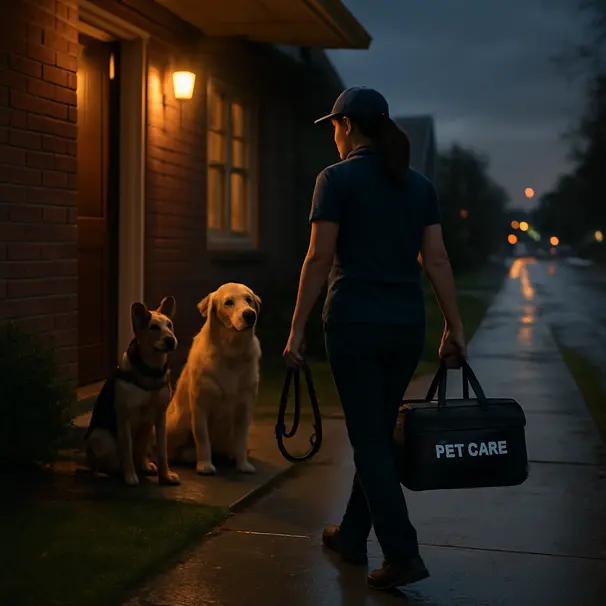
Introduce your pet to the carer’s scent by swapping a worn cloth or letting the carer visit briefly several times before a longer stay. Familiar smells can reduce anxiety and help pets warm up faster.Clear instructions and packing prepare every visit.Clear instructions and packing prepare every visit.
Final checklist before you go
Use this quick checklist to feel confident when you leave:
Completed meet-and-greet and positive trial run. - Written agreement with services, rates, and rules. - Emergency contact list and vet information provided. - Clear feeding, medication, and routine instructions. - Carer’s contact details and expected check-in times. - Payment method agreed and receipt arrangement settled.
Parting thoughts
Choosing the right carer is a mix of practical checks and gut feeling. Look for experience, good communication, and a genuine affection for animals. Don’t be afraid to ask questions and take time to find someone who fits. With the right match, you’ll feel calm while you’re away and your pet will be content, safe, and looked after. Enjoy your time away, and trust that a thoughtful carer can make the reunion that much sweeter.
Share
How to Choose a Trustworthy Pet Carer for Dogs and Cats
Floofy uses cookies and similar technologies to personalise content, measure ads, analyse traffic, and provide you with the best possible experience. Some cookies are essential for the site to function and cannot be turned off. By accepting, you agree to our
Cookie Policy. You can update your preferences at any time.
Cookie Settings
When you visit Floofy, we may store or access information on your browser, often through cookies. This data helps us provide a smoother, more tailored experience based on your preferences or device settings. While the information doesn’t usually identify you personally, it enhances your time with us. We respect your privacy choices, so feel free to manage your cookie preferences by exploring each category. Keep in mind, however, that limiting certain cookies may affect the performance of the site and the services we can deliver.
Cookie Policy