

Intro: Why Good Care Matters
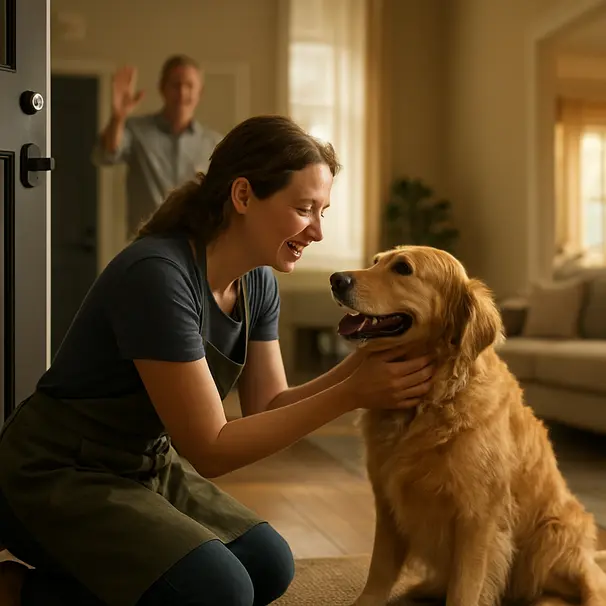
Your pet is more than an animal; it’s a friend who’s part of your daily life. When you travel, have a busy work week, or take a weekend away, you want to know that friend is in good hands. A reliable pet carer can reduce stress for both you and your pet, maintain routines, and provide safety. In this article, we explain clearly and practically how to choose a good pet carer, what to prepare, and how to make the transition smooth.
Step 1: Determine What You Need
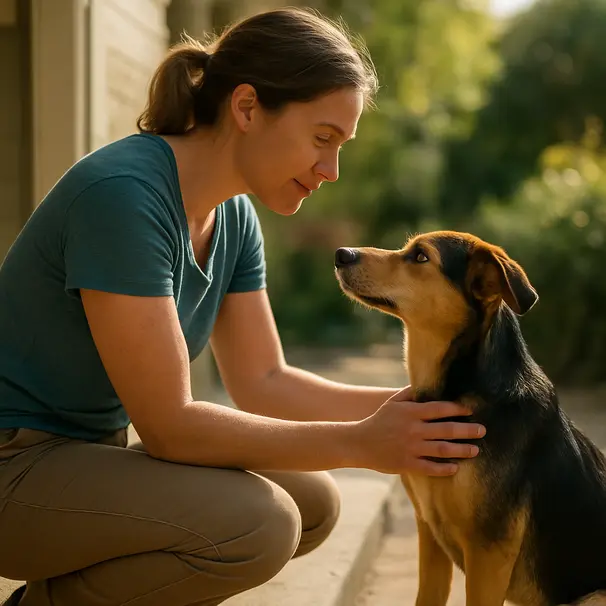
Before you start searching, it’s helpful to be clear about what care your pet needs. Not all babysitting situations are the same. Think about:
- Type and age of your pet: a young puppy needs different attention than an older cat.
- Medication or special care: does someone need to administer medication, or is supervision of movements needed?
- Social needs: does your dog desperately need lots of exercise, or is your cat most comfortable with short visits?
- Carer location: does the carer come to your home or does your pet spend time elsewhere?
Once you have those things sorted, you can search more specifically and compare candidates better.
Step 2: Where Do You Find a Pet Carer?
There are different places to search. Mobile apps and platforms like Floofy connect you with local carers. Also ask in your network: neighbors, friends, or your vet often know reliable people. Local pet stores or community boards can also provide tips.
Pay attention to clear information in ads: experience, references, and whether the carer is insured. A short introduction before you book someone gives extra security.
Step 3: What to Look for During Introduction and First Conversation?
An introduction can answer many questions. Always plan a face-to-face or video call conversation. These are helpful points to discuss:
- Experience and training: how long have they been pet sitting, do they have references?
- Availability and flexibility: does their schedule fit your plans?
- Communication: how often and through which channel do they send updates?
- Safety procedures: what do they do in emergencies, do they have first aid knowledge for pets?
- Terms: cancellation policy and payment arrangements.
Pay attention to how the carer interacts with your pet during the first contact. A calm, patient approach and attention to your pet’s body language are good signs.
Question List You Can Take Along
- Can you share references from recent work?
- Do you have experience with my pet type and breed?
- What do you do if my pet suddenly gets sick or has an accident?
- How do you report daily on my pet’s wellbeing?
Step 4: Check References and Reviews
A short phone call or message to previous owners can teach you a lot. Ask about punctuality, reliability, and whether agreements were kept. Reviews on platforms often give an honest picture, but pay attention to patterns: one bad review can be an incident, multiple similar signals are more important.
If a carer is insured and has a background check, that offers extra peace of mind. Platforms like Floofy often show verification badges and reviews, use that information.
Step 5: Make Clear Agreements
Good agreements prevent misunderstandings. Write down in writing what’s expected, including:
- Pickup times and frequency of visits.
- Feeding schedule and treats.
- Walking routes and playtime.
- Medication instructions, including dosage and times.
- Home access: keys, alarm codes, and house rules.
A short route map to the vet and emergency contacts can make the difference during stressful moments.
Step 6: Prepare Your Pet for Babysitting
Pets react to changes. A little preparation can take away a lot of anxiety:
Practice Short Goodbyes
Start small: let the carer make one short visit so your pet gets to know the new person. Build this up with longer visits. This makes the new ritual less threatening.
Keep Routines as Much as Possible
Pets feel safe when their rhythms are right. Let the carer know what times you feed, walk, and play. A written schedule on the fridge is handy and prevents misunderstandings.
Create a Familiar Environment
Make favorite toys, blankets, and scents available. A familiar blanket or a worn piece of your clothing can provide comfort during your absence.
Step 7: Health and Safety
Make sure medical information is always available. Mention allergies, medication, and your vet’s name. Avoid medical claims, but write clear practical instructions. Consider informing your vet about the babysitting period and give permission so the carer can contact directly if needed.
If your pet takes special medication, practice administering it under your carer’s guidance. This can help ease fears and prevent mistakes. When in doubt, consult your vet.

Step 8: Communication During Babysitting
Coordination during babysitting is important. Discuss beforehand whether you want daily updates, photos, or short messages. Some pet owners find it reassuring to hear every day how things are going, others prefer not to be disturbed. Make an agreement about that.
Set up a fallback plan for situations like delays or the carer getting sick. Who can step in? How do you reach the carer outside work hours? Clarity gives security for everyone.
Step 9: Payment and Terms
Make sure payment arrangements are clear: rate per visit or per day, extra costs for travel or extra attention, and when payment is due. Also write down the cancellation policy. A transparent agreement prevents frustration later.
Step 10: Evaluation and Feedback
When you return, talk with the carer about how it went. Give constructive feedback and ask for observations about your pet’s behavior. That helps with future arrangements. If you’re satisfied, leave a review on the platform so others benefit from your experience.

Practical Checklist for Departure
- Write an overview with feeding amounts, times, and preferences.
- Lay out medication with clear labels and doses.
- Leave contact details: your phone, emergencies, and vet.
- Give the carer a short tour: where are the keys, trash bags, and cleaning supplies?
- Leave a few favorite toys and a blanket visible.
In Conclusion: Trust Grows with Experience
A good match between you, your pet, and the pet carer brings peace of mind. Don’t expect everything to be perfect the first time. With clear communication, a trial period, and small steps, you build trust. If you select carefully and work pleasantly with your carer, you can travel with confidence knowing your pet is in loving hands.
Remember, it’s often the small things – a consistent routine, friendly attention, and clear agreements – that make the difference. Good luck and happy travels!