

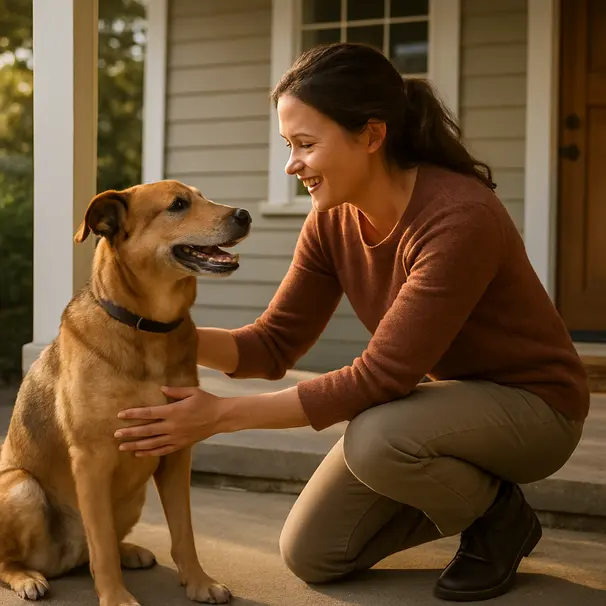
How to choose the right pet carer for your dog or cat
Bringing someone new into your pet’s life can feel a little like introducing a new family member. You want someone patient, responsible, and affectionate. You also want someone who understands routines, knows how to manage emergencies, and will leave your home the way they found it. This guide walks you through practical steps to find a great carer for your dog or cat, with simple checklists you can use when interviewing candidates.
Why choosing the right carer matters
Your dog or cat picks up on energy and routine. A mismatch can mean stress, missed medications, skipped walks, or a home that feels less safe. The right carer reduces anxiety, preserves training gains, and keeps your pet both physically and mentally engaged. For you, the best carer brings peace of mind so you can travel, work late, or handle life’s surprises without constant worry.
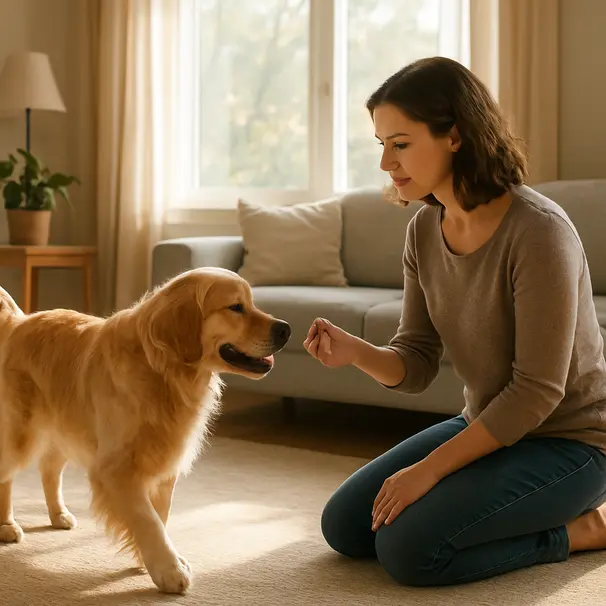
Types of pet care and what they offer
Different situations call for different kinds of carers. Understanding the options helps you match services to your pet’s needs.
- Dog walking: Short, regular outings to burn energy and prevent boredom. Ideal for busy owners with daytime schedules.
- In-home pet sitting: The sitter stays in your home or visits to provide feeding, litter care, walks, and companionship. Good for pets that do best in their own environment.
- Boarding or home-boarding: Your pet stays at a carer’s home or a facility. This can be social and engaging for dogs that enjoy others, but some cats and shy dogs may prefer home visits.
- Daycare: Supervised daytime play and rest, usually with other pets. Best for social, high-energy dogs that need structured activity.
- Overnight or live-in care: For long trips or pets that need continuous supervision.
Match the service to your pet’s temperament. A senior cat may prefer a polite daily visit and quiet time, while an adolescent Labrador might need multiple walks and play sessions.

What to look for in a pet carer
You can evaluate potential carers using several practical criteria.
- Experience and references. Ask about years of care, types of pets they’ve worked with, and request references. Speak directly with past clients if possible. Ask about reliability, how the carer handled problems, and whether the pet’s behavior improved or stayed steady.
- Qualifications and training. Formal training in animal behavior, pet first aid, or professional certifications are pluses. These suggest the carer has invested in safe, informed care.
- Insurance and bonding. Professionals often carry insurance that protects you and your home. Bonding can provide extra reassurance against theft or negligence.
- Communication style. Do they send timely messages, photos, or GPS walk logs? Clear updates reduce stress for both you and your carer.
- Availability and flexibility. Confirm schedules, holiday policies, and cancellation rules. The best carers are upfront about limits and fees.
- Comfort with your pet’s needs. If your pet is anxious, reactive, or requires medication, make sure the carer has relevant experience and patience.
- Clean record and background checks. Many platforms provide background checks. Don’t hesitate to request one if it’s not offered.
Practical red flags
- Vague answers about experience.
- Refusal to provide references.
- Poor communication during the booking process.
- Hesitation to follow your pet’s routine.
- No insurance or unwillingness to discuss safety procedures.
How to prepare for the first meeting
The first meeting is as much about observing your pet’s reaction as it is about getting to know the carer.
- Arrange a short meet-and-greet. Keep it casual and allow your pet to approach the carer. Let your pet lead the interaction.
- Observe body language. Is your dog relaxed with soft eyes and a loose mouth? Is your cat curious without hissing or hiding? Watch how the carer responds. A calm, patient approach is essential.
- Share clear instructions. Walk through feeding, walk routes, favorite toys, rules about furniture, and any off-limit rooms.
- Demonstrate routines. Show how you put on a harness, administer medicine, or calm your pet after a storm.
- Ask about handling. See how the carer picks up a toy, leashes a dog, or approaches a shy cat. Practical skills matter.

Questions to ask every candidate
A short list of focused questions helps you compare candidates.
- How long have you been caring for pets, and what breeds or temperaments have you worked with?
- Can you provide two or three references from recent clients?
- Are you insured and bonded?
- How do you handle emergencies or vet visits? Who makes decisions if I’m unreachable?
- How do you manage walks for reactive dogs or multi-pet households?
- Do you administer medications, and how comfortable are you doing so?
- What is your cancellation policy and how do you handle unexpected schedule changes?
- How will you update me during the job? Text, photo, or a short note?
Record answers so you can compare candidates later. If a carer hesitates on emergency plans or medication, that’s a sign to dig deeper.
Trial runs and short bookings
Before a long trip, try a short booking or single day service. A 1–2 hour dog walk, an evening visit, or one overnight stay gives you a test run. Use this time to evaluate punctuality, how the carer follows instructions, and how your pet recovers after the visit.
- Watch how your pet behaves for 24–48 hours after the visit. Look for changes in appetite, sleep, and stress behaviors.
- Ask for a detailed report. A good carer will note feeding times, potty breaks, and any unusual behavior.
Handling health, medication, and special needs
If your pet needs medication or has a health condition, be explicit and thorough.
- Provide written instructions. Include dosage, timing, administration method, and signs to watch for.
- Supply necessary tools. Pill pockets, syringes, or video demonstrations can help.
- Leave emergency vet details and your preferred clinic’s contact info. Consider authorizing the carer to seek vet care if you are unreachable.
- Consider a vet consult beforehand. You may want to ask your vet for a short note about administering meds or managing a chronic condition. Use language like “consider” or “may” for health-related suggestions.
Safety and the home environment
A safe environment benefits both your pet and your carer.
- Secure fences and gates. Check that all latches work and known escape routes are blocked.
- Pet-proof hazards. Put away toxic foods, secure cleaning products, and stow small items that can be swallowed.
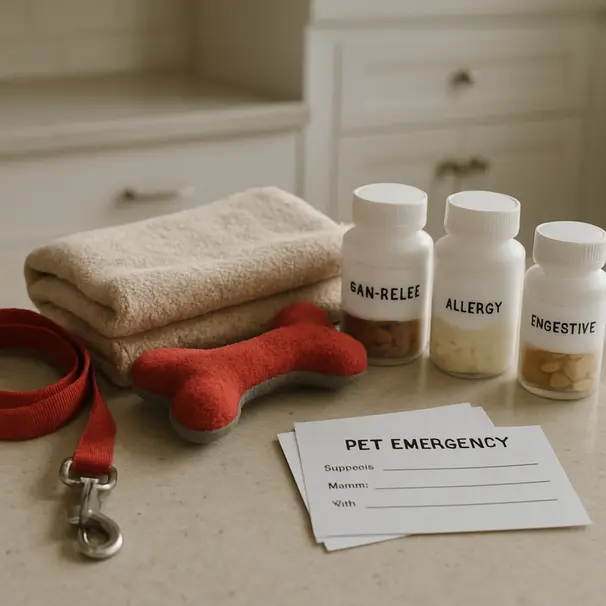
- Leave an emergency kit. Include food, a leash, favorite treats, a blanket, and your contact cards.
- Discuss household rules. Let the carer know about off-limit areas, sleeping spots, and noise concerns.
Payment, contracts, and expectations
A simple written agreement avoids confusion.
- Confirm rates and what they include. Clarify whether travel, extra visits, or holiday days cost more.
- Put emergency protocols in writing. Who pays for vet bills and what approvals are required?
- Discuss cancellation and refund policies. Keep everything fair and transparent.
A professional carer will welcome a clear agreement. It shows you respect their time and sets expectations for the relationship.
Day-of-care tips for a smooth experience
- Leave detailed notes. Reiterate routine, feeding amounts, and preferred commands.
- Offer comfort items. A blanket or worn T-shirt can help pets settle.
- Ensure access. Provide keys, a door code, or a lockbox with clear instructions.
- Keep a calm goodbye. Pets sense your energy. A brief, upbeat goodbye can reduce anxiety.
Aftercare: checking in and giving feedback
A quick debrief after a job helps build a good partnership.
- Ask for a brief summary. Most carers will give notes about activities, food, and behavior.
- Share constructive feedback. If something didn’t go as expected, discuss it kindly and find solutions.
- Praise what went well. Positive reinforcement builds trust and encourages consistency.
When to switch carers
Sometimes the fit is simply not right. Consider finding a new carer if you notice:
- Repeated missed visits or poor communication.
- Your pet shows increased stress after visits.
- The carer ignores safety or routine instructions.
- You discover dishonesty or breaches in trust.
It’s okay to move on. Your pet’s comfort and safety come first.
Quick checklist to bring to interviews
- References and contact info.
- Proof of insurance or bonding.
- A list of emergency contacts and vet details.
- Clear medication instructions if needed.
- Payment and cancellation terms.
Final thoughts
Choosing the right pet carer blends practical checks with gut feeling. Look for someone who respects your pet’s personality, communicates openly, and follows your guidance. Trust builds over time, so start small, stay observant, and be generous with feedback when things go well. Your dog or cat will thank you with calmer days, steady routines, and lots of happy purrs or tail wags.
If you’re unsure about medical issues or emergency care, consider consulting your vet for personalized advice. A little preparation goes a long way toward confident, relaxed care.
Happy searching, and may your next carer become a new friend to both you and your pet.