

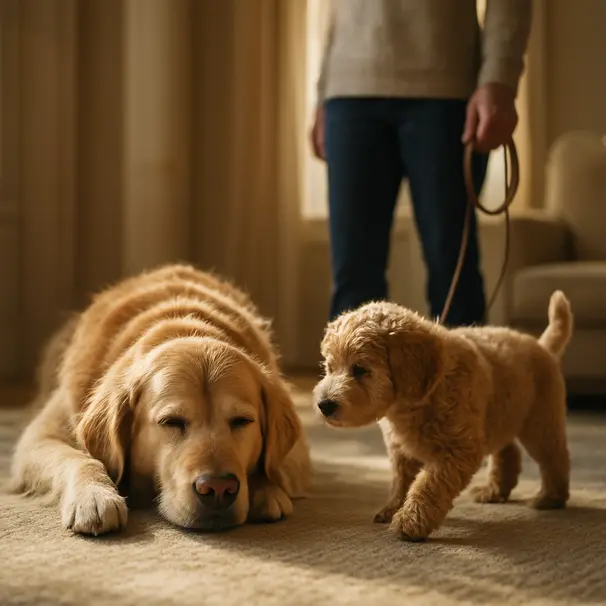
How to introduce a puppy to an older dog
Bringing a puppy into a home with an older dog is one of those milestones that feels equal parts joyful and nerve-racking. You want play, companionship, and long-term harmony, but you also want to protect your older dog’s comfort and teach the puppy good manners. This guide gives clear, practical steps you can follow, plus gentle troubleshooting tips when things get bumpy.
A quick roadmap
- Prepare the environment and routines first
- Plan staged, calm introductions in neutral and then home spaces
- Manage resources so no one feels threatened
- Teach boundaries through training and consistent rules
- Seek help from a trainer or behaviourist if needed
Before the meeting: prepare your home and family
Puppies are small whirlwinds of curiosity and energy. Older dogs often prefer routines and personal space. The goal before any face-to-face meeting is to reduce surprises and give both dogs places to retreat.
Create separate zones
Designate a clear area for the puppy and a separate one for the older dog. Each zone needs food and water bowls, a comfy bed, and a few toys. Use baby gates, crates, or closed doors to enforce these boundaries at first.
Stock up on supplies
Have duplicate essentials so there are no resource squabbles. That means two sets of bowls, beds, leashes, and a mixture of interactive and calming toys. A pet-safe chew toy for the puppy and a favorite blanket for the older dog can help create positive associations.
Keep the energy low
Encourage calm behaviour a few days before introductions. Short walks, gentle play, and quiet cuddle time with each dog separately can help lower adrenaline. If your older dog is particularly anxious, consider consulting your vet about calming strategies you can safely use.
First meeting: neutral territory and short encounters
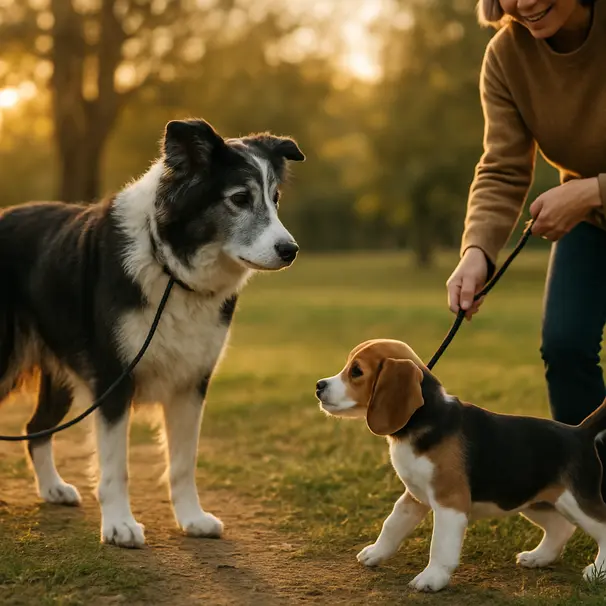
A neutral space can help avoid territorial responses from the older dog. If possible, meet at a quiet park, a friend’s yard, or a quiet side street.
Tips for the neutral meeting
- Meet on-leash but loose, not tense. Keep a relaxed grip and a friendly tone.
- Start a few yards apart and allow the dogs to sniff the air and see each other. Let curiosity lead, but be ready to move away if either shows stress.
- Praise calm behaviour with gentle treats or soft words. Don’t rush body contact.
- Keep the first encounters short, 5 to 10 minutes.
What to watch for
Signs of positive interest: loose body language, soft eyes, gentle sniffing. Signs of discomfort: stiff posture, pinned ears, growling, prolonged hard staring. If you see the latter, create distance and try again later.
Bringing the puppy home: staged introductions
Once the neutral meeting goes well, bring the puppy into the house while the older dog is in a calm environment. Staged introductions are kinder than instant free-for-all access.
Step-by-step home introduction
- Have both dogs on-leash at first. A helper holding one leash makes this easier.
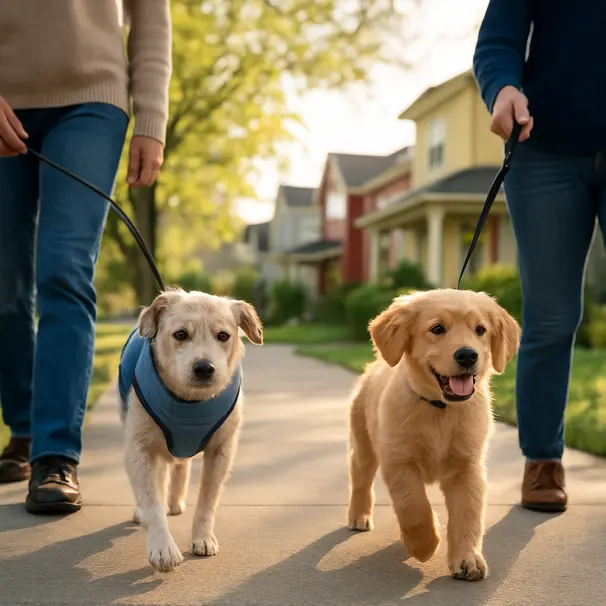
- Walk them in parallel around the house, a few feet apart. This lets them become familiar with each other’s scent in a low-pressure way.
- Allow brief, supervised sniffing sessions. Use praise and treats for calm interactions.
- After a few short meetings, let the older dog explore the puppy’s scent on toys and bedding while the puppy is safely contained.
- Gradually increase the time they spend together, always supervising until you’re confident they’re comfortable.
Protect the older dog’s retreat space
Make sure the older dog has an escape route and a quiet area the puppy can’t access. A raised bed, gated room, or crate with a sign on the door can signal to family members that the dog needs alone time.
Managing resources and rules from day one
Puppies learn fast. If you set clear rules and manage access to resources early, both dogs have a better chance of long-term harmony.
Feeding routines
Feed dogs separately, at least at first. Use different rooms or baby gates so the older dog doesn’t feel crowded. Gradually move to simultaneous feeding if both remain calm.
Toys and enrichment
Supervise toy sharing, especially with prized items. Teach a reliable drop or trade cue to the puppy so you can manage resource guarding before it becomes a habit. Give the older dog high-value chews or a quiet activity when the puppy is around.
Walking and attention
Keep one-on-one time with your older dog to reassure them they still have your attention. Schedule daily walks, grooming, and calm bonding sessions for the senior dog to prevent jealousy and maintain routine.
Boundaries and consistent rules
Decide which behaviours you’ll allow from the puppy and which you won’t. If jumping on furniture or the older dog isn’t okay, be consistent. Consistent rules across all family members and carers help both dogs learn faster.
Training and teaching social skills
Training builds confidence for both dogs. Puppies benefit from learning polite greetings and bite inhibition, while older dogs might need refreshers on giving space and re-engaging positively.
Useful cues to teach
- “Sit” and “Stay” for calmer greetings
- A reliable “Come” to interrupt escalating interactions
- “Leave it” and “Drop it” for resource control
- A trade cue, like “Give” or “Thank you,” to swap items safely
Short, frequent training sessions
Puppies have short attention spans. Keep training fun and brief, a few minutes multiple times a day. Reward calm behaviour and make learning positive. Older dogs benefit from short sessions too, and they often love showing the puppy how it’s done.
Socialisation for the puppy
Expose the puppy to a variety of people, places, and controlled dog encounters. That broad experience helps the puppy grow into a confident adult who reads social cues well. Keep those experiences positive and avoid overwhelming situations.
Playtime: match styles and supervise closely
Play is one of the best ways dogs bond, but play styles can differ by age, size, and personality.
Matching play styles
- Energy gap: Puppies may pester older dogs with nonstop play. Teach the puppy to play more gently.
- Size and strength: A large, enthusiastic puppy can accidentally hurt a small senior dog. Regulate play intensity.
- Signal reading: Older dogs often use calming signals or short verbal warnings. Teach the puppy to respond to these signals with a calm break.
When to step in
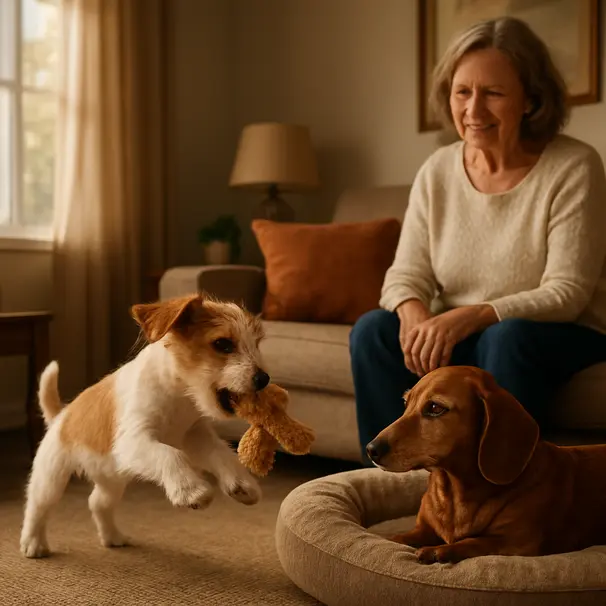
If play becomes one-sided, if the older dog seems overwhelmed, or if growling escalates to snapping, separate them calmly. Use distraction such as a toy toss, or call the puppy away for a short timeout.
Troubleshooting: common bumps and how to handle them
Some friction is normal. What matters is how you respond.
Puppy harassment: If the puppy constantly pesters the older dog, increase supervised downtime for the puppy and build more structured activities, like short walks and training sessions.
Resource guarding: If either dog guards bowls or toys, stop free access and feed separately. Teach trading and practice calm approaches near the guarded resource. If guarding continues or escalates, consult a trainer or behaviourist.
Growling and warning signs: Growls are communication. Respect warnings and create distance rather than punishing the older dog for growling. Punishment can suppress signals and lead to sudden bites later. Use management and gradual behaviour modification instead.
Regression: Older dogs sometimes show temporary changes in behaviour due to stress. Maintain routines, give extra affection, and consider a vet check if changes persist.
Knowing when to ask for professional help
If you see aggressive behaviour that includes lunging, repeated snapping, or if either dog shows persistent anxiety that doesn’t improve with management, get professional support. A certified dog trainer or behaviourist can observe interactions and create a tailored plan.
Safety-first tips when seeking help
- Choose a professional experienced with multi-dog households
- Ask for a plan that includes management, training, and realistic timelines
- Consider group classes after initial issues are under control, but only if both dogs are calm in class settings
A short checklist to get you started
- Prepare separate zones and duplicate supplies
- Arrange a neutral first meeting on-leash
- Stage home introductions with short supervised sessions
- Feed and reward in separate spaces at first
- Teach basic cues and resource-handling skills
- Supervise play and respect both dogs’ signals
- Keep daily one-on-one time with the older dog
- Be patient, consistent, and ready to ask for help if needed
Final thoughts: patience, consistency, and love
A peaceful multi-dog home doesn’t happen overnight. It takes careful planning, consistent rules, and a few setbacks. Celebrate small wins, like the first calm greeting or the first shared walk without tension. With time, many older dogs and puppies develop warm bonds that are rewarding for everyone.
If you have doubts about health or behaviour, consider a vet check or a session with a certified trainer. And remember, you’re giving both dogs a chance at companionship. That’s worth the effort.
Happy introductions, and if you need help finding trusted carers or trainers, platforms like Floofy can connect you with experienced people who understand multi-dog dynamics.