

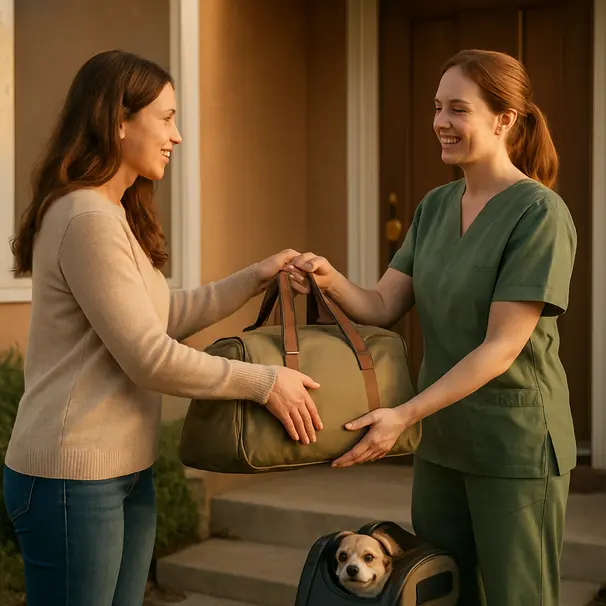
How to Prepare Your Pet and Pet Carer for Stress-Free Travel
Travel with pets can be joyful, messy, unpredictable, and deeply rewarding. Good planning helps turn the unpredictable into manageable. This guide walks pet owners and pet carers through simple, practical steps to reduce stress, build trust, and keep your furry friend comfortable from booking to homecoming.
Before You Book: Communication and First Steps
Start early. A calm trip begins with clear, friendly communication between the owner and the carer. Use the Floofy platform to exchange messages, but try to speak on the phone or meet in person before the first long trip.
- Share the basics. Breed, age, weight, medical needs, behavior quirks, and daily routines help carers prepare. Include any fears, triggers, or commands your pet knows.
- Photos and videos. Short clips of your pet in daily life, during walks, and while eating help a carer learn cues and energy levels quickly.
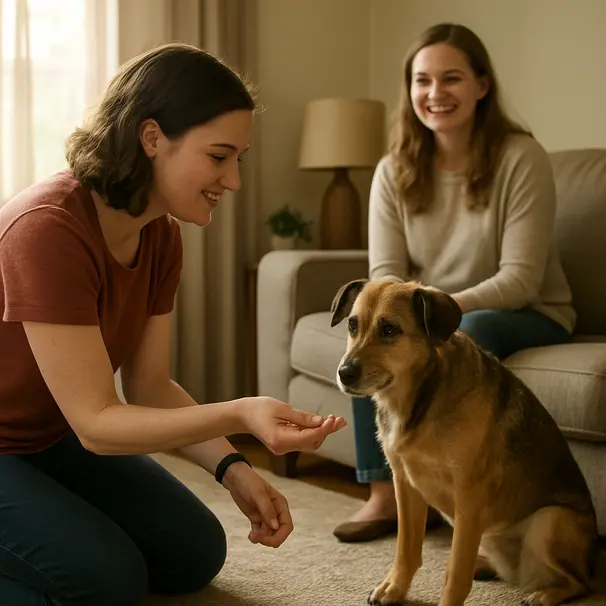
- Meet-and-greet. Arrange at least one short meet-up in a neutral space or at your home. Observe body language, let your pet approach at their pace, and see how the carer handles introductions.
A good meet-and-greet can reveal a lot. It builds rapport, and it allows the carer to ask practical questions about handling, leash skills, and calming techniques. If your pet is shy, consider several brief visits rather than one long introduction.
Documentation and Medical Prep
Clear paperwork avoids confusion. Even if you trust the carer completely, give them everything they need in one envelope or digital folder.
- Emergency contacts. Your vet, an emergency clinic near your home and near your travel route, and a local friend or family contact.
- Medical records. Vaccination history, allergies, ongoing medications, and recent illness notes. If your pet takes medication, include dosing instructions and a spare supply for the duration of travel.
- Consent and authorization. Written permission to seek veterinary care, and clarification about non-routine procedures like sedation or surgery.
If medications or injections are needed during travel, consider a vet visit to discuss options. A vet can advise on motion sickness remedies, anxiety management, and safe dosing. Use wording like “consider” and “may” when discussing medical options, and encourage carers to consult the vet before administering anything.
Preparing Your Pet: Practice, Comfort, and Carriers
Pets are creatures of habit. Gradual exposure makes travel feel familiar rather than frightening.
- Carrier and crate training. If your pet will be crated, leave the carrier out at home with bedding, treats, and toys. Encourage short naps inside. For dogs, short trips in the car help desensitize them to movement.
- Routine rehearsals. Try a few short practice trips that mimic the travel schedule, including bathroom breaks, quiet time, and feeding timing. This helps you spot motion sickness, anxiety, or logistical issues early.
- Comfort items. A blanket that smells like home, a favorite toy, or a worn T-shirt with your scent may calm an anxious pet. Seal them in a labeled bag so a carer can use them confidently.
- Feeding schedule. Avoid large meals right before travel. If your pet is prone to nausea, consider smaller, more frequent feedings and discuss appetite changes with a vet beforehand.
Consider GPS collars or ID tags, and make sure microchip information is up to date. A photo of your pet showing current markings, and a note of any distinguishing features, can speed up recovery if they get loose.
Practical Packing Checklist for Pet Owners
- Food and measured portions for every day of travel, plus a small extra supply.
- Medications with clear dosing schedule.
- Leash, harness, and spare collar or tag.
- Waste bags, litter and scoop for cats, and absorbent pads if needed.
- Vaccination records and signed authorization for vet care.
- Familiar bedding and toys.
- First aid basics such as gauze, tick remover, and contact numbers for emergency vets.
Label everything with your pet’s name and your contact details. Put instructions on a single page for easy reference.
Preparing the Pet Carer: Clarity, Access, and Expectations
Caring for someone else’s pet is a responsibility. Clear expectations help carers feel prepared and confident.
- Share routines. Exact times for feeding, walking lengths, favourite games, and rules about furniture make life predictable for the carer and the pet.
- House access. Explain alarm codes, keys, parking instructions, and any quirks like which doors jam when opened fast. If possible, provide a spare key and digital entry instructions.
- Payments and tips. Agree on payment, cancellation policies, and tipping preferences before travel.
- Communication frequency. Decide how often you’d like updates, photos, or short videos. Most owners find daily photo check-ins reassuring, but too many messages can interrupt a carer’s ability to manage travel logistics.
Encourage your carer to prepare a simple plan for common scenarios. For example, what constitutes a vet visit, who decides on emergency treatment, and which nearby clinic to use. A short written plan reduces hesitation and speeds up decision-making.
Travel Day Tips
The travel day itself is full of small choices that affect your pet’s stress levels.
- Calm departures. Pets pick up on your energy. A relaxed, steady routine helps. Keep goodbyes brief and upbeat to avoid building anxiety.
- Hydration and bathroom breaks. Keep water available and allow toilet breaks before long drives. For flights, follow airline recommendations for feeding and hydration timing.
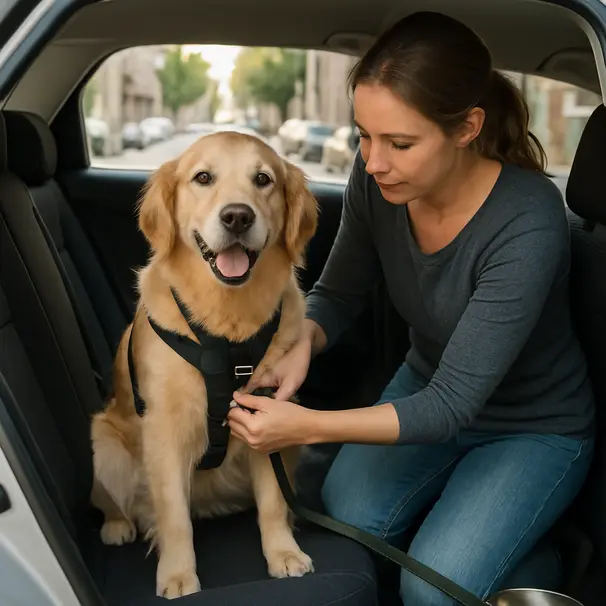
- Safe car setups. Use a crash-tested crate, a dog seat belt, or a barrier to prevent sudden movement. Never leave a pet unattended in a parked car, especially in warm conditions.
- Motion sickness. If your pet has shown symptoms before, plan for shorter legs, open windows for fresh air, and speak with a vet about safe remedies.
For cats, traveling in a quiet, enclosed carrier with a familiar blanket often works best. Covering the carrier with a light cloth can reduce visual stress. Offer small treats and calm reassurance when safe to do so.
Airports, Flights, and Public Transit
Flying or using public transit adds complexity. Each mode of travel has rules and stressors.
- Research early. Check airline or transit policies, carrier size rules, and required paperwork. Some airlines require health certificates issued within a short time window before travel.
- Choose the right carrier. Soft-sided carriers can fit under seats. Hard crates may be required for cargo. A crate with good ventilation and secure latches is essential.
- Gate checks and cabin trips. If your pet is allowed in-cabin, a quiet, dim environment and low traffic times are ideal. Consider a window seat near the front for easier bathroom access when possible.
- Arrival rhythm. Allow time for your pet to decompress after landing, with a quiet space, water, and a brief walk if possible.
If your pet shows signs of extreme stress, consider postponing the trip. A calm, safe animal is a better travel companion than a hurried one.
Managing Separation Anxiety
Some pets show separation anxiety more acutely during travel. There are ways to ease the transition.
- Short separations first. Practice leaving your pet for increasing intervals while a trusted carer stays nearby. Positive reinforcement for calm behavior helps.
- Enrichment. Puzzle toys, treat-dispensing feeders, and safe chew toys can keep pets occupied while you’re away.
- Calming tools. Consider wraps, pheromone sprays, or soothing audio. These can help but may not eliminate anxiety. If your pet struggles with severe separation anxiety, consult a behaviorist or your vet.
Give your carer permission to use enrichment and calming strategies, and include guidance on what your pet responds to best.
Overnight Stays and Home Care Alternatives
Sometimes pets travel with you, and sometimes they stay home with a carer. Both options can be positive if planned.
- Home stays. Many pets do best remaining in their own environment. A trusted carer living in or visiting daily can keep routines stable.
- Boarding. If boarding is unavoidable, choose a facility with strong references, transparent staff-to-pet ratios, and clear health protocols.
- Hybrid options. Some carers will do short stays in your home or bring your pet to their home for a limited period. Discuss the environment, other animals in the home, and sleeping arrangements.
Whenever possible, do a trial run with any new arrangement. A single overnight stay before a long trip can highlight issues without major consequences.
After Travel: Reunions and Recovery
Coming home is a process. Your pet may be excited, relief-filled, or need time to reset.
- Gentle re-entry. Keep routines familiar. Offer a calm greeting and allow your pet a quiet space to readjust.
- Debrief with the carer. Ask for detailed notes about any unusual behaviors, bathroom incidents, or medication issues. Honest feedback helps you tweak future plans.
- Health check. Watch appetite, energy, and bathroom habits for a few days. If anything seems off, consider contacting your vet.

Troubleshooting Common Problems
- Escape artists. If your pet slipped out, call your carer, neighbors, and local shelters. Check microchip registration. Keep photos handy for a quick share.
- Missed meds. If medication was missed, check the instructions. Some medicines can be doubled later, others should never be. Contact your vet immediately if you are unsure.
- Overstimulation. If your pet seems exhausted or overly clingy after travel, give them low-key time and predictable care.
Having a clear plan for common problems makes everyone calmer in the moment.
Final Checklist for a Stress-Free Trip
- Meet-and-greet completed, and carer has emergency contacts.
- Medical records, medication, and authorizations packed.
- Carrier and crate training done, with practice trips completed.
- Clear feeding and walking schedules shared.
- Enrichment items and comfort bedding labeled and packed.
- Payment, cancellation, and communication expectations agreed upon.
Travel with a pet is an act of trust. The more you prepare, the more your pet and their carer can relax, enjoy the trip, and build a strong partnership. Small, thoughtful steps make a big difference, and a little practice today can mean many smooth, happy journeys tomorrow.
If you have any specific travel plans coming up, consider running through this checklist with your chosen carer. A quick prep session can ease nerves and create a safer, sweeter trip for everyone.