

Introduction
Leaving a pet for the first time can feel like a small voyage for you and a big one for them. Choosing a trusted pet carer helps, but a little preparation goes a long way toward making the experience calm and even enjoyable. This guide walks through practical steps you can take in the days and weeks before boarding, how to pack, what to tell the carer, and simple strategies to help your pet settle in quickly.
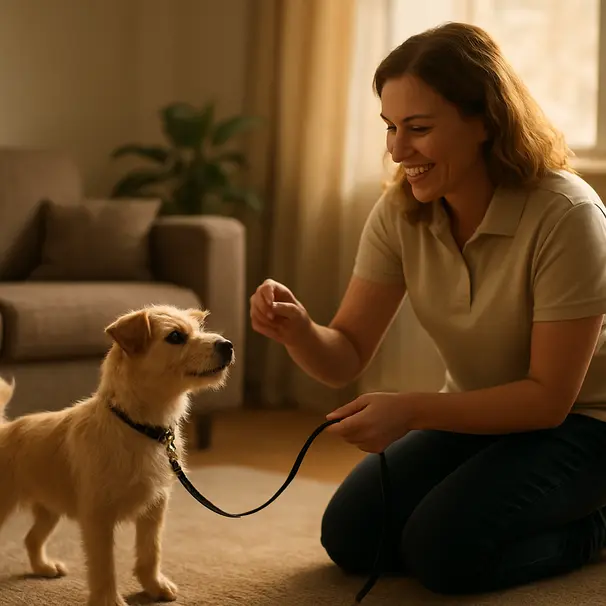
A calm meet-and-greet between carer and a cautious dog.
Start with the right carer and a good plan
Pick a carer with clear reviews, a profile that shows experience with your pet’s breed or needs, and open communication. A quick phone call, a read-through of references, and a look at photos of the carer’s home or setup can tell you a lot. If your pet has special needs, ask for a written plan that covers feeding, exercise, medication, and emergency procedures.
Arrange a meet-and-greet before the actual boarding day. Meeting in a neutral spot or at your home lets the carer and your pet get acquainted without the pressure of immediate handover. Pay attention to how the carer interacts with your pet and how your pet responds to them. Trust your instincts; if something feels off, keep looking.
Questions to ask the carer
- What is your routine for feeding, exercise, and bathroom breaks?
- How do you handle emergencies and vet visits?
- Have you cared for pets with similar energy levels or medical needs?
- Can I see the space where my pet will sleep and play?
- How will you send updates and photos while I’m away?
Get your pet comfortable with basic skills
Simple manners and routines can be surprisingly helpful. If your dog is comfortable on a leash and responds to a couple of commands, it makes walks safer and smoother. For cats, being comfortable with a carrier and a carrier-positive routine can reduce stress dramatically.
Practice short mock routines that mimic the boarding schedule. If the carer will feed meals at 7 a.m. and 6 p.m., start shifting your pet’s feeding times gradually so they’re used to that rhythm. If walks will happen mid-morning, take a few walks at that time to build familiarity.
Socialization and handling
If your pet will be around other animals, gently reinforce positive social behavior. Short, controlled introductions to other calm dogs or cats can help, but avoid overexposing a shy or anxious pet. Work with treats, calm praise, and brief sessions. Handling practice—touching paws, ears, and grooming areas—also helps, especially for pets who need medication or extra care.
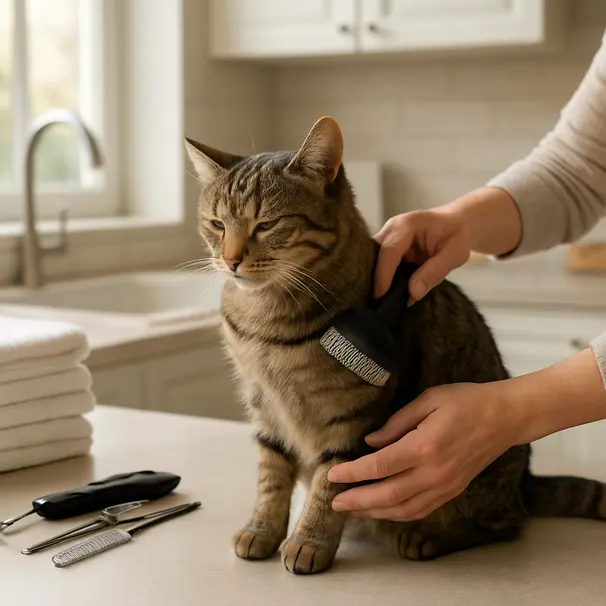
A grooming moment helps pets feel comfortable and clean.
Health, paperwork, and vet preparation
Health checks and paperwork are a normal, important part of boarding. Most trusted carers ask for proof of vaccinations and a recent wellness check. This protects your pet and other animals in the carer’s care. If your pet has ongoing medical conditions, provide clear written instructions and medication schedules.
Consider getting a brief note from your vet that lists current medications, dosages, and any known conditions or allergies. This can help the carer make quick, informed decisions in an emergency. Remember to ask your vet for any tips to reduce travel or separation stress; they may suggest behavioral strategies rather than medications, or recommend resources for anxious pets.
What to include in paperwork
- Contact information for you and an emergency contact who is local
- Your pet’s vet contact and preferred emergency clinic
- Vaccination records and any recent test results
- Detailed feeding and medication instructions
- Known triggers, likes, dislikes, and calming cues
Packing list: what to bring and what to leave
Think of packing from your pet’s perspective. Familiar scents, favorite toys, and a beloved blanket can provide comfort. At the same time, you may want to limit highly valuable or irreplaceable items. If your pet is a serial toy destroyer, replace torn toys before leaving rather than risk a swallowed stuffing incident.
Suggested items to pack
- Food measured into meal portions or a clear feeding schedule
- Medications in labeled containers with instructions
- Comfort items: blanket, bed, or a worn T-shirt with your scent
- Favorite toys and a couple of backup options
- Collar with ID tag, harness, and leash
- Copy of vaccination records and vet information
- Emergency contact sheet and any special handling notes
Label everything. Use a waterproof label or permanent marker on bowls, medication bottles, and any containers. It helps prevent confusion and shows the carer you’ve thought things through.

A playful afternoon walk keeps energy levels balanced.
Handover day: calm, clear, and confident
On handover day, aim for a calm departure. Pets sense anxiety, so keep your own goodbye brief and steady. Let the carer take the lead in the final minutes; watching your pet leave with the carer helps you see their interaction and gives you peace of mind.
Walk through the routine
Show the carer where everything is kept and walk through the routine one more time. Demonstrate feeding amounts if needed, and point out any quirks like a paw that needs extra checking. If your pet has a favorite calming phrase or cue—like “bedtime” or “settle”—teach it to the carer so they can use consistent language.
Agree on how often you’ll receive updates. Some owners want daily photos, others prefer a short message every couple of days. Honest expectations prevent worry and create a friendly rhythm with the carer.
Settling-in strategies and separation support
Most pets settle faster than owners expect, but a few find the first day hard. Your carer can use several gentle strategies to help.
Comfort, enrichment, and routine
- Maintain routine: same mealtimes and walk times if possible.
- Use familiar items: the carer can place your pet’s blanket where they sleep to keep your scent close.
- Short, frequent interaction: breaks for pats and play help shy pets build trust.
- Enrichment: puzzle feeders and chew toys keep minds busy and reduce stress.
If your pet shows strong signs of stress—pacing, excessive vocalizing, or refusal to eat—ask the carer to try known calming tactics first, like gentle play, extra walks, or a quiet cuddle spot. If stress continues, suggest consulting your vet for further advice. Use language like “consider contacting the vet” or “may benefit from professional guidance” rather than definitive medical claims.
Special situations: medications, seniors, and multi-pet households
Medication routines are one of the most important parts of boarding. Provide clear instructions and, if possible, a short demonstration. Use a pill organizer or labeled bottles to simplify the process. If your pet is on time-sensitive medication, discuss contingency plans in case the carer notices missed doses.
Seniors may need more frequent bathroom breaks and gentler handling. Mention any arthritis, vision, or hearing changes up front, and include simple notes about mobility aids or preferred resting positions. For multi-pet households, explain relationships clearly. Does one pet follow the other everywhere? Is there a tendency to guard food? Clear notes prevent surprises.
Keeping communication kind and useful
Friendly, clear communication helps everything run smoothly. If something needs to change while you’re away, agree in advance on how decisions should be made. Can the carer spend a little extra on a vet visit without calling? Is there a spending limit you’re comfortable with? Setting boundaries in writing avoids awkward moments later.
Ask for at least one photo within the first 24 hours. Seeing your pet relaxed or playing is usually the best reassurance. Short updates—two or three sentences with a photo—work better than long, infrequent messages because they show the pet’s mood over time.
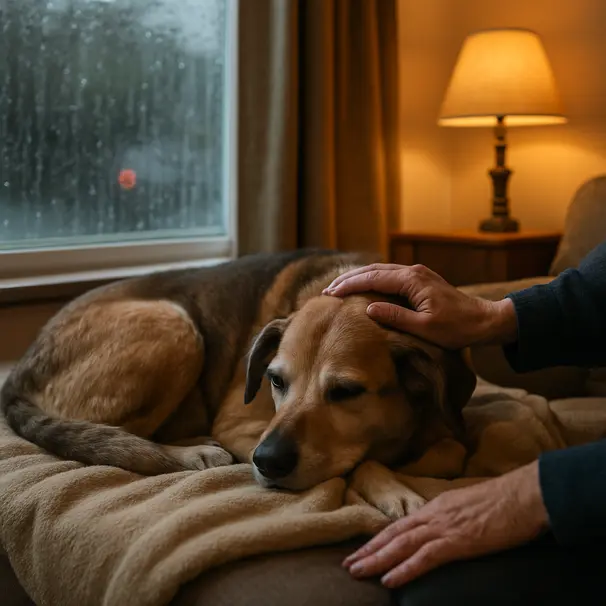
A quiet evening cuddle comforts pets after a stay.
Pick-up day and settling back at home
When you arrive to pick up your pet, be patient. Your pet might be excited, confused, or a little tired. Let the carer give a quick summary of the stay: what your pet ate, activity levels, any funny moments, and anything to watch for in the first 24 hours. If your pet was given medication or had any small health concerns, confirm what happened and whether a vet visit is recommended.
Re-introduce routines slowly at home. If your pet was fed at slightly different times, ease them back into your schedule. Give a familiar toy or blanket a special spot and spend quiet time together. Watch for signs of stress or digestive upset, and consider a short walk or low-key play session to help burn off travel adrenaline.
Final checklist before you go
- Book a meet-and-greet with the carer and confirm dates
- Schedule a vet check if your pet hasn’t had one recently
- Prepare written care instructions and emergency contacts
- Pack familiar bedding, toys, food, and medication
- Label everything and include clear feeding portions
- Agree on communication frequency and photo updates
- Leave clear permissions for vet care and any spending limits
Parting thoughts
Boarding with a trusted pet carer can be a wonderful arrangement for pets and owners alike. A little planning, clear communication, and gentle practice make transitions smoother. Remember, your calm energy helps too. Trust the carer you’ve chosen, give your pet a few comfort items, and try a short trial stay if you can. You’ll often return to a relaxed, happy pet and a few new photos to brighten your trip home.
If you ever feel unsure, ask the carer for feedback, request more frequent updates, or schedule a follow-up meet. Good relationships between owners and carers grow from small details and thoughtful moments. With clear instructions and a loving mindset, your pet can have a safe, comfortable, and even joyful boarding experience.