

A calm start: why preparation matters
Leaving your pet in someone else’s care can tug at your heartstrings. A little planning, however, can make the separation gentler for both you and your companion. Thoughtful preparation helps your pet understand the temporary change, reduces stress, and gives your chosen carer the tools to meet your pet’s needs with confidence.
Before you book: choose the right carer
- Look for carers with clear profiles, references, and photos of live interactions with pets.
- Ask about experience with your pet’s age, size, and temperament.
- Check that they have a safe home environment, fenced yard if needed, or suitable indoor space.
- Find out their rules around vet care, emergencies, and daily updates.
A short phone or video call can say more than a dozen messages. Pay attention to how the carer speaks about animals. Do they sound warm and observant? That tone often translates into better day-to-day care.
Paperwork and health details you should prepare
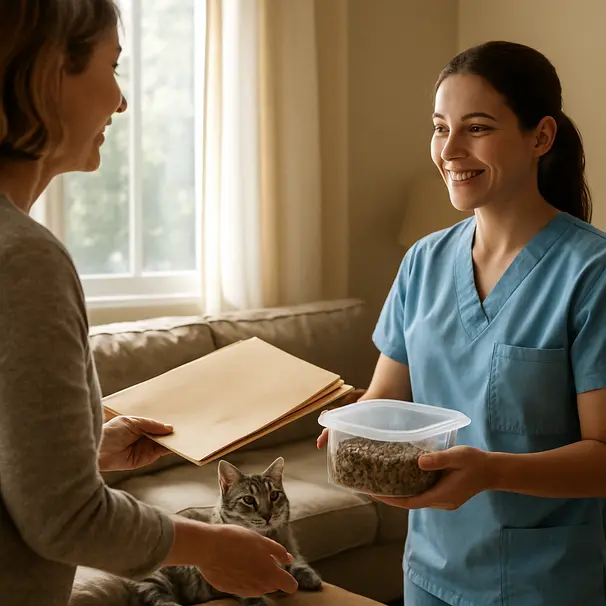
Create a clear, consolidated packet of information for your carer. This reduces guesswork and helps the carer act quickly if something comes up.
- Emergency contacts: your phone, a local emergency contact, and your regular vet’s number.
- Medical history: recent vaccines, chronic conditions, allergies, and any behavioural notes.
- Medication instructions: dosage, timing, how you give meds, and any observed side effects.
- Feeding plan: brand, amount, frequency, mixing instructions, and treats allowed.
- Comfort cues: your pet’s calming signals, favourite phrases, and known triggers.
Consider leaving printed copies and digital scans. Label everything—treat jars, medicine boxes, and spare collars. This small step can prevent mix-ups.
Health and medications: practical tips
If your pet needs medication, do a trial run at home some days before boarding. That way you can confirm the correct dosing, check for side effects, and show the carer the routine.
- Pack extra medication beyond your planned stay, just in case.
- Include clear written instructions and photos of how you administer meds if it’s fiddly.
- Supply the exact food you feed at home for consistency. Sudden diet changes can cause tummy troubles.
If your pet has a condition that might need vet attention, discuss how your carer should proceed. You may want to authorize a specific clinic in writing, or ask the carer to consult you first for non-urgent matters. For anything uncertain, consider consulting your vet before travel.
Packing list: what to bring and why
Think of the items that carry your pet’s scent and routine. Familiar things reassure pets and give carers cues about your pet’s preferences.
Essentials:
- Two to three days’ worth of food in airtight containers.
- Any medication plus a clearly labeled dose schedule.
- A favourite bed or blanket that smells like home.
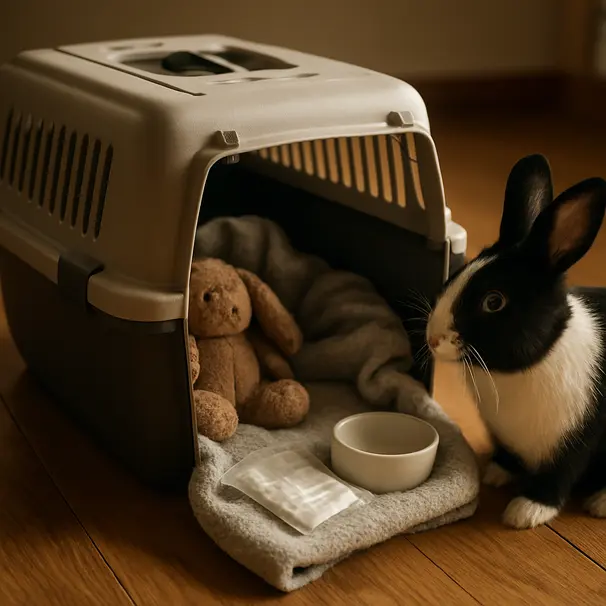
- A handful of favourite toys, including one comfort toy for bedtime.
- Leash, harness, and a spare collar with ID tags.
- Copies of medical records and contact information.
Nice-to-haves:
- A t-shirt you’ve worn for a night or two, folded into the bed.
- A list of commands or cues your pet knows, written simply.
- A recent photo for identification.
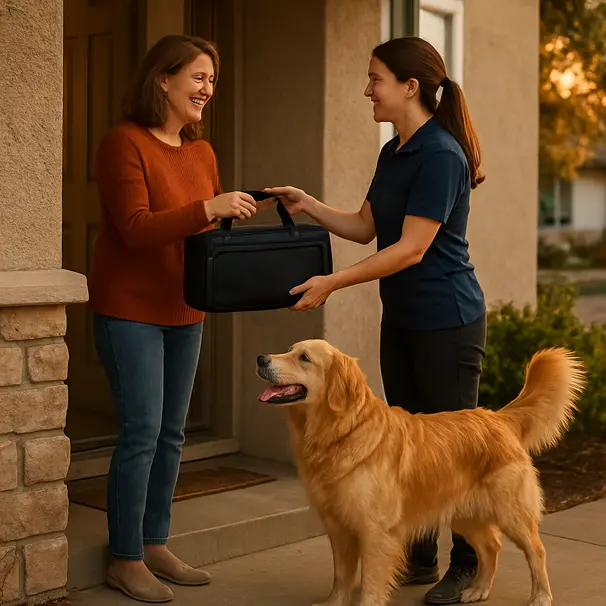
Pack everything in a single tote or box labeled with your pet’s name. That makes drop-off breezier and keeps things organized at the carer’s home.
Routines and rhythms: keep things predictable
Pets thrive on predictability. Share your pet’s daily rhythm with the carer so they can mirror it closely.
- Wake-up and bedtime times
- Walk schedules and preferred routes
- Meal times and snack rules
- Play preferences and rest periods
If your pet uses a crate or specific sleeping spot, explain how you use it and why. Let the carer know any off-limits furniture or surfaces. The goal is to minimize surprises by keeping the pattern familiar.
Introductions matter: arrange a meet-and-greet
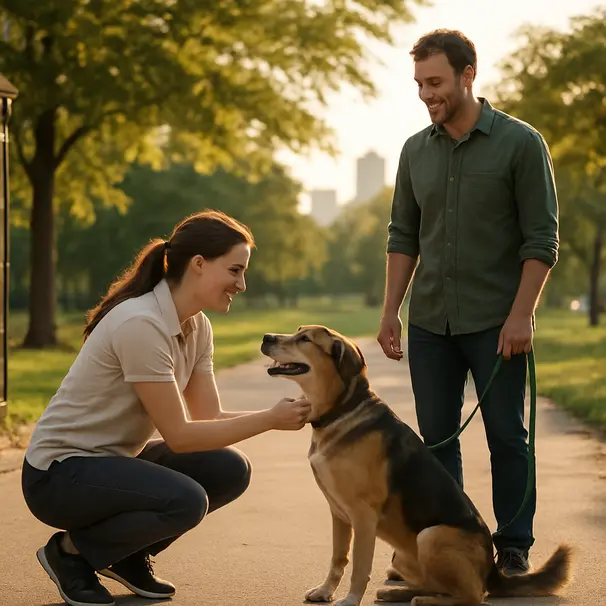
A short, low-pressure meet-and-greet is one of the best investments you can make. It lets your pet sniff out the carer, helps you observe their interaction, and gives both of you a chance to ask questions in person.
Tips for a smooth meeting:
- Keep the first meeting short, 15–30 minutes.
- Bring a familiar toy or treat to create positive associations.
- Allow the pet to approach the carer, rather than forcing contact.
- Watch your pet’s body language and discuss any signals with the carer.
Use this time to show the carer how you give treats, how your pet likes to be stroked, and any commands your pet follows reliably. If your pet takes time to warm up, set expectations for a gradual introduction.
Drop-off day: calm, clear, and confident
On the day you leave, your mood matters. Pets often pick up on anxiety, so try to be calm and brief.
- Stick to the normal routine as much as possible.
- Leave with a cheerful, matter-of-fact goodbye, not a long dramatic exit.
- Give the carer the packed items, paperwork, and any door codes.
- Ask about check-in frequency and the best way to share photos or messages.
If your pet seems anxious, let the carer know what soothes them. Some pets do better with a short cuddle before leaving, others prefer a quick, positive treat and immediate exit.
Handling separation anxiety: gentle strategies
Some pets experience separation stress. A skilled carer can help ease this with predictable care and comforting rituals.
Ideas that can help:
- Gradual departures before the boarding period, like leaving the pet alone for slightly longer intervals.
- Background noise such as a radio or soft music to simulate normal household sounds.
- Puzzle feeders or long-lasting chews for mental engagement.
- Short, frequent updates from the carer to reassure you are doing fine.
If your pet has severe anxiety, talk to your vet before the stay. They can suggest behavioral approaches that may be used alongside the carer’s efforts.
Enrichment while boarding: fun that reduces stress
A tired pet is a happier pet. Ask the carer how they plan to keep your pet enriched and active.
- Walks adjusted to your pet’s energy level
- Play sessions tailored to their temperament
- Quiet cuddle time for lap dogs or cats that enjoy being held
- Puzzle toys or scent games to engage a curious mind
A carer who can describe a typical day, including enrichment activities, is often a great fit. It shows they think beyond just feeding and walking.
Safety and emergency planning for carers
Talk through safety measures so both sides are clear on expectations.
- Where are the first-aid kit and emergency contacts kept?
- Who will the carer call if your pet needs urgent veterinary care?
- Are there specific behaviors that would trigger an immediate vet visit?
Agree on how costs and decisions will be handled. Clear, upfront conversation prevents stress later.
Tips for pet carers: building trust with new pets
If you’re a carer, your job includes reading the pet and the owner quickly and kindly. Some practical pointers:
- Ask owners for a short written cheat-sheet of the pet’s habits.
- Demonstrate how you administer medications and ask to observe one practice run.
- Keep daily notes about meals, walks, and bathroom habits to share with the owner.
- Respect the owner’s routines while gently guiding small, safe changes if needed.
Photos and short updates go a long way. They reassure owners and create a record of good care.
Returning home: a gentle reunion
When you pick up your pet, expect mixed emotions. Your pet may be excited, subdued, or a little bewildered.
- Take a few minutes to check their condition calmly: coat, appetite, behavior.
- Ask the carer about any changes in mood, appetite, or bathroom habits.
- Reinstate your usual routine gradually to help your pet re-adjust.
If your pet picked up a new trick or behavior, celebrate it. If they seem off—less playful or eating poorly—monitor them and consider a vet check if symptoms persist.
A short checklist before you leave
- Confirm booking and arrival time with the carer.
- Pack food, medication, toys, bed, and paperwork.
- Run a medication trial and brief the carer.
- Schedule a meet-and-greet.
- Leave emergency contacts and vet information.
- Agree on daily updates and photo check-ins.
Final thoughts: teamwork makes it easier
Boarding with a trusted pet carer can be a positive experience for everyone. Preparation, clear communication, and attention to your pet’s comfort go a long way. Think of it as creating a mini home-away-from-home. When owners and carers collaborate openly, pets feel safer, owners feel calmer, and carers can do their best work.
You’re not only arranging care, you’re building a little community of people who love your pet nearly as much as you do. With the right prep, you can travel knowing your companion is in thoughtful, capable hands.