


How to Prepare Your Pet for Travel and Arrange a Pet Carer
Travel is exciting, but leaving your pet or taking them along can be a little nerve-racking. This guide is a friendly roadmap for pet owners and pet carers. You’ll find practical steps, gentle training tips, checklists, and ways to make a handover feel calm and confident for everyone involved.
Start with a realistic plan
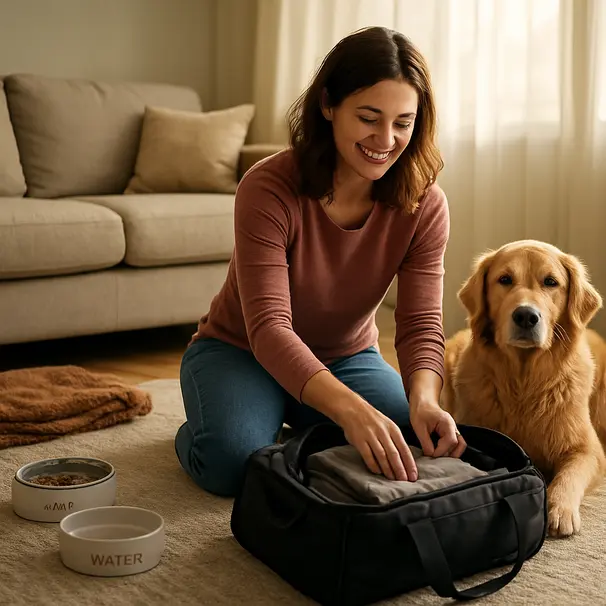
Set expectations early. Think about whether your pet will come with you, or if a trusted carer or sitter is a better fit. Consider trip length, accommodation, transport mode, and your pet’s temperament. Some pets travel well in cars but stress on planes, while others prefer staying home with a familiar routine.
Create a timeline. For trips longer than a weekend, start planning at least four to six weeks in advance. Short notice travel calls for faster decisions, but even then, a calm approach helps.
Vet visit and paperwork
Book a vet check a few weeks before travel or handover to a carer. Routine health checks, medication reviews, and any vaccinations you may need for travel or boarding should be handled early. Use gentle wording when discussing health with your vet, for example, say a checkup can help identify any travel concerns.
If you’re travelling across regions or borders, check the animal health certificate requirements and microchip standards. Airlines, ferries, and hotels may each have different rules. Keep copies of medical records, vaccination history, and emergency contacts in both digital and printed form.
Always consider consulting your vet about anxiety management. They can suggest strategies or medications that may help, and explain potential side effects. If a vet suggests medication, try it at home first to see how your pet reacts.
Travel training and acclimation
Start short practice sessions so your pet gets used to travel gear and routines.
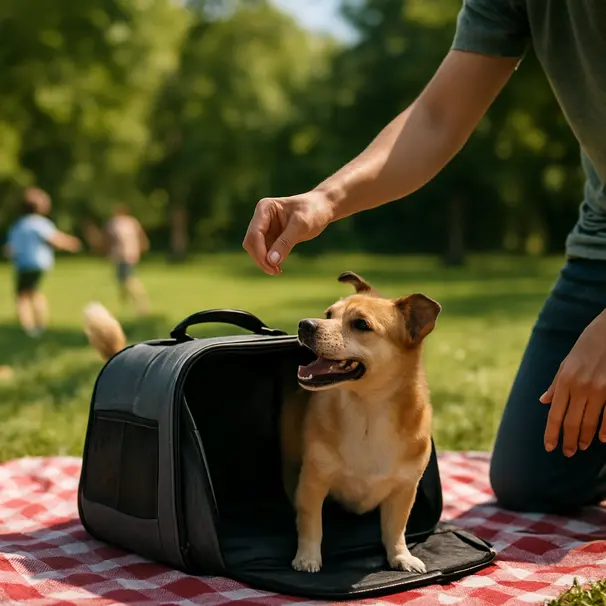
- Crate or carrier training: Introduce the crate as a cozy den, not a place of punishment. Feed meals in the crate, add favorite toys, and practice short, calm sessions. Gradually increase time spent inside.
- Car rides: Take brief trips to positive places, like a park or favorite friend’s house. Pair rides with treats and praise. If your pet becomes anxious, shorten the trip and build up slowly.
- Harnesses and seat restraints: Practice wearing a travel harness around the house. Make sure it fits properly and doesn’t rub.
For cats, add vertical and horizontal surfaces in training. A carrier lined with soft bedding and a familiar-smelling towel can help. Some cats respond well to pheromone sprays or calming collars, which may help reduce stress during travel.
Packing checklist for pets
Pack thoughtfully, and keep everything organized in a single travel bag for your pet.
- Food and bowls: Bring the usual brand and enough for the trip plus a small extra supply.
- Medications and instructions: Clearly label medications and include dosing times. Leave a note with the carer on what to do if a dose is missed.
- Comfort items: Favorite blanket, toy, or an item that smells like home.
- Bedding and crate: A familiar bed or crate helps pets settle into new spaces.
- Grooming essentials: Brush, comb, and a small towel.
- Waste supplies: Poop bags, litter, liners, and a scoop for cats.
- Paperwork: Medical records, vaccination certificates, microchip number, emergency contacts, and a signed permission note for vet care if someone else is caring for your pet.
Label everything with your name and phone number. If you’re using a pet carer, share a packing checklist in advance so they know where items are and how to use them.
Choosing the right pet carer
A good carer is more than someone who feeds and walks a pet. Look for warmth, reliability, and clear communication.
- Vet references and platform reviews: Read reviews and ask about experience with your pet’s breed or species. A carer experienced with anxious pets or certain medical needs can help when needed.
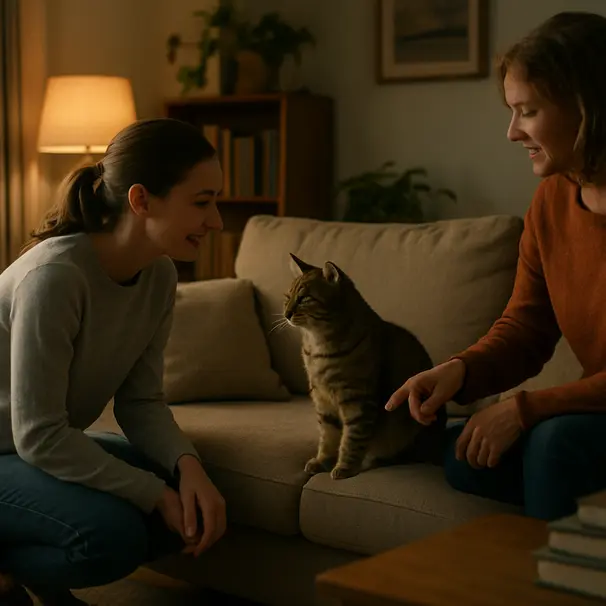
- Meet-and-greets: Arrange an in-person meeting before the trip. Observe how the carer interacts with your pet, whether they offer gentle guidance, and how the pet responds.
- Ask practical questions: What happens if my pet needs a vet? Who else will be in the house? How often will you send updates? Will they use a harness on walks?
- Trial visits: Book a short trial day or overnight stay before the full trip. This gives your pet time to adjust and lets you see how the carer manages routines.
Trust your gut. If someone seems hurried or dismissive, keep looking. The best carers connect with pets and owners in a calm, respectful way.
Onboarding your chosen carer
Once you’ve picked a carer, set them up for success with a clear, friendly information pack.
Include:
- Daily routine: Feeding times, walk lengths, playtime preferences, and sleep spots.
- Behavior notes: How your pet communicates stress or joy, any triggers, and calming cues.
- Emergency protocol: Preferred vet, nearest 24-hour clinic, and your backup contact. If you’re comfortable, give permission for emergency medical care and specify budget limits.
- Home details: Where food is stored, where litter is kept, and how to secure doors and windows.
Make a quick demo. Show where things are and how you usually do walks or litter maintenance. A ten-minute walkthrough in your home can clear up a lot of small questions.
Preparing your home and routines
If your pet stays at home with a carer, keep the environment familiar.
- Keep routines steady: Try to maintain the same feeding and walking schedule you use. Pets thrive on predictability.
- Leave safe spaces: A quiet room, crate, or perch where your pet can retreat is important.
- Limit access gradually: If the carer will have different boundaries, introduce those rules gently before you leave.
For cats and small animals, leave enrichment activities visible. Puzzle feeders, window perches, and hiding toys help keep them occupied and reduce stress.
Day-of handover tips
A calm handover sets the tone. Plan at least 20 to 30 minutes for a final walkthrough.
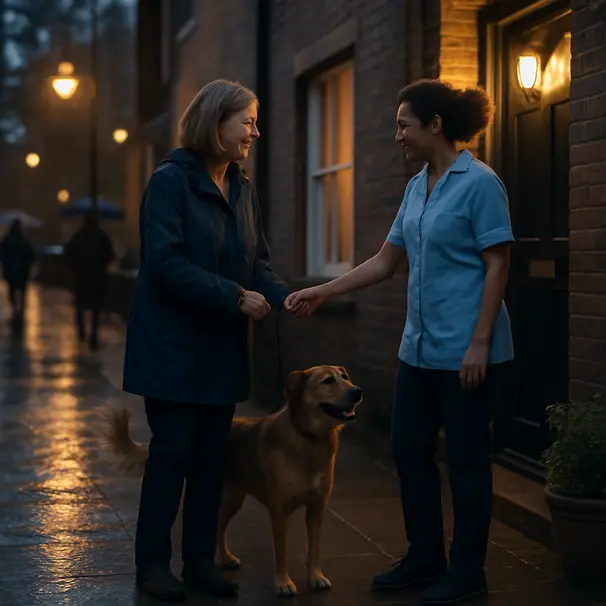
- Walk together: If possible, take one last short walk with the carer so your dog meets them while doing something familiar.
- Show routines in action: Feed a small portion, demonstrate crate closing, or point out the vet kit location.
- Share a goodbye ritual: A calm hug, a favorite phrase, or a lingering pat helps your pet know you’re leaving but will return.
- Communication expectations: Tell the carer how often you’d like updates, whether photos or short videos are helpful, and what time zone limits apply if you’re away.
If flying or driving with your pet, confirm logistics: arrival times, gate checks, and any paperwork needed. Keep your pet’s leash, collar, and ID tags on until securely inside a carrier.
Special considerations for different pets
Dogs: Active dogs may need extra exercise. Arrange longer walks or play sessions. If you use a dog walker, coordinate arrival windows.
Cats: Cats often prefer staying home. A carer who visits several times a day might be ideal. Keep their litter and food in familiar spots.
Small mammals and birds: These pets may have sensitive routines. Write clear feeding and cleaning instructions, and label medications carefully.
Senior or special-needs pets: If your pet has chronic conditions, include detailed notes, pictures of medications, and a flowchart of steps for common issues. A trial stay and extra check-ins can help you feel secure.
Returning home and settling in
Give your pet time to readjust. You might notice extra clinginess, quietness, or bursting energy. Reintroduce familiar walks and quiet cuddle time. If you used a carer, thank them and request a short debrief. Ask what went well and if anything changed while you were away.
If your pet seems off, consider a vet check, especially after long travel or if there was a change in behavior or appetite. Use gentle language like, “I noticed X can help with reassurance,” and consult your vet.
Quick checklist to print
- Vet check booked, records copied
- Travel crate/carrier trained
- Pet travel bag packed and labeled
- Meet-and-greet with carer completed
- Emergency contacts and vet authorization given
- Trial stay or day visit completed
- Handover walkthrough scheduled
Parting tips for pet carers
If you care for other people’s pets, clear communication wins. Send quick updates, maintain routines, and respect the owner’s instructions. Keep a small bag with the pet’s essentials, and always confirm emergency plans. Building trust leads to repeat bookings and happy pets.
Final thoughts
Travel and pet care require planning, patience, and a little compassion. A thoughtful approach eases stress for pets, owners, and carers alike. With the right preparation and a trusted carer, you can enjoy your trip knowing your pet is in good hands.
Thank you for reading. If you’re a pet owner or carer on Floofy, leave a note for others about a small trick that made your last handover smoother. Those little tips really help.