

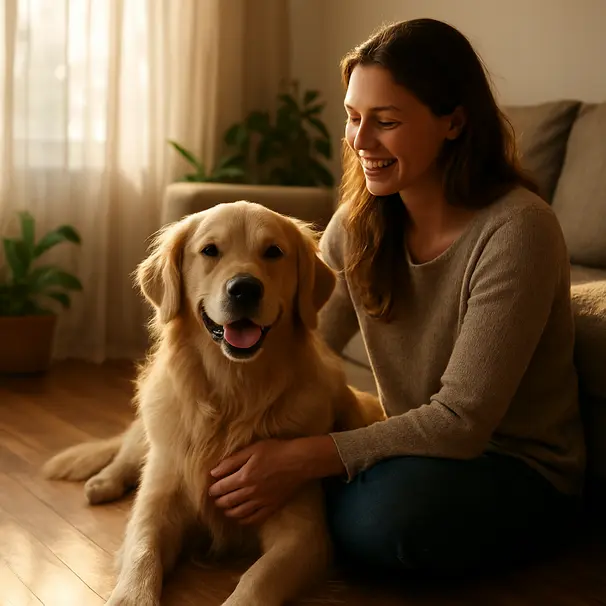
How to Read Your Dog’s Body Language and Communication Signals
Understanding your dog’s body language is like learning a warm, fuzzy dialect. Dogs don’t have words for everything, so they use posture, eyes, ears, tails, vocal sounds, and small behaviors to tell us how they feel. The better you get at reading these signals, the easier it is to meet your dog where they are, prevent misunderstandings, and build a trusting relationship.
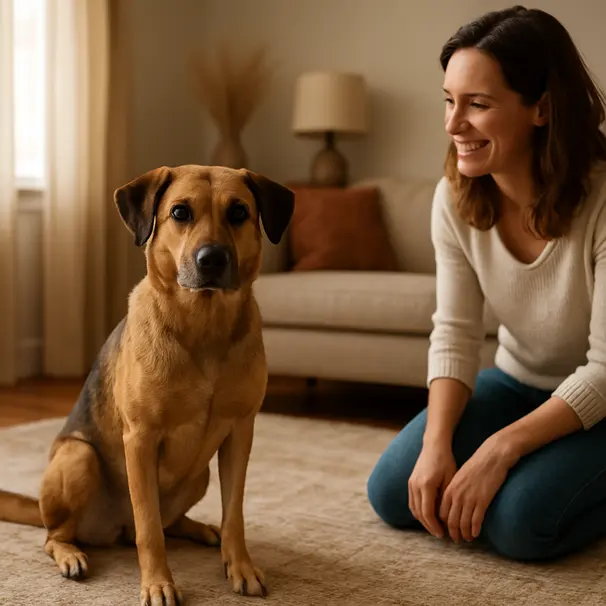
Start with the whole picture
Dogs communicate with their entire body. A tail wag alone doesn’t tell the whole story. You have to look at the whole dog: is their body tense or loose, are they leaning in or backing away, where are their eyes focused? Context matters too. A wag in a busy dog park feels different from a wag when a stranger reaches into your porch.
- Scan posture from head to tail
- Note the environment and recent events
- Watch for clusters of signals, not single cues
Face and eyes: windows into mood
Eyes and face give strong clues. Soft, relaxed eyes and a slightly open mouth often mean comfort. Hard stares, whale eye, or rapid blinking can mean stress or confusion.
- Soft eyes, relaxed mouth: calm and approachable
- Hard stare: focused, may be warning or intense interest
- Whale eye (showing the whites): discomfort or anxiety
- Rapid blinking or squinting: may indicate stress or pain
If you see sudden changes in eye behavior or your dog avoids eye contact, consider whether something in the environment changed or they might be uncomfortable.
Ears and head position
Ears are very expressive, but shape and position vary by breed. Still, you can detect differences:
- Forward ears: alert, curious, or confident
- Ears flattened or pinned back: fear, submission, or discomfort
- Head tilted: curiosity or trying to understand a novel sound
If your dog holds their head low and ears back near a stranger, give them space and approach with patience.

Tail language: more than wagging
Tails tell stories, but they’re subtle. Pay attention to height, speed, and whole-body signals.
- High, stiff tail: alert or confident, possibly aroused
- Mid-level, loose wag: friendly interest
- Low or tucked tail: fear or submission
- Fast wag with relaxed body: happy or excited
A high, stiff tail with tension in the body can be a sign of a dog who is ready to escalate. Don’t assume every wag means welcome.
Posture and body weight
Look at whether the dog is leaning in or backing away. Weight shifted forward with a stiff body can indicate approach or challenge. Crouching, freezing, or turning away are signs of stress or de-escalation.
- Play bow (front lowered, rear up): invitation to play
- Stiff, frozen posture: caution, possible threat
- Crouched, lowered body: fear or submission
Vocalizations: what sounds can mean
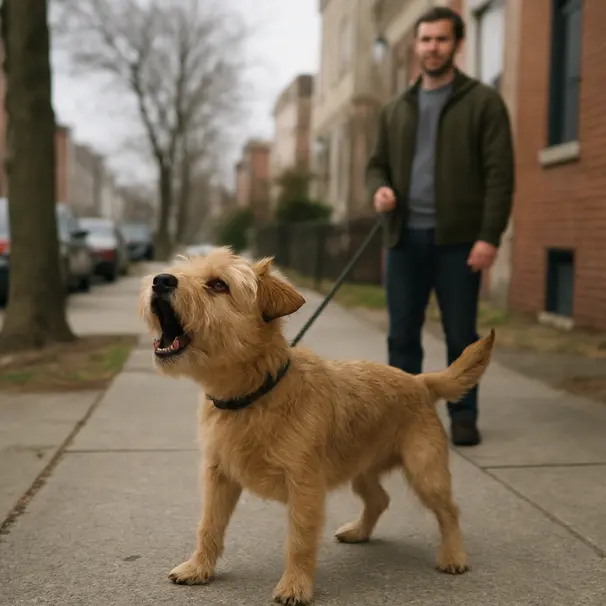
Dogs use barks, whines, growls, and howls to communicate. Tone, duration, and the situation matter.
- Short, high-pitched bark: alert or excitement
- Continuous barking at a window: frustration or warning
- Low growl with a fixed stare: warning, take seriously
- Whine: attention-seeking, stress, or discomfort
Growls are sometimes misunderstood. A growl is a clear message that a dog needs space. Respect it, and you can help prevent escalation.
Calming signals: how dogs say “I need things to chill”
Dogs often use subtle moves to calm themselves and others. Recognizing these calming signals helps you respond gently and build trust.
Common calming signals:
- Lip licking or yawning when not tired
- Turning head or body away
- Slow blinking
- Sniffing the ground suddenly
- Paw lift or slow movement
When you notice these signs, slow down, lower your voice, or give the dog extra space. If a dog is repeatedly using calming signals, they may be overwhelmed and need a break or a quieter space.
Context and combined signals
A single behavior rarely tells the whole story. Combine signals with context to interpret intent. For example, a wagging tail plus loose body and relaxed mouth likely means friendly. The same wag with a stiff body and direct stare could mean something else entirely.
Ask yourself:
- What happened right before this behavior?
- Is the dog near food, toys, or a familiar person?
- Are there other dogs or children around?
Observing patterns over days and weeks gives you the best picture of your dogs personality and comfort zones.
Reading puppies versus seniors
Puppies are still learning social cues, so they might overreact or misread signals. Seniors may show stiffness or slower movement that looks like reluctance but could be joint pain. If behavior changes with age, consider a vet check.
Red flags and when to step back
Some behaviors mean you should intervene or give space immediately.
- Sustained hard stare and snarl
- Repeated lunging at people or dogs
- Biting or snapping
- Freezing and refusing to move in the face of a trigger
- Rapid escalation from relaxed to aggressive posture
If you see these signs, prioritize safety. Calmly create space, avoid direct eye contact, and remove triggers if you can. If aggressive incidents happen more than once, consult a professional behaviorist who uses force-free, humane methods.
How to respond in the moment
When your dog signals stress or discomfort:
- Pause and take a breath. Dogs pick up on your energy.
- Give space. Step back or turn sideways to appear less threatening.
- Use a calm voice and slow movements.
- Offer a break with a quiet room or a favorite toy if that helps.
If a stranger approaches your dog and your dog shows signs of stress, politely move your dog out of the situation and explain your dog needs space. Most people understand and appreciate the heads-up.

Training and building better communication
Training that focuses on clear cues, rewards, and consistency helps your dog understand your expectations and reduces stress. Positive reinforcement encourages desired behaviors and strengthens your bond.
Practical training tips:
- Reward relaxed behavior with treats or praise
- Teach a reliable recall and a “look at me” cue for redirection
- Practice short, fun sessions that end positively
- Use counterconditioning to change a dog’s reaction to triggers gradually
If youre working through anxiety, a professional trainer or behaviorist can create a step-by-step plan. Consider consulting a vet if there are sudden changes in behavior, since pain or illness can affect signals.
Socialization matters
Slow, controlled social experiences help dogs learn appropriate reactions. For shy or reactive dogs, set up calm introductions and let the dog choose distance. Pressuring a dog to interact usually backfires.
Practical checklist for daily observations
- Morning: note posture and appetite
- During walks: observe tail, ears, and gait
- At meetings: watch for calming signals or stiffening
- At home: notice changes in rest patterns or avoidance
Keep a simple journal if youre trying to change a behavior. Small notes about time, place, and triggers reveal patterns over weeks.
When to ask for professional help
Consider professional advice if:
- Aggression or biting occurs
- Your dog seems anxious most of the time
- Behaviors suddenly change
- You struggle to manage triggers safely
Look for certified, positive reinforcement trainers or qualified behaviorists. A vet check can rule out pain or medical issues that might change your dog’s signals.
Final thoughts
Reading your dog’s body language is a practice, like learning to tune into a friend. Spend time watching, stay curious, and respond kindly. Over time youll notice little signs earlier and your dog will trust you more. That trust is the best signal of all.
Quick summary checklist:
- Observe the whole dog, not just one cue
- Combine context with signals
- Respect calming signals and growls
- Give space and use calm responses
- Seek professional help for persistent or dangerous behaviors
A patient eye and a gentle touch go a long way. Happy reading, and give your floofy friend a comforting scratch for me.