


Introduction: A kinder way to calm sound worries
If your dog trembles at thunder, hides during fireworks, or startles at the vacuum cleaner, you’re not alone. Sound-related fear is very common in dogs, and it affects families and carers in real, everyday ways. This guide walks you through practical, gentle strategies to help your dog feel safer. You’ll find tips you can try at home, ideas for working with trusted carers, and signs that it might be time to ask a vet or behaviour professional for extra help. Take it slow, celebrate small wins, and remember that patience matters more than perfection.
Understanding fear of sound: What’s happening for your dog
For a dog, a loud or unexpected noise can trigger a cascade of stress responses: racing heart, adrenaline, and a desire to escape or hide. Sometimes the sound itself is frightening. Other times it’s the unpredictability or association with an unpleasant experience. Dogs don’t have the same context for noises that we do, so something we shrug off can feel overwhelming to them.
It helps to think in two parts: the trigger (the sound) and the reaction (what your dog does). Our goal is to reduce both the intensity of the reaction and the emotional meaning the dog attaches to the noise over time.
Common triggers and why they matter
- Thunder and storms: low rumbling and sudden booms can be especially scary.
- Fireworks: unpredictable, high-decibel pops at irregular intervals.
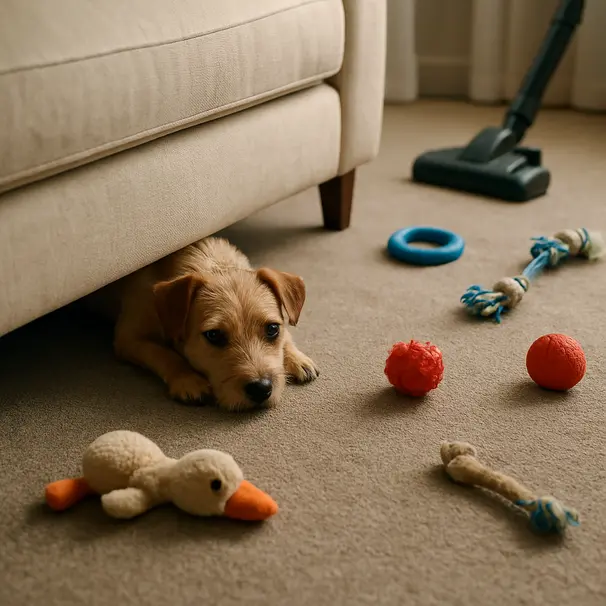
- Household appliances: vacuums, blenders, hairdryers — noises that are close and persistent.
- Construction and traffic: repeated, loud noises that may build up stress.
- Sudden bangs: doors slamming or dropping objects that catch a dog off-guard.
Knowing which sounds bother your dog most helps you plan targeted training and management steps.
Recognizing the signs your dog is frightened
Dogs show fear in lots of ways, and some signs are easy to miss if you’re used to your dog’s “normal.” Here are signals to watch for:
- Visible trembling or shaking.
- Hiding under furniture, behind people, or in a closet.
- Pacing, drooling, yawning, or a tucked tail.
- Urinating or defecating when frightened, even if housetrained.
- Freezing in place or trying to bolt away.
- Refusing food or toys when noises start.
If your dog shows aggression during fear episodes, that’s a stress reaction too. Stay safe and don’t punish the behaviour. Punishment can make fear worse and damage trust.
Immediate steps to help during a scary sound event
When a noise happens unexpectedly, your response matters. Try these calming actions:
- Stay calm yourself. Dogs pick up on our tone and body language.
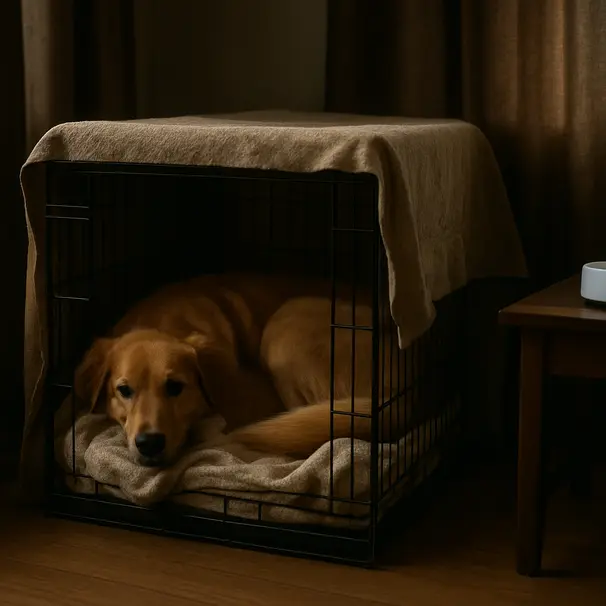
- Create a safe space: offer a quiet room, a crate with the door open, or a snug corner with familiar bedding.
- Use gentle touch if your dog finds that soothing, but don’t force contact.
- Distract with a long-lasting treat or food puzzle if your dog will take it.
- Avoid loud reassuring shouting; keep your voice low and steady.
Each dog is different. Some prefer to be left alone, others want proximity. Learn your dog’s cue for comfort and respect it.
Long-term training: desensitization and counterconditioning
Two of the most useful training approaches for sound fear are desensitization and counterconditioning. Both are gradual and rely on consistent practice.
What is desensitization?
Desensitization means exposing your dog to a low level of the scary sound so it doesn’t trigger fear. Over time you slowly increase the sound level while ensuring your dog stays relaxed. The pace is determined by the dog: move faster if the dog stays calm, and slow down if stress signals appear.
What is counterconditioning?
Counterconditioning pairs the scary sound with something your dog loves, such as tasty treats, a favourite toy, or a soothing game. The idea is to change the dog’s emotional response to the sound from fear to a positive expectation.
How to combine them in practice
- Start with a recordings-based plan: find high-quality sound files with the specific trigger, like thunder or fireworks.
- Play the sound at very low volume while you give treats or engage in play. Keep sessions short and pleasant, a few minutes at most.
- Gradually raise volume over days and weeks, always ensuring your dog remains comfortable.
- If your dog shows stress, drop the volume back to a comfortable level and proceed more slowly.
- Increase difficulty by adding mild movement, location changes, or distance from the speaker.
Patience and consistency are key. Progress can be slow, but steady sessions often lead to meaningful change.

Management: making your home a calmer place
Training works best when paired with good management. Here are practical ways to reduce everyday stressors:
- Provide a safe den: many dogs feel better in a covered crate or a room with soft lighting and familiar blankets.
- Sound-muffling: heavy curtains, rugs, and closed windows can reduce the intensity of outdoor noises.
- Play calming background noise: a steady fan, white noise machine, or soft music can mask sudden sounds.
- Practice daily enrichment: puzzle feeders, chew toys, and sniffing games increase positive mental activity and reduce anxiety.
- Create predictable routines: regular walks, feeding times, and quiet periods help dogs feel in control.
Tools and products that may help
Several non-prescription tools can support your plan. Consider trying them and watch how your dog responds:
- Thundershirt-style wraps: gentle pressure may soothe some dogs.
- High-quality sound recordings and training apps for stepwise desensitization.
- White noise machines or calming playlists made for dogs.
- Interactive feeders and long-lasting chews to distract during noisy events.
These options can help, but they aren’t a cure by themselves. Combine them with training for best results. If you’re unsure about any product, talk with your vet or a behaviourist.
Storms, fireworks, and special occasions
When you know a noisy event is coming, plan ahead. For storms and holidays:
- Bring your dog indoors early and set up their safe space.
- Use desensitization practice in the days or weeks before predictable events.
- Keep the environment low-key: dim lights, closed curtains, and soft background noise.
- Monitor your dog rather than leaving them alone during intense events.
- Have a carrier or escape route ready if your dog panics and tries to bolt.
For fireworks nights, consider walking your dog earlier in the evening, before displays start. If your dog is highly anxious, a calm daytime activity and then settling indoors is a better plan than leaving them out in the yard.
Working with pet carers: clear plans and communication
If you use pet carers, dog walkers, or a sitter through a platform like Floofy, share a concise, comforting plan so they can help consistently:
- Detail your dog’s triggers, reaction signs, and preferred calming strategies.
- Provide instructions for the safe space and any equipment like wraps, music, or crates.
- Show carers how to offer treats or enrichment during mild exposure sessions.
- Ask carers to note when and how your dog responds to noises and any small wins.
Good communication helps carers feel confident and keeps the dog’s routine consistent across people.
When to consult a vet or behaviour professional
Some dogs make steady progress with home-based work. Others need extra support. Consider seeking professional help if:
- Your dog’s fear is severe or getting worse.
- There’s aggression linked to fear.
- Your dog shows frequent, intense panic reactions that affect daily life.
- Home training hasn’t helped after consistent, patient work.
A vet can check for underlying medical issues and discuss safe medication options that may help a dog engage in behaviour work. A certified behaviourist can design a personalised plan and guide you through complex cases. Use cautious language and consider seeking referrals from trusted sources.
A quick checklist you can use today
- Identify your dog’s top three scary sounds.
- Create or update a safe, comfortable den with familiar items.
- Start a desensitization playlist and plan 5-10 minute sessions twice daily.
- Gather high-value treats and enrichment toys for counterconditioning.
- Tell carers and family members the calming routine and signs to watch for.
Final thoughts: small steps, big heart
Reducing sound fear in a dog rarely happens overnight. It’s a series of tiny, thoughtful steps that add up. Celebrate the calm moments, even if they’re brief. Each bit of progress is meaningful. Keep training gentle, consistent, and fun when possible. Reach out to your vet or a behaviour professional if things feel stuck. And remember, your steady presence and patience are some of the most powerful tools your dog has.
If you’d like, share your dog’s story with a trusted carer on Floofy or book a session with a behaviour specialist through the platform. You don’t have to do this alone.