

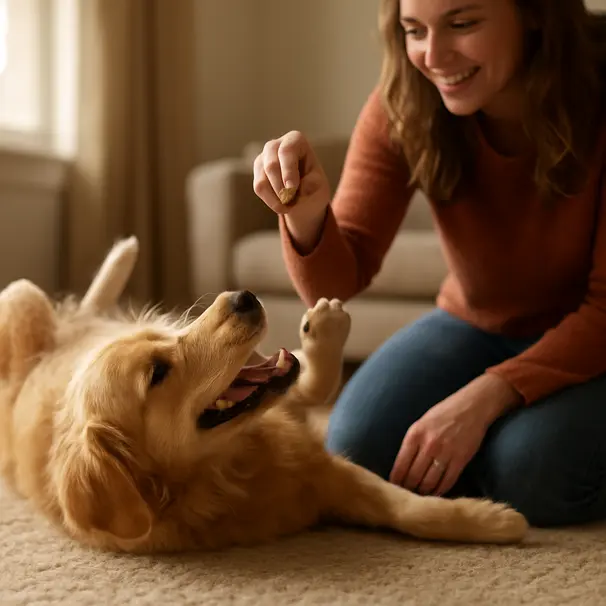
How to teach your dog to roll over easily
Teaching a dog to roll over is one of those classic tricks that makes people smile. It’s playful, satisfying, and a great way to strengthen your connection. With a little patience, clear cues, and tasty rewards, most dogs can learn the move in short sessions. This guide walks you through practical steps, safety tips, and helpful troubleshooting so training stays fun for both of you.
Why teach roll over?
Training a trick like roll over gives your dog mental stimulation, helps with impulse control, and builds trust. It’s also a handy demonstration of how well your dog listens when distracted. Beyond the applause, the real benefit is the shared time and positive interactions. Tricks are training in disguise, and they can make everyday life easier by improving recall, focus, and calmness.
Is your dog ready?
Before you start, take a moment to check a few things:
- Age and physical condition: Puppies can learn tricks, but they may tire quickly. If your dog is very young, senior, or has joint issues, consider gentler alternatives or consult your vet first. Safety comes first.
- Basic obedience: Your dog should know how to sit, down, and take treats calmly. Those basics make roll over much easier.
- Motivation: Find what your dog really loves. Small soft treats, a favorite toy, or enthusiastic praise will keep training positive.
If you’re unsure whether rolling is comfortable for your dog, a quick chat with your vet may help. Some dogs with arthritis, back problems, or certain breeds with short legs might find rolling awkward. In those cases, you can adapt the trick to be more comfortable or choose a different move.
What you’ll need
- Small, soft treats that your dog can eat in one bite. High value treats work best for most dogs. Keep portions small so you can do multiple repetitions.
- A clicker if you use one, or a consistent verbal marker like Yes. Marking the exact moment helps your dog understand what earned the reward.
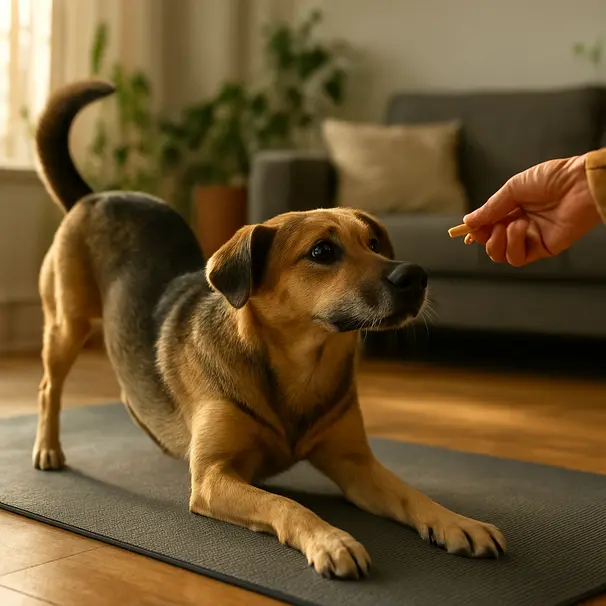
- A non-slip surface. A yoga mat, carpet, or grass is better than a slick floor.
- A quiet space with few distractions for the first sessions.
Training sessions should be short and sweet. Aim for 5 to 10 minute sessions, two or three times a day. Dogs learn better with many short practices rather than one long session.
Step-by-step: teaching roll over
These steps use luring and shaping. Luring means guiding your dog with a treat to encourage the action. Shaping breaks the trick into small steps and rewards each tiny success.
1. Start from down
Ask your dog to lie down. If your dog doesn’t already know down, spend a few sessions teaching that first. A calm, steady down sets the stage for rolling.
Tip: Keep your hand low and steady while luring. Overly fast movement can confuse your dog.
2. Lure your dog’s head toward their shoulder
Hold a treat near your dog’s nose and slowly move it toward the shoulder on one side. Many dogs will naturally follow the treat and shift their weight. As they follow the treat, their body will begin to roll slightly.
Mark and reward any small movement toward that roll. If you’re using a clicker, click the exact moment they turn their head or shift.
3. Reward intermediate steps
Once your dog consistently follows the treat, start rewarding only when their shoulder and upper body tip. Don’t rush to expect a full roll. Celebrate the progress. Reinforce those intermediate behaviors until they’re reliable before moving on.
4. Encourage the full roll
When tipping is consistent, move the treat in a larger arc so your dog follows it all the way over. You may need to assist with gentle guidance of the treat and a calm voice telling them yes when they complete the roll. Keep rewards frequent.
5. Add a verbal cue or hand signal
Once your dog understands the action, begin pairing a short verbal cue like “roll over” or a clear hand gesture with the movement. Say the cue just before you lure. Over several repetitions, reduce the lure so the cue prompts the behavior.
6. Fade the lure
Gradually make the treat less obvious. Use smaller hand motions and rely more on your verbal cue. Reward from your other hand so the dog learns the word or signal is the trigger, not the food in your visible hand.
7. Practice and generalise
Try the trick in different rooms, outside, and with mild distractions. Practice on different surfaces. Generalizing helps your dog perform the behavior in new places and around other people.
Quick session plan you can follow
- Warm-up: 1–2 minutes of sit or down to focus.
- Luring: 3–5 minutes of practicing the roll steps.
- Reward and end: 1–2 minutes of a favorite game or petting.
Always finish on a positive note. If your dog is tired or frustrated, switch to a simpler command they know well and end happily.
Troubleshooting common problems
If your dog stalls, spins instead of rolling, or seems confused, try these adjustments:
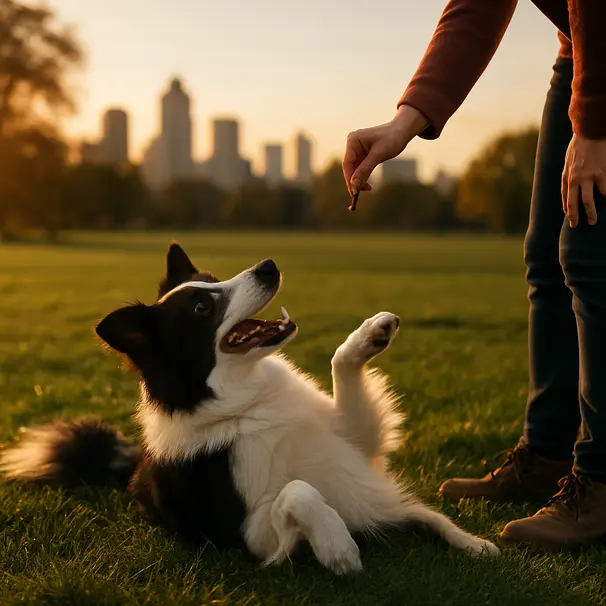
- Spinning instead of rolling: Move the treat more slowly and closer to the shoulder, so the dog’s body actually lifts and turns over instead of pivoting on the hips.
- Freezing or backing away: Use higher value treats, reduce pressure, and make the environment quieter. Try shorter sessions and more praise.
- Rolling the wrong direction: Some dogs prefer one side. Teach the trick on both sides eventually, but start with the side your dog prefers to build confidence.
- Dog is physically uncomfortable: Stop and check for signs of soreness. If you notice stiffness or reluctance to roll, consider a vet check.
If you’re consistently stuck, take a step back and reward any small movement in the right direction. Rarely does a dog learn a complete trick in a single session. Patience pays off.
Adapting roll over for different dogs
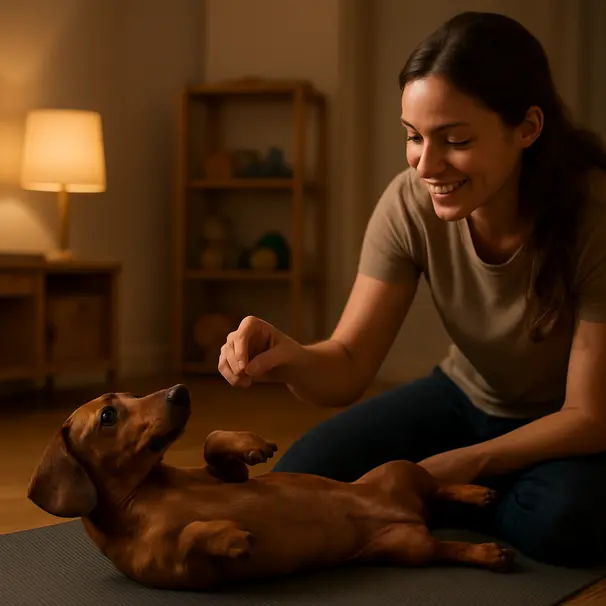
- Small dogs: Use very small treats and train on a soft surface to protect delicate joints. Keep sessions short and warm-ups gentle.
- Large dogs: Break the movement into even smaller steps. Big dogs can be clumsier, so reward incremental changes and practice in a roomy area.
- Puppies: Short, playful sessions work best. Puppies can learn the motion but may need years to perfect it as their coordination develops.
- Senior or arthritic dogs: Consider alternatives like “roll onto side” or a gentle reach-and-turn trick. Always consider comfort and consult your vet if you’re unsure.
Safety and health considerations
Rolling is physically simple for many dogs, but not for all. Consider these safety pointers:
- Avoid training immediately after meals to reduce the chance of discomfort.
- Use soft, non-slip surfaces to prevent slipping or twisting.
- If your dog shows signs of pain, stop training and consult a vet. The phrase “may be uncomfortable” can apply to dogs with joint or back issues, so it’s better to err on the side of caution.
- Keep repetitions low if your dog tires quickly. Mental fatigue shows as disinterest, yawning, or losing focus.
Using the trick responsibly
Rolling over is cute, but don’t force it on other dogs or people. Respect your dog’s limits and only show the trick when your dog is eager. Tricks are about communication and joy, not perfection.
When to ask for help
If training stalls and you feel frustrated, consider a local trainer or an experienced pet carer. A fresh pair of eyes can spot small timing errors or handling habits that confuse your dog. Trainers can demonstrate shaping in person, and a session or two may save you weeks of trial and error.
Fun variations and next moves
Once your dog rolls reliably, try these playful extensions:
- Roll over both ways: Teach the trick starting from each shoulder so your dog can roll left and right on cue.
- Add a spin: Combine roll with a spin for a mini routine.
- Use roll as a calm-down cue: After a short practice, use the action as part of a wind-down routine.
These variations keep training interesting and give your dog ongoing mental enrichment.
Final tips for success
- Keep training positive and relaxed. Your dog reads your mood, so stay upbeat.
- Reward speed and accuracy differently. Fast rolls are great, but smooth, controlled rolls are safer.
- Be consistent with your cue and timing. Mark the exact moment your dog completes the behavior.
- Celebrate small wins. If your dog nudges a shoulder, that’s progress.
Roll over is one of those tricks that rewards patience. You’ll both get a few laughs, and along the way you’ll build better communication and trust. Take it slow, keep sessions short and fun, and always prioritize your dog’s comfort.
If you want help, browse Floofy to find trusted pet carers and trainers who can demonstrate these steps in person. Happy training, and enjoy the wagging tails!