

A gentle start: why trimming matters
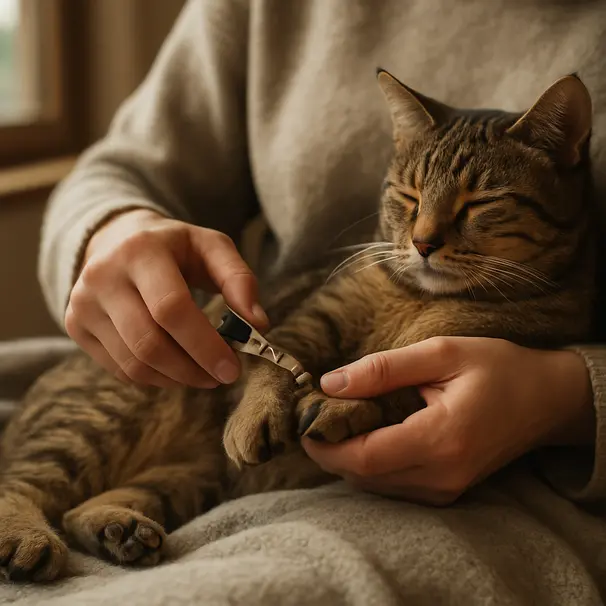
Cats use their claws for so many things, from climbing to defending themselves and getting a good stretch. But long nails can snag on fabrics, scratch people or furniture, and sometimes split or break painfully. Regular trimming can help keep your cat comfortable and reduce accidental damage around the house. It can also be a sweet way to bond when done calmly and respectfully.
Before you begin: gather your tools and set the scene
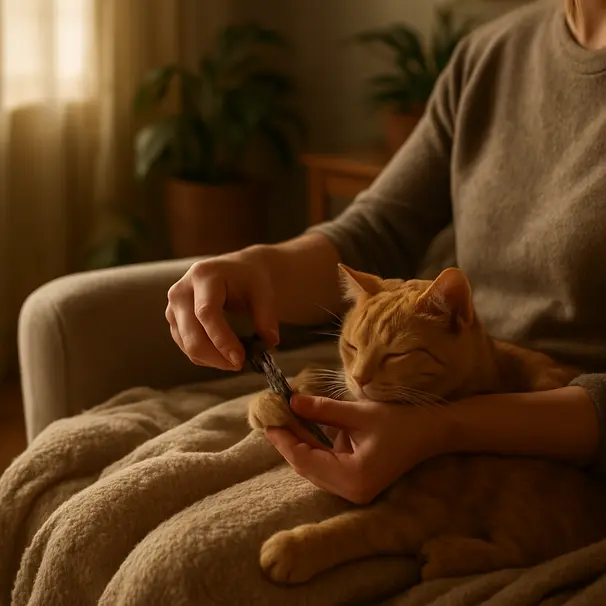
A little preparation goes a long way. You don’t need fancy gear, just the right basics and a quiet spot.
- Clippers: Use cat-specific nail clippers or small guillotine-style clippers. Human clippers are usually too big and can crush the nail.
- Styptic powder or cornstarch: For stopping bleeding if you accidentally nick the quick.
- Soft towel or blanket: For wrapping a nervous cat if needed.
- Treats and a calm voice: Positive reinforcement helps a lot.
Choose a time when your cat is relaxed, maybe after a meal or a nap. A sunlit spot or a familiar lap works best. Keep the session short, even if you only do a couple of nails at a time. Stress-free is the goal.
Understanding cat nail anatomy
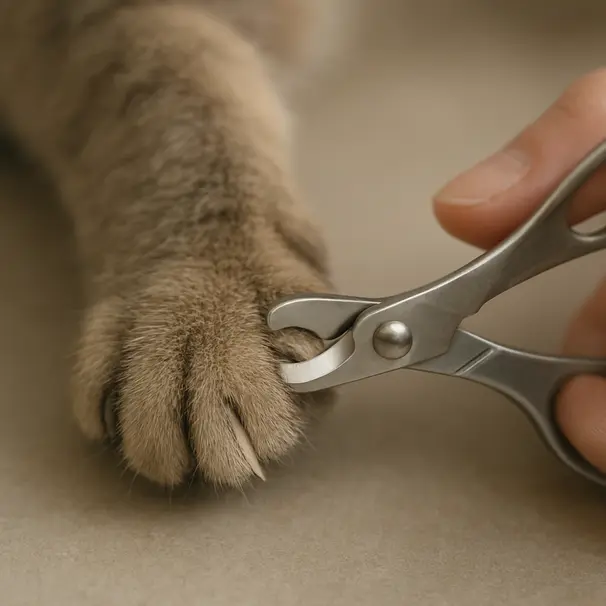
Knowing what you’re cutting makes everything safer. A cat’s nail has a transparent tip and a pinkish area called the quick. The quick contains blood vessels and nerves, so cutting into it causes pain and bleeding. In light-colored nails the quick is easier to see, but in dark nails it can be harder to spot. Look for a darker oval or stop trimming a hair’s breadth from the base of the clear part.
If a cat has retractable claws, you’ll need to gently press the top of the paw to extend the nail. Move slowly and watch your cat’s responses. If they tense or pull away, pause and soothe them.
Step-by-step trimming technique
Take your time. Rushing risks cutting the quick and eroding trust.
1. Get comfy and calm
Sit in a comfortable position with your cat facing away from you, or have them lie on their side if they tolerate it. Speak softly and stroke them for a minute. Offer a treat before you touch their paws to create a friendly association.
2. Handle the paw gently
Cup the paw in your hand and press at the pad to extend the claw. Do this slowly. On shy cats, you might practice just exposing the nail for a few seconds at a time across several days before attempting a trim.
3. Trim the tip only
Using your clippers, make a quick, confident snip of the translucent tip. Angle the clipper so you cut across the curve of the nail, not down into the pad. Remove only the sharp point. For kittens, the nails are softer and shorter, so trim more often but take off less each session.
4. Pause and reward
After every few nails, pause, cuddle, and offer a treat. Short wins build positive memories. If your cat gets restless, stop. You can finish the rest later.
5. Repeat on all paws
Most adult cats have 18 toes with claws to trim on each front toe and back toe. Some front paws have an extra dewclaw that needs attention. Go at your cat’s pace across all four paws.
What if I cut the quick?
It happens, especially the first few times. If you notice bleeding or your cat yelps, stay calm. Apply gentle pressure with a clean tissue and then use styptic powder or cornstarch to help clot the blood. If the bleeding doesn’t stop after a few minutes or if your cat seems unusually distressed, consider contacting your vet.
Try to avoid apologizing in a way that increases stress, like frantic petting. Instead, soothe with a steady voice, offer a small treat, and let your cat settle down before attempting any more trimming.
Tricks to make trimming easier
Some cats are naturally cooperative, others are dramatic. These tips can help reduce stress for both of you.
- Break sessions into tiny chunks. Two nails today, two tomorrow.
- Practice paw handling without clipping as a separate training step. Touch paws and reward, repeat until the cat is comfortable.
- Use a towel wrap or ‘kitty burrito’ for very wiggly cats. Keep the head free and secure the body gently.
- Enlist a calm helper. One person comforts while the other trims.
- Combine trimming with a positive routine like brushing or quiet lap time.
Kittens adapt more readily than adult cats, so starting young can save lots of effort later on.
Alternatives and additions to trimming
If trimming is too stressful, other options may help.
- Soft nail caps: Tiny vinyl caps glued over claws can protect furniture and skin. They need replacing every 4 to 6 weeks and require some commitment.
- Regular scratching outlets: Provide sturdy scratching posts and pads to help wear down nails naturally.
- Professional groomers or pet carers: Many professionals are skilled at quick, low-stress trims. This can be a great way to keep nails managed while your cat gets used to the process.
If you hire a pet carer through a service, ask about their experience with cats and what tools they use. A gentle approach matters more than speed.
Special cases: kittens, seniors, and medical concerns
Kittens have tiny nails and fast-growing quicks, so they may need gentle trims more often, often every 1 to 2 weeks. Keep sessions very short and sweet.
Senior cats or those with arthritis may resist paw handling because it hurts. In these cases, consider talking to your vet for pain management ideas, or ask a professional groomer who knows how to handle compromised mobility. Sometimes trimming frequency is reduced but done more carefully.
If you see signs of infection around the nail, swelling, or persistent bleeding, consult a veterinarian. These could indicate underlying problems that trimming alone won’t fix.
When to get help from a pro
If your cat is extremely fearful, aggressive, or you accidentally cut the quick repeatedly, booking a session with a vet tech or professional groomer can be a relief. Pet carers who visit can also maintain a regular schedule so your cat grows used to the routine.
Look for someone who uses low-stress handling techniques and who will show you how they do it. A short demonstration can teach you tricks to copy at home.

Safety checklist before each trim
- Tools are clean and sharp.
- Styptic powder or cornstarch is ready.
- The cat is calm and not overheated or anxious.
- You have a comfortable hold and a helper if needed.
- Sessions last only a few minutes if the cat is stressed.
Keeping a small pouch with clippers and powder near your cat’s favorite spot makes spontaneous, gentle sessions easier.
FAQs from fellow pet lovers
How often should I trim my cat’s nails? Many cats do well with trims every 4 to 6 weeks, but indoor cats who don’t wear their nails down may need it more often. Watch the tips; if they’re catching on fabric, it’s probably time.
Can I use human clippers? It’s better not to. Human clippers can split or crush the nail. Cat-specific clippers are sized for feline nails and give cleaner cuts.
My cat’s nails are black. How do I avoid the quick? Trim small bits at a time. Look for a darker center inside the nail, and stop well before that. If unsure, a pro can demonstrate.
Is trimming painful? Done correctly, no. You might feel uneasy at first, but a confident snip of the tip shouldn’t hurt. If your cat yelps, you probably nicked the quick.
Building a calm routine
Consistency is the secret. Make nail care predictable. Try to handle paws gently every few days without cutting. Give small treats, speak softly, and finish with a cuddle or play session. Over time your cat may come to expect a positive outcome, and trimming will become part of the normal rhythm of life.
Final thoughts
Trimming your cat’s nails is a small act that can improve comfort, protect your home, and strengthen your bond. Be patient, go slowly, and celebrate tiny victories. If trimming ever feels unsafe, seek help from a trusted pet carer, groomer, or your veterinarian. With the right approach, most cats learn to tolerate brief, gentle trims, and you both come away a little calmer and happier.
Happy clipping, and give your floof a scratch for me.