

A friendly guide to sharing safe human foods with your dog
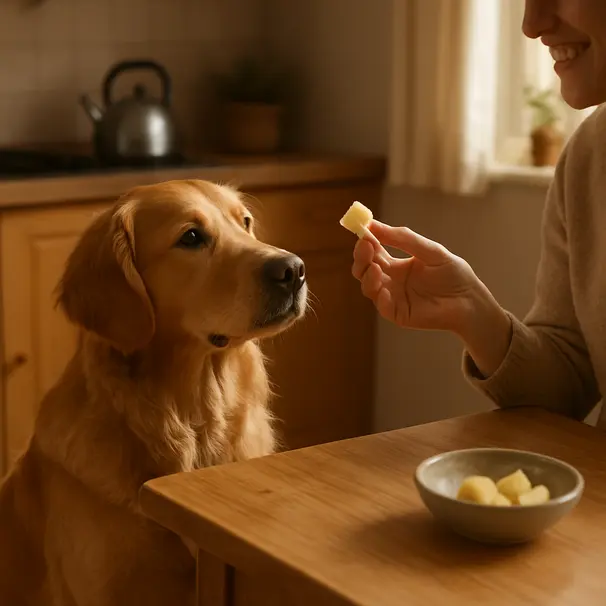
Dogs have noses for adventure and hearts for companionship, and sometimes that means they want a bite of what’s on your plate. Let’s be practical and warm about what human foods dogs can safely eat, how to serve them, and which treats you should avoid. Consider this a helpful roadmap for owners and carers who enjoy spoiling dogs responsibly.
Quick safety rules before you share
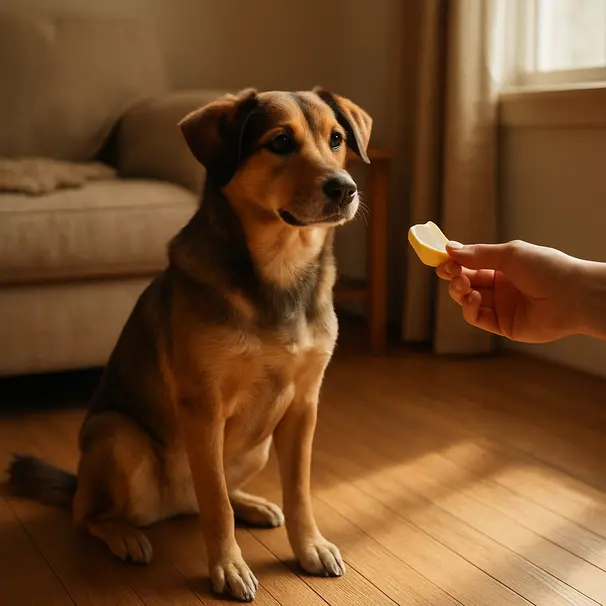
- Ask first: always check with the pet owner or your vet if you’re a carer.
- Start small: introduce one new food at a time and wait 24 to 48 hours for reactions.
- Keep portions tiny: treats and extras should be a small part of daily calories.
- Remove hazards: pits, cores, seeds, skin with seasonings, and bones that can splinter.
- Skip spices, sauces, and added salt: keep foods plain and simple.
These basics will keep sharing safe and enjoyable. If your dog has a chronic condition, food sensitivities, or is on a special diet, consider consulting a vet before offering any human food.
Fruits and vegetables your dog may enjoy
Dogs can get lots of vitamins and fiber from certain fruits and veggies. Most are best offered raw or lightly cooked, unseasoned, and cut to a size that suits your dog.
Apples
Apples are crunchy, low in calories, and many dogs love them. Remove the core and seeds first, because seeds contain very small amounts of cyanide. Slice into bite-sized pieces for training rewards.
Bananas
Bananas are soft and sweet, full of potassium. Give small amounts because they’re higher in natural sugar. A few slices make great frozen treats on hot days.
Blueberries
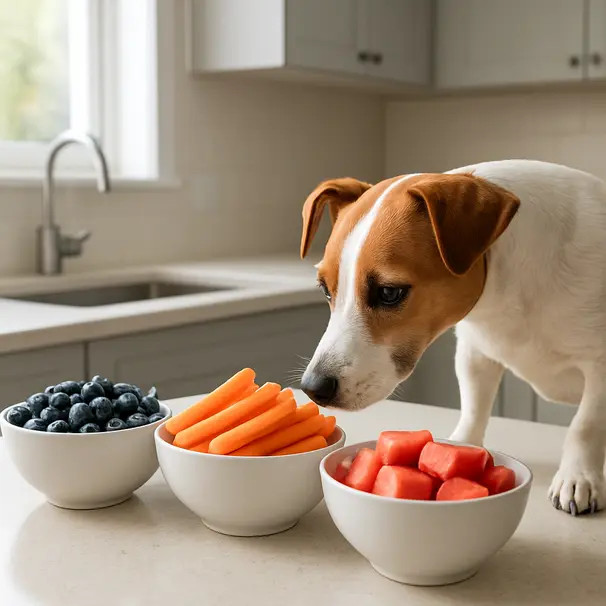
Packed with antioxidants, blueberries are convenient, single-bite snacks for most dogs. They’re excellent for training because they’re tidy and low calorie.
Watermelon
Plain watermelon flesh is hydrating and refreshing. Remove the rind and seeds before offering a small wedge or cubes. Avoid canned watermelon with syrup.
Carrots and cucumbers
Crunchy carrots are a classic low-calorie chew, and cucumbers are great for hydration. Both are excellent for teething puppies and for dogs who need to watch their weight.
Sweet potato and pumpkin
Cooked plain sweet potato and plain pumpkin puree (not pumpkin pie filling) can help with digestion and make tasty treats. Serve in small portions and make sure they’re cooked through.
Green beans
Fresh or steamed green beans are a fiber-rich, low-calorie snack. Many dogs like them as a crunchy treat or mixed into meals.
Proteins and dairy — what’s usually safe
Protein is central to a dog’s diet. Human proteins can be fine, as long as they’re prepared safely.
Lean cooked meats
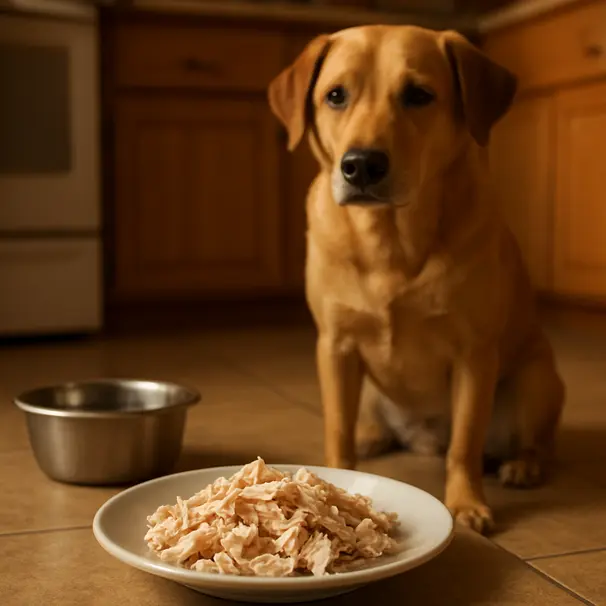
Plain cooked chicken, turkey, and lean beef are often excellent. Remove skin, fat, and bones. Avoid seasonings that include garlic, onion, or excessive salt.
Fish
Cooked salmon and white fish may be offered occasionally. Fish can add omega-3 fatty acids, but avoid raw fish and always remove bones.
Eggs
Fully cooked eggs—scrambled or boiled without butter, salt, or oil—can be an occasional protein boost.
Dairy in moderation
Plain yogurt and cottage cheese can be okay for some dogs in small amounts, especially low-lactose varieties. Keep portions small and watch for digestive upset, since many dogs are lactose intolerant. Cheese can be a high-value treat for training, but use sparingly.
Grains and other carbs
Some dogs tolerate small amounts of grains or carbohydrates as treats or mixed into meals.
- Plain white or brown rice is gentle on the stomach and often used for upset digestion.
- Oats and plain cooked pasta can be shared in moderation.
- Bread is generally safe if plain and given sparingly, but avoid dough that’s raw or sweetened.
Avoid foods with raisins, nuts, or sweeteners like xylitol. Also skip pastry with butter, sugars, or fillings that are toxic to dogs.
Common human foods to avoid
Some foods that are perfectly safe for us can be dangerous for dogs. Keep these firmly off the menu:
- Chocolate and cocoa
- Grapes and raisins
- Onions, garlic, chives, and leeks
- Xylitol and many sugar-free gums and baked goods
- Alcohol and caffeinated drinks
- Macadamia nuts and large quantities of other nuts
- Raw yeast dough, which can expand and cause problems
- Certain mushrooms and wild foraged foods
Also be cautious with avocado, which contains persin; small amounts of plain avocado flesh may be tolerated by some dogs, but it’s safer to avoid it unless you know the dog handles it well.
Bones and cooked bones: handling with care
Bones are a hot topic. Raw bones are often promoted, but they carry risks like bacterial contamination and tooth damage. Cooked bones of any kind can splinter and cause choking or internal injuries.
If you want to give a chew, consider vet-approved dental chews, rubber toys, or long-lasting treats made for chewing. Always supervise any chewing session, and remove small fragments promptly.
Simple, safe treat ideas and mini-recipes
Here are a few easy ways to share human-food treats without fuss.
- Frozen banana slices: Slice a banana, lay slices on a tray, freeze. Great for training or cooling down.
- Pumpkin training dots: Spoon small dots of plain canned pumpkin onto a tray and freeze. Use as low-calorie training treats.
- Chicken bites: Boil a plain chicken breast, shred, and freeze small portions in muffin tins for a savory reward.
- Yogurt fruit pops: Mix plain yogurt with a few blueberries, spoon into silicone molds, and freeze for a summer treat.
When making any recipe, cut pieces to an appropriate size to avoid choking and remember that added sugars or spices should never be used.
Treating, portioning, and calorie control
A big part of sharing food responsibly is portion control. Food is love, but too many extras can lead to weight gain.
- Keep treats under about 10% of the daily calorie intake.
- Use tiny pieces for training; a large dog’s kibble-sized rewards can be replaced with fruit pieces for low-calorie sessions.
- For puppies and small breeds, cut treats into very small bits to avoid bloating or overeating.
Always account for treats when planning daily meals. If you’re unsure how much is right, consider a quick chat with the dog’s vet or a pet nutritionist.
Feeding etiquette for pet carers
If you’re a pet carer or sitter, food rules are both practical and respectful.
- Get written permission from the owner about allowed foods and quantities.
- Ask about allergies, intolerances, and medical diets.
- Bring pre-portioned treats or use the dog’s regular kibble as rewards so you don’t accidentally overfeed.
- Never share human meals without owner approval. Some owners prefer strict no-table-food policies, and that should be respected.
Carers can also note how a dog responds to new foods and report any changes in appetite, stool, or behavior back to the owner.
Signs a new food didn’t agree with a dog
Keep an eye out after introducing something new. Consider contacting a vet if you notice severe symptoms.
Mild signs to watch for:
- Soft stools or mild diarrhea
- Temporary decrease in appetite
- Slight gas or tummy rumbling
Serious signs that need urgent attention:
- Persistent vomiting or diarrhea
- Extreme lethargy or collapse
- Difficulty breathing or swelling of the face
- Seizures
If in doubt, call your veterinarian or an emergency clinic, and if possible, have the food packaging or a description of what the dog ate available.
Making sharing a loving, safe habit
Sharing small amounts of safe human food can be a lovely way to bond with a dog, reward good behavior, or add variety to mealtime. Keep it simple, plain, and proportional. Use fruits and vegetables as low-calorie training treats, offer plain cooked proteins occasionally, and always avoid the dangerous list.
Remember that each dog is unique. Age, breed, size, and health all affect what’s safe and suitable. When you’re ever unsure, consider a quick call to a vet or the dog’s owner.

Final tips and a gentle reminder
- Introduce new foods slowly, in tiny amounts.
- Avoid highly seasoned, fatty, or sugary human food.
- Keep a list of toxic items visible in your kitchen or app for quick reference.
- If you care for dogs professionally, make food preferences and restrictions part of your intake checklist.
Sharing food can be part of the joy of pet ownership and care. With a few precautions and thoughtful serving, you’ll keep tails wagging and tummies happy.
If you’re looking for trustworthy carers who follow safe feeding practices, Floofy connects you with carers who treat pets like family. Happy snacking, and give your pup a gentle scratch behind the ears from us.