


Quick answer
Short version: ice cubes can be safe and refreshing for many dogs, but they’re not universally harmless. Size, age, breed, dental health and how you offer them matter a lot. Supervision and a few common-sense precautions can keep the experience cooling and fun.
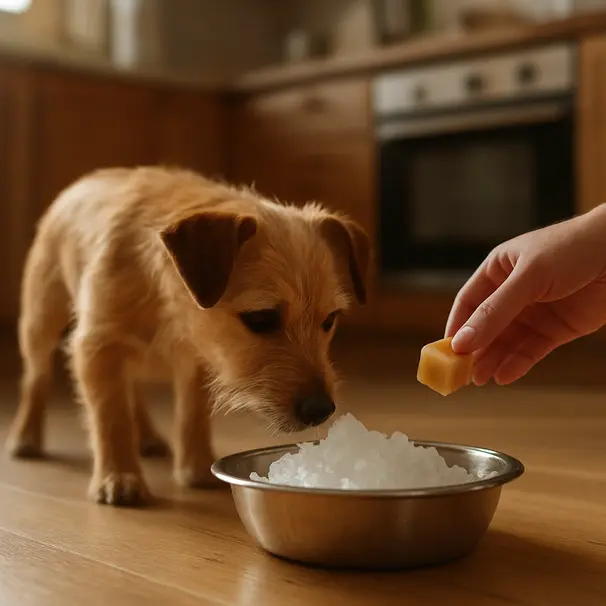
Why owners and carers offer ice
On a hot afternoon, seeing a dog lap at a bowl of clinking ice can feel like a small victory. Ice cubes are convenient, inexpensive and often on hand. People give ice for a few common reasons:
- To cool a dog down quickly during play or walks.
- To make water more tempting for picky drinkers.
- As a low-calorie crunchy treat or for enrichment.
- To soothe teething puppies or soothe mild oral discomfort.
Many pet carers use ice as a short-term solution in warm weather. It can make water more appealing, encourage extra sips and break up a monotonous routine. Still, it’s important to think about how and when you serve ice, and which dogs might need a different approach.
The risks: what could go wrong
Ice isn’t dangerous for most dogs, but a few scenarios raise the risk level:
Choking hazard: Large, hard ice cubes can be a choking risk, especially for small breeds, greedy eaters and puppies. A dog can try to swallow a cube that’s too big and get it stuck in the throat.
Dental damage: Hard ice chips may stress cracked or weakened teeth, and can potentially chip molars in dogs with dental disease. Older dogs or those with known dental issues may be better off with softer alternatives.
Sensitive teeth or mouth pain: If a dog avoids cold things or shows signs of discomfort while chewing, ice might make dental pain worse.
Overconsumption of cold water: Drinking large amounts of icy water very quickly may cause stomach discomfort in some dogs. While it’s not the same as the rare bloat conditions associated with other triggers, it’s worth being cautious with fast gulping.
Breed and respiratory issues: Brachycephalic breeds, like pugs and bulldogs, sometimes struggle with quick breathing changes. If they’re already panting heavily, throwing large ice cubes at them could cause coughing or gagging.
Behavioral risks: For dogs that get overly excited, hard ice can become a projectile in play, increasing the chance of collisions or accidental injury.
If a dog starts coughing, pawing at the mouth, gagging or showing distress after getting ice, remove nearby cubes and watch closely. Consider contacting a vet or emergency clinic if symptoms don’t resolve quickly.
How to offer ice safely
Here are practical, friendly tips you can try at home or while caring for a dog on Floofy.
Pick the right size and form
Smaller pieces are safer. Crushed ice or ice chips are easier to manage than giant cubes. You can also use ice in a shallow water bowl so the dog can’t lift whole cubes into its mouth.
- For small dogs and puppies: use crushed ice or frozen treats in small pieces.
- For medium to large dogs: try small ice cubes or larger crushed pieces, still supervised.
Supervise every serving
Never leave a new dog with ice unattended until you know how they behave with it. Some dogs chew gently, others gulp. Stay close the first few times and be ready to remove cubes if play gets too rough.
Introduce slowly
If your dog hasn’t had ice before, start with a single small cube and watch the reaction. Offer it after a calm activity rather than during extreme excitement. Praise calm chewing or slow drinking to encourage gentle behavior.
Consider softened or flavored ice
If dental health is a concern, give softened ice by letting a cube sit in warm hands for a minute or serve chilled water instead of solid ice. You can also freeze low-sodium broth or plain water with a small piece of fruit to create a softer, tastier frozen treat.
Use safe containers
Stainless steel bowls or ceramic dishes keep ice colder longer and don’t contribute odd smells. Avoid tiny bowls that encourage a dog to try to pick up whole cubes and supervise any water bowl left outside.
Clean and rotate
Keep ice trays clean and use fresh water. If you’re adding flavors like broth or pureed fruit, make small batches and store them briefly. Discard old frozen treats after a few days to avoid bacterial growth.

Creative, safe ice-based treats and enrichment
If you want to make ice more than a quick cool-down, try these ideas that can add enrichment and reduce risk:
- Frozen broth cubes: Freeze low-sodium chicken or beef broth in small silicone molds. These melt slowly and smell enticing, which can encourage hydration.
- Kong or treat puzzles with frozen fillings: Fill a Kong with plain yogurt, mashed banana or low-sodium broth and freeze. The dog works to extract the treat, extending the enjoyment and reducing the chance of gulping a solid cube.
- Fruit-infused ice: Freeze small pieces of apple, carrot or banana in ice for a colorful, softer treat. Make sure the fruit is safe for dogs and cut into small pieces.
- Shallow ice trays: Place thin layers of frozen water in a shallow tray with a few treats embedded. The dog can lap and nudge to get at the goodies without swallowing big chunks.
These approaches can make cooling safer and mentally stimulating. They may also be a good option when you’re supervising multiple pets and want to avoid competition over loose ice cubes.
Alternatives to plain ice for cooling and hydration
If ice doesn’t feel right for a particular dog, here are other practical choices that may help keep them comfortable and hydrated:
- Chilled water: Keep water in a cooler or bring a chilled bottle on walks. Many dogs happily sip cool water without needing solid ice.
- Frozen water bottles: A frozen plastic bottle wrapped in a towel makes a good chew object for large dogs and provides a cool surface to lean on during rest.
- Cooling mats and vests: These can help regulate body surface temperature without introducing anything into the mouth. Look for non-toxic materials and follow manufacturer instructions.
- Shallow kiddie pools: For dogs who like water, a shallow pool can offer both cooling and play. Supervise water play, especially with dogs that tire quickly.
- Wet towels: Dabbing or laying a damp, cool towel over the neck or chest can provide immediate cooling and is easy to control.

Tips for dog walkers and pet carers on Floofy
As a pet carer, it’s good to ask the owner before offering any ice or frozen treats. Include simple questions in your booking profile or welcome message:
- Has your dog had ice or frozen treats before?
- Any dental issues or choking history?
- Preferred portion sizes or ingredients to avoid?
If the owner approves ice, follow the safety steps above and report how the dog reacted. Little notes like “loved the frozen broth cube, lapped it slowly” help owners know what worked and build trust for future sits.
Hot-weather safety: more than just ice
Ice can be one tool, but keeping dogs safe on very hot days means thinking about several things:
- Plan walks for cooler hours, like early morning or late evening.
- Avoid hot pavement; test pavement with the back of your hand for seven seconds.
- Offer shade and frequent water breaks.
- Know signs of overheating, such as heavy panting that doesn’t slow, drooling, weakness, or staggering. If you suspect heat-related illness, contact a vet right away. These signs may need urgent care, so don’t delay.
When to check with your vet
Consider asking a veterinarian if your dog has: chronic dental problems, a history of choking, known respiratory difficulties, or if you notice odd reactions to cold items. Also check with a vet before giving flavored or homemade frozen treats if the dog has food sensitivities or dietary restrictions.
Phrases to use when reaching out to a vet could include: we noticed coughing after giving ice, or our dog avoided chewing cold treats. A short message can clarify risks specific to your dog’s health.
Real-life scenarios and simple decisions
- Small terrier puppy: Try crushed ice or a tiny frozen broth cube, and always supervise. Puppies can be clumsy chewers.
- Senior Labrador with worn teeth: Offer chilled water and soft frozen treats in puzzles, not hard ice cubes that could stress teeth.
- Brachycephalic bulldog during a summer walk: Cool with wet towels and chilled water, and avoid large ice chunks that might trigger gagging.
- Active working dog under heat: Frozen treat puzzles during rest breaks may slow feeding and encourage hydration without gulping.
These are just examples. The key is to tailor the approach to each dog’s size, age, health, and personality.
Final thoughts
Ice cubes can be a pleasant, easy way to refresh many dogs. With sensible choices about size, form and supervision, you can reduce the main risks and let dogs enjoy a cold treat. If you care for pets through Floofy, quick notes to owners about what you tried and how the dog responded build trust and help create consistent routines.
When in doubt, lean on simpler options like chilled water, frozen puzzle toys and short supervised sessions. And if a dog shows worrying signs after eating ice, consult a vet. Small precautions keep playtime safe and the summers full of happy tails.
Happy cooling, and remember: a little supervision goes a long way to keeping dogs comfortable and safe.