

A warm hello to bird carers
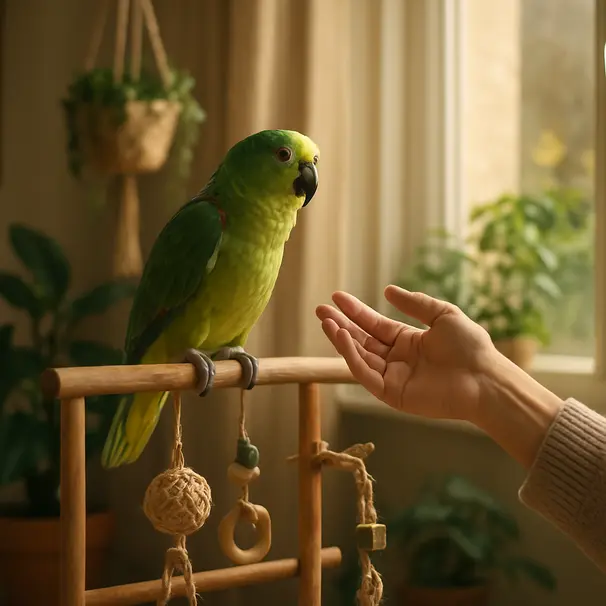
Caring for an indoor bird is a daily joy. The songs, the curious head tilts, the tiny footprints on your shoulder. It can also feel like a big responsibility. This guide gathers friendly, practical tips to help pet owners and carers create calm, healthy lives for feathered friends. Think of it as a checklist you can keep on the kitchen counter, ready for handovers, or to refresh your routine.
Creating a bird-friendly home
Birds are sensitive to their environment. Comfortable spaces, steady routines, and a few safety checks can help birds feel secure and thrive.
Cage selection and placement
- Choose a cage that allows full wing extension and movement. Bigger is generally better. Horizontal bars can help climbing species.
- Place the cage where the family spends time, but avoid draughty corridors and direct airflow from vents or windows. Birds like social interaction, yet they also need a quiet corner to rest.
- Keep cages out of the kitchen while cooking. Fumes from non-stick pans and strong cleaners can be harmful. Consider a separate room or a covered travel cage during food preparation.
Temperature, lighting, and sleep
- Most indoor birds do well in typical home temperatures, roughly 18 to 24°C. Sudden temperature swings may stress them, so avoid frequent changes.
- Natural daylight helps regulate sleep cycles. If the room lacks windows or natural light, consider a full-spectrum lamp on a timer to mimic daylight, but avoid constant bright light at night.
- Aim for 10 to 12 hours of uninterrupted sleep. A cozy cage cover or a quiet dark room in the evening can help birds settle.
Remove hazards
- Scan the room for potential dangers: ceiling fans, open windows, hot radiators, exposed mirrors, and dangling cords. Small birds may chew on electrical cords, so tuck those out of reach.
- Houseplants can be lovely, but some are toxic to birds. Check plant safety before bringing greenery indoors.
Daily care routine
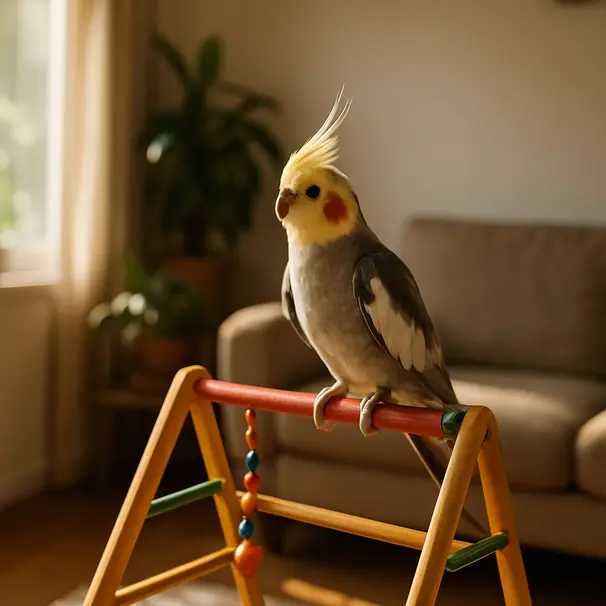
Routines keep birds calm. A consistent morning and evening rhythm can help reduce stress and strengthen bonds between birds and carers.
Morning check
- Offer fresh water first thing. Birds may bathe or drink more after a night’s rest.
- Replenish food and remove uneaten perishable items. A quick visual check for droppings, fluffed feathers, or any limping can catch problems early.
- Spend a few minutes talking gently or offering a short supervised out-of-cage time if the bird is used to flying around.
Midday and evening tasks
- Rotate toys or perches to keep the environment interesting. Small changes can brighten a bird’s day.
- Wipe food and water dishes daily, and deep clean the cage weekly. Consider a removable tray or cage liners to make cleaning easier.
- Hand over notes for other carers: favourite treats, known quirks, and preferred handling times. A short list clipped to the cage helps maintain consistency.
Nutrition and feeding tips
Diet influences mood, feather condition, and energy. Balanced meals can help birds stay bright and active. Use these pointers as general help, and consult an avian vet for species-specific recommendations.
Building a balanced plate
- A varied diet that mixes high-quality pellets, fresh vegetables, and a limited amount of seeds can help cover nutritional needs. Pellets often provide steadier nutrition than seed-only diets.
- Fresh greens like kale, spinach, and dandelion leaves can be offered, along with carrots, bell peppers, and sweet potato in small, safe amounts.
- Introduce new foods gradually. Birds may be cautious about unfamiliar items. Repeated gentle exposure may encourage tasting.
Treats and portion control
- Treats are useful for training and bonding, but keep portions small to avoid overfeeding. Sunflower seeds and nuts are calorie-dense, so use them sparingly.
- Consider healthy foraging treats that encourage natural behaviors, rather than simply free-feeding high-fat snacks.
Water and hygiene
- Change drinking water daily, or more often if it becomes soiled. Some birds enjoy shallow baths or misting; this may help feather health and encourage preening.
Enrichment and social needs
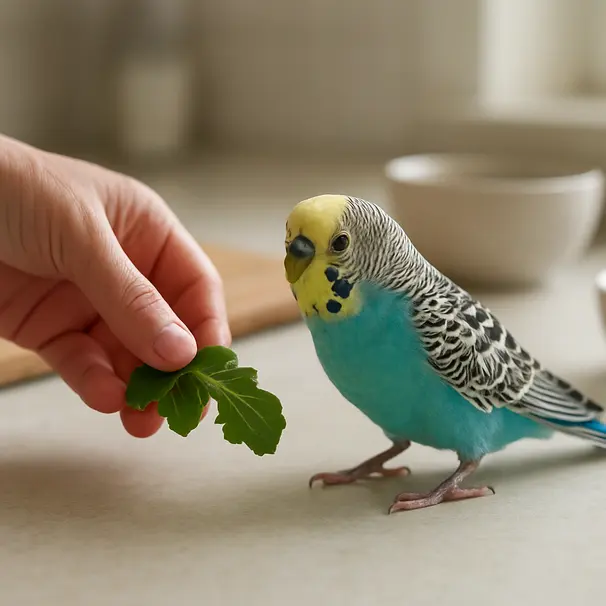
Boredom can lead to feather plucking, screaming, or destructive chewing. Enrichment keeps birds mentally active and can strengthen the bond between pet and carer.
Toys, puzzles, and foraging
- Offer a variety of toys that encourage pecking, shredding, and problem solving. Rotate toys every few days to keep novelty high.
- Foraging opportunities can be made by hiding bits of fruit or pellet pieces in paper cups, cardboard tubes, or foraging toys. This can help birds use natural instincts for several minutes to an hour each day.
Social interaction and training
- Birds like predictable interaction. Short training sessions using positive reinforcement can teach recall, step-up, and simple tricks. These moments build trust and improve communication.
- Respect the bird’s personality. Some enjoy cuddles and long sessions, while others prefer short, frequent check-ins. Observe body language to gauge comfort.
Safe out-of-cage time
- Always supervise out-of-cage time. Close windows and doors, and keep other pets separated if possible. Consider slipcovers for mirrors and TV screens to avoid startling reflections.
- Use a harness for flight-trained birds if outdoor time is offered. Outdoor exposure can be stimulating, but only under strict control and after gradual training.
Health monitoring and knowing when to seek help
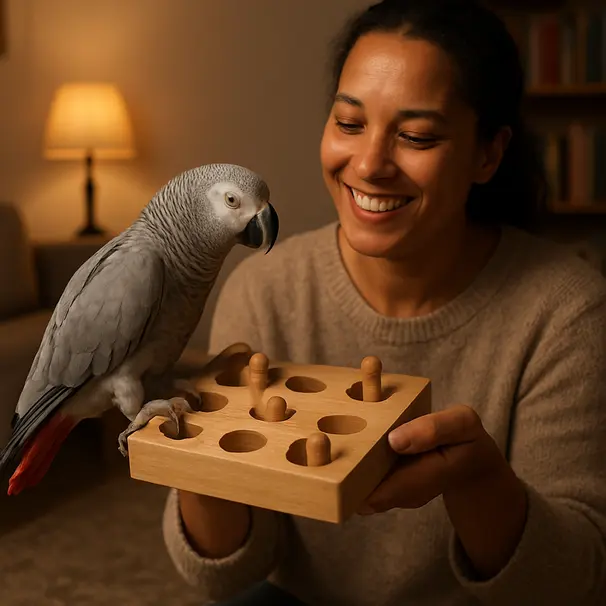
You don’t need to be a vet to notice changes. Small differences in behavior, droppings, or appetite can be the first signs that something needs attention.
Signs to watch for
- Changes in appetite or drinking habits may indicate an issue. Likewise, more fluffed feathers than usual, quietness, or reduced activity can be clues.
- Watch droppings for changes in color, consistency, or frequency. Keep a simple log if you notice anything odd. This can help a vet spot patterns.
- Be alert for breathing difficulties, visible wounds, or sudden weakness. In those cases, contact an avian vet promptly.
Regular health habits
- Schedule regular check-ups with an avian-aware vet. Preventative visits can help catch nutrition gaps or early illness.
- Keep a record of weight, molt patterns, and vaccine history if relevant. A small notebook or a shared digital note for carers can make handovers smoother.
Preparing for emergencies
- Have a list of emergency contacts near the cage: your vet’s number, an emergency avian clinic if available, and the owner’s mobile number.
- Keep basic supplies on hand: a towel, a small travel cage, and a note with dietary preferences and known allergies. Quick, calm action can help reduce stress in an emergency.
Working together: tips for pet carers and pet owners
Trusted care is built on clear communication. A few small habits can make shared caregiving feel seamless and reassuring for the bird.
Handover checklist
- Create a short, printed checklist for the bird: feeding times, portion sizes, favourite toys, out-of-cage schedule, and any behaviors to note.
- Include photos and a short video of normal behavior. Visual context can help the next carer recognize changes quickly.
Consistent routines
- Keep routines as consistent as possible between carers. Birds respond well to predictability, so try to match feeding times, sleep times, and social interaction styles.
- If you must change something, introduce it gradually and write a quick note about the reason and timing.
Respecting boundaries
- Birds have moods. A reliable carer respects when a bird wants space. Read the signs and offer treats without forcing interaction.
- Share any known anxieties in the handover notes, for example fear of new people, loud noises, or certain handling positions.
Final thoughts and gentle reminders
A happy indoor bird life comes from steady care, curiosity, and good communication. Small, consistent actions add up: fresh water, varied food, a safe environment, daily enrichment, and clear notes between carers.
If something feels off, trust your instincts. A brief call to an avian vet can help you decide the next steps. Caring for birds is a learning journey. Every bird is an individual, and with patience and attention, carers can help feathered companions flourish.
Thanks for reading. Share this guide with other carers or print a few pages for your handover folder. Little comforts and reliable routines can make a big difference to a bird’s life and the joy they bring into yours.