

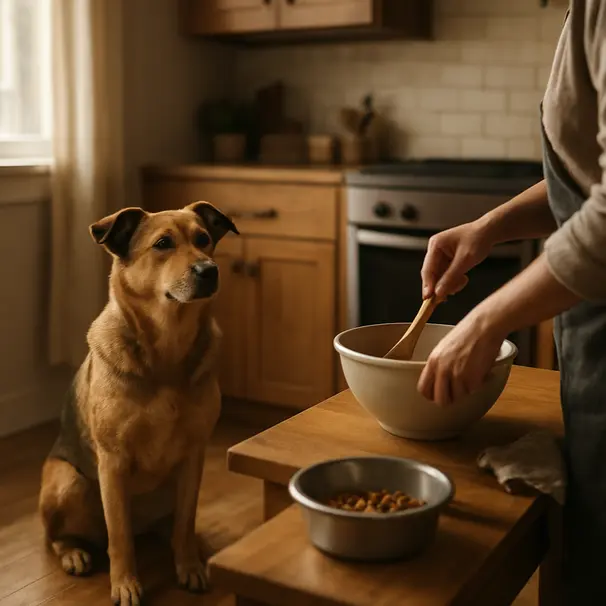
Is my dog hungry or just begging? How to tell
We all know that look: big eyes, a hopeful tilt of the head, maybe a paw on your knee. Dogs are experts at asking for food. But are they actually hungry, or have they learned that a polite whine gets them snacks and attention? Figuring out the difference helps you avoid overfeeding, keep mealtimes calm, and support your dog’s health.
This guide breaks down the signs of true hunger versus learned begging, gives simple tests to try at home, and shares training tips you can use right away. If you’re a pet carer or a dog owner, you’ll find practical steps for consistent routines and ways to reduce mealtime stress for everyone.
How true hunger shows up: behaviors and context
Hunger in dogs is usually more than just a single glance at your plate. Real appetite tends to be consistent, linked to an empty stomach and the routine of feeding. Look for these patterns:
- Regular timing. A truly hungry dog will show interest around the time they expect their meal. If your dog’s feeding schedule is consistent, they’ll often check at the usual time.
- Focused eating. When given food, a hungry dog will usually eat their meal with purpose. They won’t nibble and stroll away. The meal is the focus, not the social interaction.
- Increased sniffing or searching. Dogs may look for food in usual places, check bowls, or follow the scent to a kitchen or pantry.
- Mild whining or pacing before a meal. This is normal anticipation if it happens predictably around feeding times.
- Healthy weight trends. If your dog is underweight, eating eagerly might be due to insufficient calories. Conversely, steady weight and a healthy body condition suggest the dog is getting enough food.
Hunger can also be medical. A sudden increase in appetite, persistent scavenging, or extreme weight loss are signs to consider further assessment. These could be linked to hormonal or gastrointestinal issues, so keep an eye on sudden changes and consider consulting a vet.

Visual cues for true hunger
A hungry dog often has an appetite that’s easy to observe. They’ll show clear interest in their bowl, eat at mealtime, and come back for leftovers if offered responsibly. This is different from the theatrical pleading that sometimes shows up at the dinner table.
Signs that point toward hunger rather than begging include:
- Eating quickly and finishing their portion.
- Returning to the bowl at normal intervals.
- Showing curiosity about food storage or where meals are prepared.
- Behaviors that align with a schedule rather than random begging moments.
If these behaviors fit your dog, you can often manage feeding by tweaking portion sizes, checking calorie content, or increasing meal frequency in consultation with your vet or a qualified pet nutritionist.
How begging looks: learned behavior and context cues
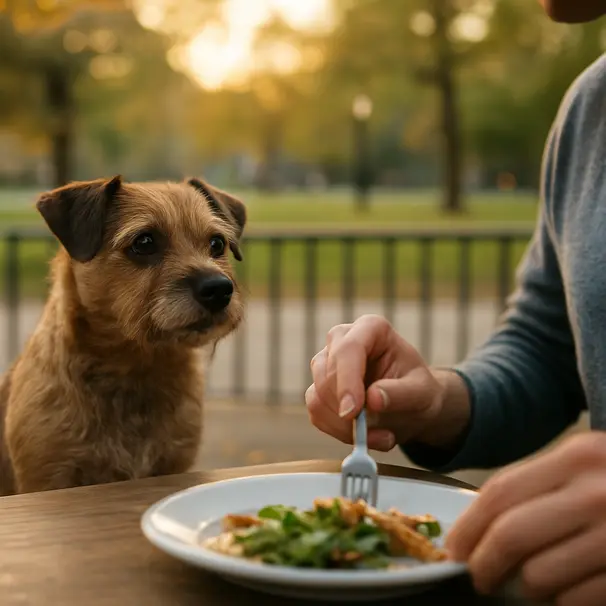
Begging is a learned response. Dogs are smart and fast learners. If sitting by the table or nudging your leg got them a scrap once, they’re likely to try again. Begging is often social. The dog wants interaction, attention, or the specific reward of human food.
Common begging behaviors:
- Bringing the dog to the table results in more begging.
- Begging happens during human food time, not just at scheduled meals.
- The dog uses eye contact, pawing, whining, or puttering about the table.
- Begging is inconsistent; it stops when you ignore or move the dog away.
The difference between begging and hunger is often the trigger. If your dog only begs when you eat and ignores their bowl at mealtime, it’s likely learned behavior, not a real need for extra calories.
Why begging persists
Humans are hard to resist. We share, we laugh, and we sometimes give in. Many dogs quickly learn that begging leads to rewards. The reward doesn’t need to be food. Attention, a pat, or even being scolded can reinforce the behavior. Understanding the reward helps you change the routine.
Simple tests and observations you can try
If you’re unsure which behavior you’re seeing, try a few low-effort tests that reveal the pattern.
- Keep a feeding log for a week. Record when you feed, how much, and any begging episodes. Patterns often become obvious after a few days.
- Offer food at unexpected times. If your dog shows strong interest only at your mealtimes but ignores food when offered between meals, it’s probably begging.
- Try a treat test. Give treats at non-meal times to see if your dog accepts them readily. A hungry dog tends to take treats whenever offered. A beggar may ignore treats when not prompted or may only beg in social mealtime contexts.
- Observe the bowl. Do they approach an empty bowl and appear focused on where food should be? Or do they pay more attention when people are eating?
- Swap types of food. If your dog suddenly refuses their dog food but begs for yours, they may be showing a preference rather than hunger.
These observations can help you make small changes that lead to big improvements.
Practical meal management: routines that help
A consistent routine is one of the easiest ways to reduce confusion for your dog. Dogs thrive on predictability, and clear mealtime rules help both of you.
- Set and keep regular meal times. Two meals a day for most adult dogs is common, but adjust based on age, activity level, and vet recommendations.
- Measure portions. Use a measuring cup and follow feeding guidelines on the food package or your vet’s plan. Track your dog’s weight and body condition.
- Avoid free-feeding unless advised. Leaving food out all day can encourage grazing and mask true hunger signals.
- Use timed feeders or puzzle feeders. These slow down fast eaters and provide mental stimulation.
- Designate a mealtime spot. Feeding in the same place helps dogs learn where and when food happens.
If you’re a carer following an owner’s routine, note exact meal times and portion sizes. Consistency between carers and owners reduces mixed messages and begging behaviors.
Training tips to reduce begging
Training changes the environment and expectations. The aim is to remove the reward that keeps begging going.
- Teach an alternative behavior. A simple command like “place” or “bed” gives the dog something to do while people eat. Reward the dog for staying there quietly.
- Ignore the begging. It’s tough, but attention is a powerful reward. If every time the dog begs you look, talk, or give a treat, the behavior will continue.
- Reinforce calm behavior. Praise and reward your dog only when they’re relaxed during mealtimes, not when they’re pestering you.
- Keep treats out of the dining area. If you occasionally feed from the table, move to a different room for snacks.
- Use time-outs sparingly. If a dog persists, calmly remove them from the room for a short period, then return and reward calm behavior.
Training takes time. Celebrate small wins and stay consistent across family members and carers. A single person giving in can set you back, so communicate the plan clearly with anyone who feeds or cares for your dog.
Enrichment alternatives to begging
Sometimes begging comes from boredom. Adding enrichment helps dogs feel satisfied outside mealtimes.
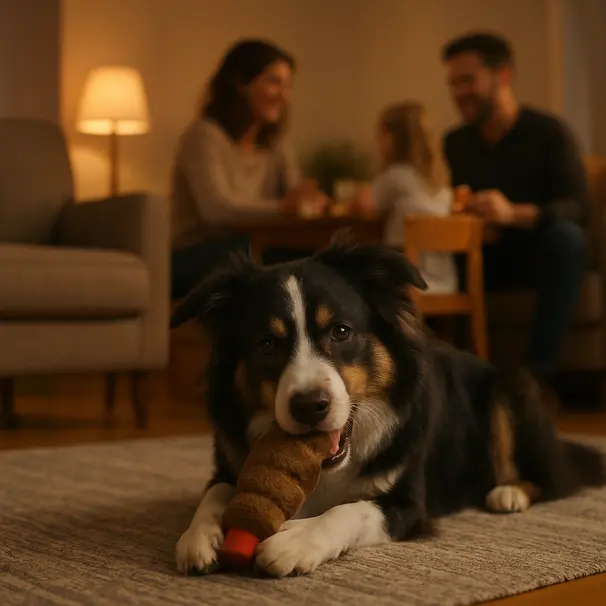
- Interactive toys. Kong toys stuffed with kibble or frozen peanut butter can keep a dog busy during family meals.
- Walks before dinner. A short walk or play session can burn off energy and make mealtime calmer.
- Scatter feeding. Spread kibble across a safe space for foraging. This slows eating and provides mental stimulation.
- Training games. Short training sessions reinforce good behavior and tire the brain.
These activities replace the social reward of begging with healthy outlets, which helps reduce the behavior over time.
When to consider a vet visit
If your dog’s appetite changes suddenly, or you see weight loss, digestive upset, or excessive thirst, consider a vet check. Medical issues sometimes present as increased or decreased appetite.
Signs that may warrant a vet visit:
- Sudden, unexplained weight loss or gain.
- Persistent vomiting or diarrhea.
- Changes in drinking habits or bathroom routine.
- Rapid, unexplained increase in appetite.
- Lethargy combined with appetite changes.
A vet can help rule out medical causes and offer guidance on diet, portioning, and feeding frequency. If a medical problem is suspected, the vet may suggest blood tests, dietary trials, or other diagnostics.

Quick checklist for owners and carers
- Keep a feeding log for a week.
- Measure food and stick to a schedule.
- Ignore begging, reward calm behavior instead.
- Use enrichment to reduce mealtime boredom.
- Talk to your vet about sudden appetite or weight changes.
Consistency is the key. When everyone who cares for your dog follows the same rules, the signals your dog sends will become clearer. Over time you’ll be able to tell if that gaze is true hunger or a clever request for more attention.
Final thoughts
Dogs are social creatures, and food is a wonderful way to connect with them. The goal is to meet real needs without encouraging constant begging. With a little patience, steady routines, and some enrichment, you can keep mealtimes peaceful and healthy.
If you’re ever unsure, have a chat with your vet or a trusted pet carer on Floofy. They can help you tailor feeding and training to your dog’s age, size, and lifestyle. Happy feeding, and enjoy those puppy eyes in moderation.