

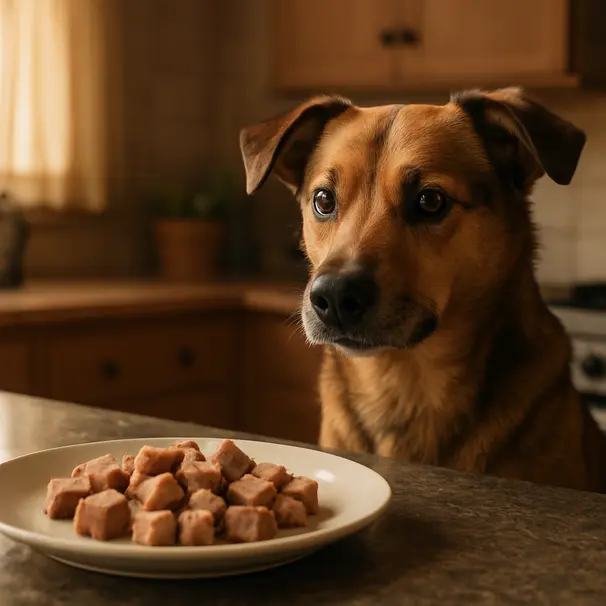
Is pork safe for dogs? The short and honest answer
Short answer: yes, many dogs can eat pork, but it comes with caveats. Plain, cooked pork — trimmed of excess fat and unseasoned — can be an occasional treat or part of a balanced meal. Raw pork, pork bones, fatty trimmings, and seasoned leftovers may cause problems, so it’s best to be cautious and informed.
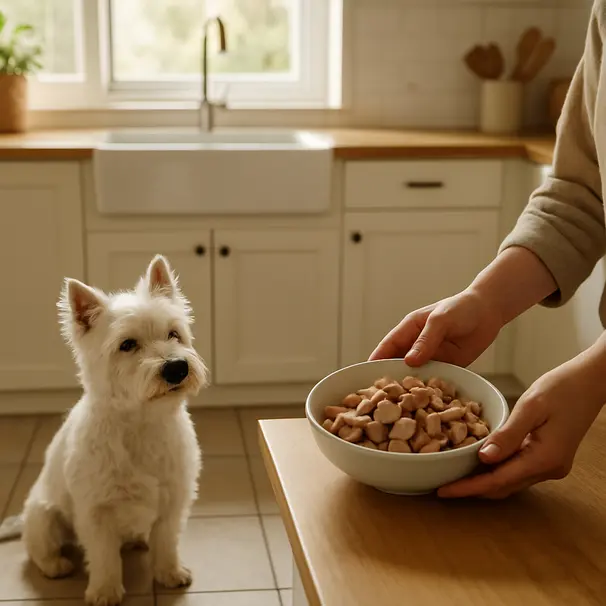
Why owners and carers ask about pork
Pork shows up a lot in households. It’s affordable, often on sale, and smells irresistible when it’s sizzling. Pet carers and owners ask about pork because it’s a common human food that dogs beg for. At the same time, anecdotes about upset stomachs, pancreatitis, and dangerous bones make people wary. Let’s sort fact from fiction, with practical tips you can use today.
Cooked pork: the safer option
Cooked, plain pork can be a safe occasional protein source for many dogs. When prepared correctly, it offers protein and some B vitamins without the additives found in processed meats.
Key pointers for cooked pork:
- Cook it fully to a safe internal temperature to reduce infection risks, but avoid charring. Consider baking, boiling, or slow-cooking plain pork.
- Remove the skin and excess fat. High-fat pieces can cause stomach upset or contribute to pancreatitis in sensitive dogs.
- Skip seasonings and sauces. Garlic, onion, salt, and many marinades can be harmful or irritating to dogs.
- Cut meat into small, bite-sized pieces for the size of your dog to reduce choking risk.
Consider serving pork as a topper, mixed into your dog’s regular food, or for training treats. Keep portions small — pork should be a treat, not the main staple unless advised by a veterinary nutritionist.
Raw pork: proceed with caution
Some pet owners follow raw feeding diets, and pork sometimes becomes part of those plans. Raw pork carries particular risks that deserve attention.
Why raw pork may be risky:
- Parasites: Historically, trichinella spiralis was a concern, though modern farming and inspections have reduced risk. Still, the possibility exists.
- Bacterial contamination: Raw pork can harbor bacteria like salmonella and E. coli that may affect dogs and people handling the meat.
If you’re considering raw pork, discuss it with your vet or a veterinary nutritionist first. They can help you weigh benefits and risks, and advise on safe sourcing, handling, and freezing protocols. For most pet owners, thoroughly cooked pork is the safer, simpler choice.
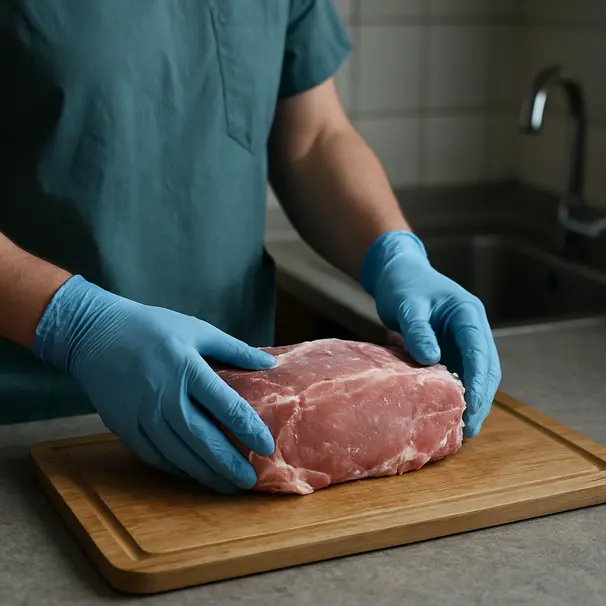
Pork bones: a tricky topic
Many dog lovers assume bones are natural and fine. Some bones are okay, but pork bones are more problematic than some others.
What to avoid:
- Cooked pork bones: They splinter easily and can cause choking, mouth injuries, or internal punctures. Never give cooked pork bones to a dog.
- Small or brittle bones: Any bone that can break into sharp pieces is risky, regardless of meat type.
If you want to give bones for chewing, consider veterinarian-approved alternatives: large raw beef marrow or manufactured dental chews designed for safety. Always supervise any chewing session and remove chews that break into small pieces.

Fatty pork and the risk of pancreatitis
High-fat meals can trigger pancreatitis in dogs, a painful and potentially serious condition. Some dogs are more sensitive than others, especially those that are overweight or have a history of gastrointestinal issues.
How to reduce risk:
- Offer lean cuts: Pork loin and tenderloin are leaner than shoulder or belly.
- Trim visible fat and remove the skin before cooking.
- Keep portion sizes small and infrequent. Think of pork as an occasional treat.
- If your dog has a history of pancreatitis, do not feed pork without veterinary guidance.
If your dog vomits, has abdominal pain, lethargy, or refuses food after eating fatty pork, contact your vet promptly.
Seasonings, sauces, and processed pork: things to avoid
Human pork dishes often come loaded with things dogs don’t need or that can be harmful.
Avoid feeding dogs:
- Garlic and onion (all forms): powdered, fresh, or cooked — these can damage red blood cells in dogs in larger amounts.
- Excessive salt: can lead to dehydration and more severe issues in extreme cases.
- Alcohol or alcoholic sauces: never share anything with alcohol.
- Xylitol: this sweetener can be life-threatening to dogs and appears in some sugar-free sauces and marinades.
- Cured or smoked pork: bacon, ham, and some deli meats are very salty and fatty, and often contain additives.
If you want to share a small taste, pick plain, unseasoned cooked pork instead. Even then, keep it minimal.
Pork as part of a balanced diet
Dogs are omnivores and can digest a range of proteins, including pork. However, balance matters. Whole, commercial diets formulated for dogs are balanced for vitamins, minerals, and amino acids. If you’re adding pork to a homemade rotation or occasional meal, aim to balance it with appropriate carbohydrates, vegetables, and supplements if needed.
If you’re considering a homemade or rotation diet that includes pork regularly, talk to a veterinary nutritionist. They can help you design meals that meet your dog’s nutritional needs without risking deficiencies.
Introducing pork to your dog safely
When offering pork for the first time, take it slow and watch your dog closely.
Step-by-step approach:
- Start with a tiny portion, like a small cube of cooked, lean pork.
- Wait 24–48 hours to observe for any signs of digestive upset or allergic reaction.
- If the small test goes well, you can increase the portion slightly, but keep pork infrequent.
- If your dog has a known food sensitivity or a long history of picky digestion, consult your vet before trying new proteins.
Signs your dog might not tolerate pork
Watch for these signs and consider stopping pork if you notice any of them:
- Vomiting or diarrhea shortly after eating
- Itchy skin, hives, or excessive scratching
- Ear infections that flare after new foods
- Changes in energy or behavior, like lethargy
If you suspect an allergic reaction, contact your vet. They may suggest an elimination diet or testing to find the culprit.
Portion sizes and frequency
How much pork is too much? That depends on your dog’s size, activity level, and overall diet.
General guidance:
- For small dogs, a teaspoon to a tablespoon of lean cooked pork as an occasional treat is plenty.
- Medium dogs can have slightly more, but keep treats under 10% of daily calories.
- Larger dogs can handle more, but again, treat calories should be limited.
A good rule is to replace no more than one meal a day with pork, and even then only as an occasional rotation. Use an online calorie calculator or ask your vet to estimate how many calories your dog needs daily.
Practical serving ideas
If you’d like to share pork safely, here are simple serving ideas:
- Plain cooked pork cubes as high-value training treats during short sessions.
- Mixed into kibble as a tasty topper, keeping the portion small.
- Gentle slow-cooked pork with vegetables, no seasonings, used as an occasional homemade meal component.
Avoid handing table scraps from heavy family meals, and never feed pork straight from a sauce-covered dish.
When to call the vet
Contact your veterinarian if your dog:
- Ate raw pork and is showing signs of illness, like vomiting, diarrhea, or unusual lethargy.
- Consumed cooked pork bones or you notice coughing, gagging, vomiting, drooling, or abdominal pain.
- Shows symptoms of an allergic reaction, such as swelling, hives, or difficulty breathing.
- Has a history of pancreatitis and consumed fatty pork.
If you’re unsure, it’s better to call early. Your vet can advise whether monitoring at home is appropriate or if an in-person visit is needed.
Quick checklist for safely sharing pork with your dog
- Choose lean cuts, trimmed of fat.
- Cook thoroughly and serve plain.
- Avoid seasonings, sauces, and cured meats.
- Never give cooked pork bones.
- Start small and watch for reactions.
- Keep pork treats occasional and consider overall caloric balance.
Final thoughts: enjoy responsibly
Pork can be a tasty, occasional treat for many dogs, and it can be handy when you need a special reward during training or a change of protein. The key is preparation and moderation. Think lean, plain, and small portions. If your dog has health issues, sensitivities, or you’re unsure about raw feeding, have a chat with your veterinarian or a veterinary nutritionist. They can help you make choices that keep your pup happy, healthy, and tail-wagging.
Remember, every dog is unique. What works for your neighbor’s Labrador may not suit your little terrier, so observe, adjust, and ask for professional guidance when needed. Happy sharing, and may your pup’s begging be gentle and well-rewarded!