


Is rosemary safe for dogs? A friendly, practical guide
Rosemary is a fragrant, familiar herb in many kitchens. You might sprinkle it on roast potatoes, grow it in a sunny window, or sniff it in a natural pet shampoo. If you’ve ever watched your dog tilt their head toward the scent and wondered if rosemary is safe, you’re not alone. This guide breaks down what we know, what to be cautious about, and how pet owners and carers can use rosemary thoughtfully.

What is rosemary and why do people use it?
Rosemary (Rosmarinus officinalis) is an aromatic evergreen herb. Humans use it for cooking, herbal remedies, household scenting, and grooming products. It’s rich in essential oils that give it a sharp, piney aroma. Those same oils are why rosemary shows up in shampoos, flea-control mixtures, and homemade dog treat recipes.
From a pet-care perspective, rosemary turns up in two main places: as a dried or fresh herb added to food and as concentrated essential oils used in grooming and cleaning products. The difference between those matters a lot for safety.
Fresh and dried rosemary: generally low risk
For many dogs, small amounts of fresh or dried rosemary used as a seasoning in plain, cooked foods may be low risk. A tiny sprinkle of finely chopped rosemary added occasionally to a dog-friendly meal is unlikely to cause harm for most healthy dogs. Consider these points:
- Quantity matters. A pinch or a teaspoon of fresh rosemary in a large batch of food is very different from a cup of raw herb on a small dog.
- Form matters. Fresh or dried rosemary is less concentrated than essential oil. It’s mostly fiber and flavor, not a potent dose of plant chemicals.
- Prep matters. Always use plain, cooked food when sharing with dogs. Avoid herb blends that include garlic, onion, or large amounts of salt.
That said, some dogs might not like the texture or smell. If your dog snubs rosemary, don’t force it. If you’re trying a tiny taste, watch for mild digestive upset and stop if you see vomiting, diarrhea, or an unusual reaction.
Essential oils and concentrated extracts: be careful
Rosemary essential oil is much more concentrated than the fresh herb. Essential oils pack the plant’s volatile compounds into a small, powerful liquid. For dogs, this concentration can be risky.
- Topical exposure: Undiluted essential oils can irritate skin, or cause redness and itching. Dogs with sensitive skin may react more strongly. Even diluted oils can cause problems if the dog licks the area afterward.
- Inhalation: Strong scents may overwhelm a dog’s sensitive nose. Some dogs show respiratory distress or coughing around heavy fragrances.
- Ingestion: Swallowing essential oils or concentrated extracts may lead to more serious signs, including drooling, vomiting, tremors, or lethargy.
Generally, avoid using undiluted rosemary essential oil on dogs. If you choose to use products containing rosemary oil, look for formulations made specifically for pets, follow label dilution instructions, and consult your vet if you’re unsure.

Signs to watch for: mild to more serious reactions
Most small exposures to fresh or dried rosemary will cause no issues. But it’s good to know what to watch for if your dog has ingested or been exposed to something with rosemary, especially essential oil.
Common, mild signs:
- Drooling or lip-licking
- Mild stomach upset, like soft stool or decreased appetite
- Mild skin redness or itching at the contact site
More concerning signs that need veterinary attention:
- Vomiting or diarrhea that is persistent
- Tremors, uncoordinated movement, or weakness
- Difficulty breathing, coughing, or wheezing
- Severe skin reactions, swelling of the face, or hives
If you suspect your dog swallowed a bottle of essential oil or a concentrated extract, contact a vet or an emergency animal hospital right away.
How much rosemary is too much?
There isn’t a one-size-fits-all number for rosemary amounts. Dogs vary in weight, age, sensitivity, and health. A tiny sprinkle for a large dog is different from the same amount for a Chihuahua.
A few practical guidelines:
- Keep it small. If you add rosemary to a dog’s meal, use a light pinch for a large dog and even less for smaller breeds.
- Chop it finely. Whole leaves can be sharp or hard to chew, and tiny pieces are easier on the digestive tract.
- Avoid regular dosing. Don’t make rosemary a daily staple in large amounts, especially for small dogs or dogs with health conditions.
When in doubt, skip it or consult your vet. They can offer advice based on your dog’s size, health history, and current medications.
Interactions and special considerations
Rosemary contains compounds that may interact with certain medications or health issues. While we avoid definitive medical claims, think about the following possibilities and check with a vet:
- Anticoagulants: Some herbs can interfere with blood-clotting medications. If your dog is on blood thinners, consult your vet before introducing rosemary.
- Seizure disorders: Aromatic herbs and some essential oils may affect neurological conditions. If your dog has a seizure history, get veterinary guidance first.
- Pregnant or nursing dogs: Hormonal changes and sensitivities mean you should be cautious with herbs and essential oils. Ask your vet for tailored advice.
Using rosemary safely around dogs
If you like rosemary and want it in your home, here are friendly, practical tips to keep your dog safe.
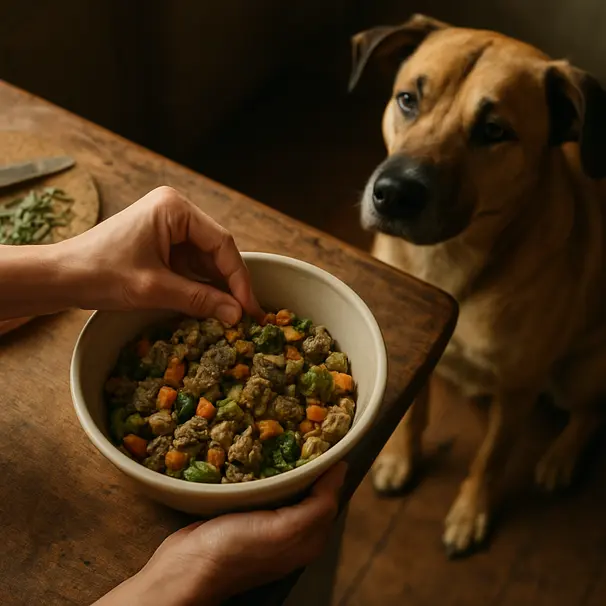
- Cooked, small amounts only. Use a tiny pinch of finely chopped, cooked rosemary in homemade dog food or treats. Avoid raw, tough leaves.
- Avoid essential oils. Keep pure rosemary oil out of reach, and don’t use it directly on a dog unless a vet advises and you use correct dilution.
- Choose pet-safe products. Buy grooming and cleaning items formulated for pets. Look for clear instructions and pet-specific dilution ratios.
- Store herbs safely. Keep herb jars, oil bottles, and concentrated extracts high up and closed tightly.
- Patch test grooming products. Try any rosemary-containing shampoo on a small area and watch your dog for skin changes before full baths.
Natural flea control and rosemary: a word of caution
You may see home remedies suggesting rosemary-infused sprays to repel fleas. While rosemary has a scent fleas may find unpleasant, homemade sprays using essential oils can risk irritation or toxicity.
Consider safer steps:
- Use vet-approved flea preventatives. These products are tested for safety and effectiveness.
- Try rosemary scent for short-term comfort. A mild, diluted rosemary rinse after a bath might smell nice, but avoid concentrated oils and keep the dog from licking the coat until it’s dry.
- Consult a professional. If you prefer natural approaches, talk with your vet or a certified pet holistic practitioner to make sure the method is safe and appropriate.
Tips for pet carers and sitters
As a pet carer, you want to leave the owner’s home smelling fresh, and you want the dogs to be cozy. Keep these practical habits in mind:
- Ask owners about any herbs or essential oils in the home. Some dogs have sensitivities, or owners may prefer certain products avoided.
- Avoid using your own essential oils on a dog without permission. Even a small drop from a diffuser can bother a sensitive pup.
- Store all herbs and oils out of reach. Dogs are skilled at counter-surfing, and curious noses can lead to trouble.
- Note any reactions. If you bathe a dog with a product that contains rosemary, record the product used and watch for signs of itching or digestive upset.

Alternatives to rosemary for flavor and grooming
If you want to add a bit of natural scent or flavor without rosemary, consider safer options, always checked with a vet first:
- Parsley: In very small amounts, fresh parsley can freshen breath. Avoid if your dog has a kidney issue.
- Plain cooked herbs like basil: When used sparingly, basil is often well tolerated.
- Pet-safe shampoos with mild botanical extracts: Choose brands formulated for dogs and avoid concentrated essential oils.
Every pet is an individual. What suits one dog may not suit another, and conservative choices usually work best.
When to call your vet
Call your vet if you notice worrying signs after exposure to rosemary or any essential oil. Immediate contact is important for severe reactions, such as difficulty breathing, collapse, seizures, or significant vomiting.
For milder concerns, a quick message or phone call can help you decide whether a home watch-and-wait approach is okay or if an office visit is better.
Quick FAQ
Q: Can dogs eat rosemary in dog food? A: Small, well-cooked, and finely chopped amounts may be okay for many dogs. Keep portions tiny and avoid daily use in large amounts.
Q: Is rosemary essential oil safe on my dog’s skin? A: Undiluted essential oil is risky. Only use pet-formulated products and follow dilution guidance from a vet.
Q: My dog licked rosemary oil—what now? A: Contact your veterinarian or an emergency clinic. Have the product label available and follow their instructions.
Final thoughts: enjoy the scent, stay sensible
Rosemary can be a delightful herb in our homes, and small culinary uses are often low risk for most dogs. The bigger risks come from concentrated essential oils and large amounts of raw herb. Keep quantities small, choose pet-specific products, store herbs and oils safely, and ask your vet if you’re unsure.
As a pet owner or carer, your warm, careful choices help dogs enjoy life without unnecessary risk. If you ever feel worried after exposure, a quick consult with your vet can bring peace of mind and the best next steps. Happy sniffing, and may your walks be rosemary-scented and trouble-free.