


Is rosemary safe for dogs? Vet’s advice
Rosemary smells like Sunday dinners and warm gardens. It’s one of those herbs many of us keep within reach, and it also shows up in dog shampoos, sprays, and natural home remedies. If you’ve ever wondered whether rosemary is safe for your dog, you’re not alone. Let’s unpack what rosemary is, how it might affect dogs, and practical steps you can take to keep your furry friend safe and comfortable.

What is rosemary?
Rosemary is a fragrant herb from the mint family. People use it fresh or dried in cooking, and extracts or essential oils appear in grooming products. The plant contains natural compounds like rosmarinic acid and certain volatile oils. In small amounts, these can add flavor or scent, but concentrated forms behave differently.
A quick chemistry note, gently
Those natural compounds are why rosemary smells so good, and why it sometimes gets used in herbal remedies. But that same potency means you should treat concentrated rosemary products with a little more respect than the sprig you toss on a roast. Consider how strong a product is before offering it to your dog or using it around them.
Can dogs eat rosemary?
Short answer, in a friendly tone: yes, small amounts of fresh or dried rosemary as a seasoning are usually considered safe for many dogs. Some pet foods and treats contain rosemary extract as a natural preservative. That said, “usually” is important. Dogs vary widely in size, sensitivity, and health. What’s fine for one dog may cause tummy trouble for another.
A few practical points:
- Small amounts used in food, like a pinch of dried rosemary mixed into a meal, may be okay for adult dogs.
- Avoid giving large quantities of fresh rosemary as a snack. The tough leaves can be hard to chew and may irritate the mouth or digestive tract.
- Puppies, senior dogs, or dogs with preexisting conditions may be more sensitive and should be given extra care.
If you want to add flavor to your dog’s food, consider testing a tiny amount first and watching for changes in appetite, stool, or behavior. And when in doubt, ask your vet for tailored advice.
Rosemary essential oil: caution advised
This is where things get important. Rosemary essential oil is a concentrated form of the plant’s volatile compounds. Essential oils are not the same as a fresh leaf in a stew. They can be potent and may cause adverse reactions if ingested or applied to skin.
Consider these safety notes:
- Essential oils can be irritating to skin and mucous membranes. If you choose a grooming product with rosemary oil, make sure it’s specifically formulated for dogs.
- Never apply undiluted rosemary essential oil directly to your dog’s fur or skin. It may be too strong.
- Ingesting concentrated oil can cause drooling, vomiting, diarrhea, or breathing issues in some pets.
If a product smells strongly of rosemary, check the label for dog-specific use and dilution. When in doubt, opt for formulations vetted by a veterinarian or reputable pet-care brand.
Symptoms to watch for if your dog eats rosemary or is exposed
Most dogs will be fine after tasting a little rosemary. Still, it helps to know what signs could mean a problem. Look out for:
- Mild digestive upset: vomiting, diarrhea, or decreased appetite
- Drooling or pawing at the mouth if something tastes or smells unpleasant
- Excessive lethargy or weakness
- Skin irritation where rosemary oil or product was applied
- Coughing, wheezing, or trouble breathing in rare severe reactions
If you spot any worrying symptoms, call your vet. If your dog has trouble breathing, collapses, or shows severe allergy-like signs, seek emergency care right away.
What to do if your dog eats a lot of rosemary
A single bite of rosemary is rarely a crisis, but a large amount or concentrated oil is different. Here’s a practical step-by-step approach:
- Stay calm and keep your dog calm. Fast movement can raise their heart rate and worsen symptoms.
- Remove any remaining rosemary or product from reach.
- Note the amount and type: fresh leaves, dried herb, crushed seasoning, or essential oil. Take the product packaging or a photo if possible.
- Call your veterinarian for advice. They may suggest monitoring at home or asking you to bring your dog in depending on the amount and symptoms.
- If the product contains essential oil or your dog shows severe symptoms like trouble breathing, contact emergency veterinary services immediately.
A vet will guide you based on your dog’s size, health history, and the substance involved. It’s always better to call and check than to guess.
Using rosemary in grooming and home products
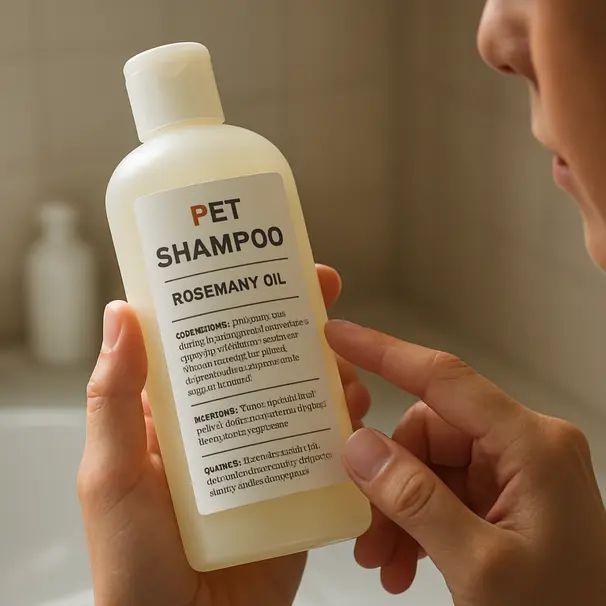
Rosemary appears in some natural dog shampoos and flea sprays. It can lend a pleasant scent and may have mild antimicrobial properties. If you choose rosemary-containing products, keep a few practical pointers in mind:
- Pick products formulated specifically for dogs. Human shampoos and oils can have higher concentrations and additives that dogs don’t tolerate.
- Patch test new products on a small area and wait 24 hours to see if irritation develops.
- Rinse shampoo thoroughly. Residue can irritate skin or be licked off.
- Avoid products with undiluted essential oils. Look for safe dilution levels and vet-recommended brands.
If your dog has sensitive skin, allergies, or a history of reactions, consult your vet before trying new grooming products.

Allergies and individual sensitivity
Just like people, dogs can have individual sensitivities. Some dogs may develop contact dermatitis from herb extracts. Signs include redness, itching, hair loss, or scabs. Food sensitivities may show up as chronic ear infections, itchy skin, or gastrointestinal upset.
If you suspect your dog is reacting to rosemary or another ingredient, stop using the product and visit your vet. They may suggest allergy testing or a simple elimination trial to find the culprit.
Safe alternatives and gentle options
If you’re worried about rosemary but still want natural options for scent or grooming, consider these gentler choices:
- Oat-based shampoos for sensitive skin
- Chamomile-infused washes to soothe irritated skin
- Unscented products with vet-approved preservatives
- Short, supervised use of mild herbal rinses if cleared by your vet
Remember that “natural” doesn’t always mean “safe for every pet.” Always check concentrations and consult a vet when trying new things.
Common questions pet owners ask
Can rosemary prevent fleas on dogs?
Rosemary may have a mild repellent effect in traditional remedies, but it’s unlikely to replace proven flea control. If fleas are a concern, discuss effective prevention and treatment with your vet. They can recommend safe topical or oral options for your dog’s lifestyle.
Is rosemary safe for puppies?
Puppies can be more sensitive to herbs and essential oils. It’s wise to avoid adding rosemary to a puppy’s diet or using rosemary essential oil around them without veterinary guidance.
Can dogs smell rosemary and be affected?
Smelling fresh rosemary is generally not harmful. However, strong concentrated scents from essential oils may irritate sensitive dogs or trigger coughing in dogs with respiratory conditions.
Practical tips for pet owners and carers
- Store herbs and essential oils out of reach, ideally in a locked cabinet.
- Read ingredient labels on pet products and avoid high concentrations of essential oils.
- When using herbs in homemade dog treats, use tiny amounts and observe your pet.
- If you’re a pet carer, ask owners about allergies or sensitivities before trying new grooming products.
- Keep emergency vet contact details handy and know the nearest 24/7 animal hospital.

When to call the vet
Call your veterinarian if your dog:
- Ate a large quantity of rosemary, especially concentrated oil
- Shows repeated vomiting or diarrhea
- Has difficulty breathing, severe lethargy, or collapses
- Develops a rash, swelling, or intense itching after contact with a product
The vet will want to know what your dog ingested, when, and any existing health concerns. Having that information ready helps them give quick, helpful advice.
A caring wrap-up
Rosemary is a lovely herb that can appear in food and pet products. For most dogs, small amounts of fresh or dried rosemary are probably fine. Concentrated rosemary essential oil deserves caution. Your dog’s size, age, health history, and individual sensitivity all matter. If you ever worry, a quick call to your veterinarian is the kindest step. They can provide specific guidance and help you keep your dog safe while enjoying the little comforts of home.
If you’re a pet carer or sitter, asking about known allergies and keeping careful records of products used will make both owners and dogs breathe easier. A bit of common sense and a vet’s opinion go a long way toward keeping tails wagging.
If you want, I can help draft a short owner questionnaire to use before grooming or a checklist of pet-safe products. Just say the word and we’ll make it Floofy-friendly.