

Introduction
Leaving for a week and leaving your dog with a dog sitter can make your heart race, both from the excitement of travel and from your affection for your furry friend. With careful preparation, many worries can turn into peace of mind. In this guide you will find practical steps and calm advice, useful for both owners and pet carers who want to offer a reassuring and professional service.
Before departure: practical organization
A good start is half the work. Spend a few days before departure organizing everything related to your dog’s daily life, so the dog sitter will have everything under control.
Essential documents and information
Prepare a folder with information the dog sitter might need to consult quickly. Include a copy of your dog’s ID card if available, emergency phone numbers, your veterinarian’s contact information, and information about allergies or medications. Write down the routines: meal times, walks and special habits, such as how he likes to play or when he prefers to be left alone.
Food, medications and supplies
Bring a sufficient supply of food and make sure it is well labeled. Highlight dosages and times for medications. If your dog uses supplements, sprays or lotions, leave clear instructions on how to administer them. Consider leaving a small kit with spare leashes, waste bags, towels and a dog blanket, so the sitter will have everything at hand.
Preparing the environment
Leave the house so your dog can move around comfortably. If there are closed rooms, explain the reasons and point out preferred spaces. Make available familiar objects such as bed, favorite toys and a shirt with your scent, which can provide comfort. If your dog has access to the garden, make sure it is safe, without toxic plants and with solid fences.
Trial meetings and introduction
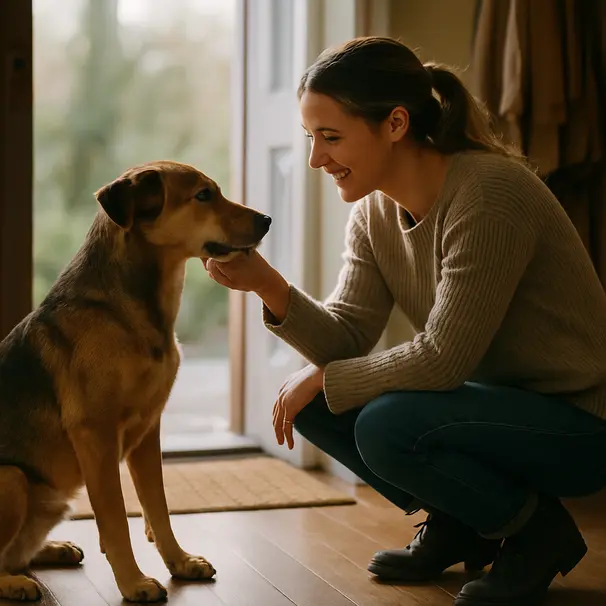
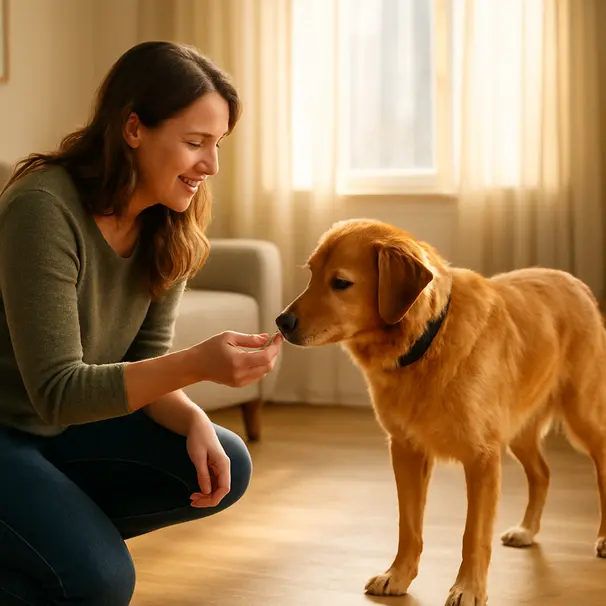
Arrange at least one introductory meeting between the dog sitter and your dog. One or two short visits before departure help your dog become familiar with the new person. Observe how they behave together, give the dog space to explore the sitter, and let the sitter practice a short walk or guided play.
How to choose the right dog sitter
Choosing the right person requires attention. You don’t need to look for perfection, but someone reliable, attentive and who understands your dog.
Experience and references
Ask about previous experience and verifiable references. A good sitter will be able to tell similar cases, how they handle separation anxiety or how they behave with elderly or very active dogs. Read reviews and, if possible, talk directly with other owners who have already used the service.
Communication and flexibility
An excellent dog sitter communicates clearly. Before you leave, agree on how and when to receive updates: daily photos, short messages or evening videos. Also verify flexibility in case of last-minute changes, and make sure the sitter knows how to behave in emergency situations.
Insurance and training
Ask if the sitter has liability insurance, and if they have taken pet first aid courses. It is not mandatory for all sitters, but it can provide greater peace of mind. If your dog has special needs, look for someone with specific training or direct experience.
Practical trial
If you are unsure between multiple candidates, arrange a short half-day trial. Observe how the sitter manages the routine and assess your dog’s comfort level. This test can remove many doubts before a full week of care.
Routine and behavioral advice
Maintaining routine helps your dog feel stable. Try to transfer all useful information to the sitter to reproduce it as faithfully as possible.
Walks and physical activity
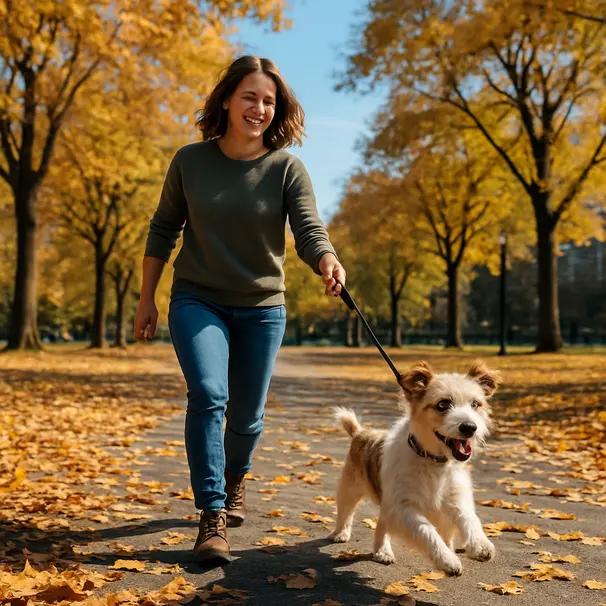
Specify the duration and intensity of walks. Some dogs need long runs, others prefer quiet walks. Recommend favorite routes and explain how your dog behaves with other dogs or with strangers. If your dog is used to mental games, leave puzzles or interactive toys that can help burn energy even indoors.
Managing separation anxiety
If your dog is prone to separation anxiety, suggest strategies that have worked in the past. This can include brief calming exercises before departure, leaving a toy spiced with rewards, or setting regular intervals of presence and absence during the initial days. It can also be helpful to record a short ‘voice guide’ with your voice for the sitter, so your dog can listen to your voice when needed. Consider consulting your veterinarian or a behaviorist if anxiety is marked, for additional suggestions.
Communication during the week
Maintaining a direct line with the dog sitter is essential for your peace of mind and your dog’s well-being.
Types of updates
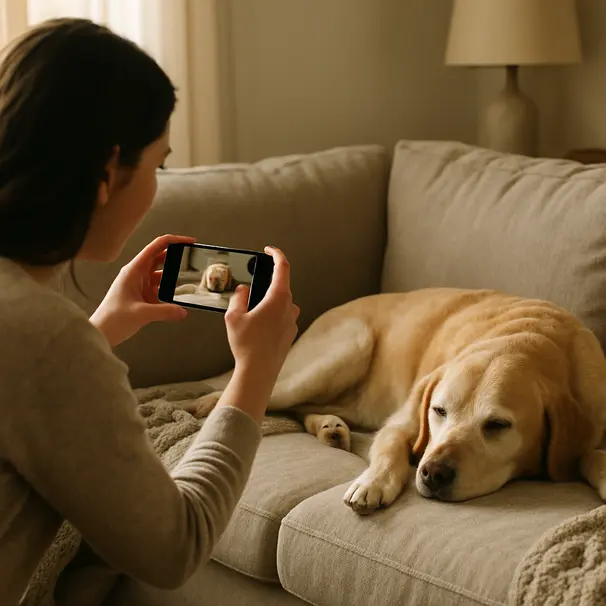
Decide in advance the frequency and format of updates. Many owners appreciate morning and evening photos and a mid-day summary message. Avoid asking for continuous updates, they can be stressful for the sitter and your dog. Trust the agreed plan, but remain available for any emergencies.
Emergency management
Share useful numbers: your contact, that of a local reference person, the veterinarian and the nearest emergency clinic. Clear instructions on how to proceed in case of injury or illness can save precious time. Also agree on a spending cap for non-deferrable interventions, so the sitter knows when to proceed independently and when to contact you.
Upon return: reintroduction and feedback
The return is an important moment to re-establish routine and gather useful information for the future.

First hours after return
Spend time with your dog in the first hours after your return. Despite the joy, avoid overstimulating your dog with too much movement or immediate visits. A quiet walk and a regular meal help restore calm. If your dog seems nervous or confused, allow gradual spaces and light play moments.
Talking with the dog sitter
Have a debriefing with the sitter: report any changes in behavior, notes on appetite, sleep or walks, and suggestions for improvement. Thank them and leave an honest review, this helps other owners choose and rewards attentive sitters. If something didn’t work, state the facts calmly and seek constructive solutions together.
Quick checklist for leaving peacefully
- Folder with documents and emergency contacts
- Food supply and administration instructions
- Medications and detailed dosage plan
- Leashes, toys and familiar objects
- Trial meeting with the sitter
- Agreed communication plan
- Instructions for any urgent medical expenses
Frequently asked questions
How much is it worth leaving your dog with a sitter instead of boarding?
It depends on your dog’s character. Some animals prefer to stay in their environment, others enjoy the sociability of boarding. Leaving your dog at home with a sitter can reduce stress from change, but assess your dog’s level of socialization and medical needs.
Can the dog sitter administer medications?
Many sitters are happy to administer medications if properly instructed. It is important to leave written information on dosages and times. If the medication is complex, consider finding a sitter with specific experience or ask for veterinary support.
What if my dog escapes or gets lost?
Agree on an emergency plan: report immediately to local authorities, share information and photos, and activate the microchip through your veterinarian. Make sure the dog sitter knows where the documents are and how to proceed.
Conclusion
Leaving your dog for a week with a dog sitter requires attention, but it is a common and manageable task. With the right information, preliminary meetings and a good relationship of trust with the sitter, most dogs experience the experience without problems. Remember to prepare everything calmly, communicate clearly and be flexible. Have a good trip and good care for your four-legged friend.