

Leaving Your Pet with a Trusted Pet Carer for Travel
Travel brings excitement, restlessness and sometimes a little guilt for pet owners. You love your pet and you want them looked after as kindly as you would. Finding and preparing a trusted pet carer can turn a nerve-wracking goodbye into a calm, happy stay. This guide walks you through the whole process, with practical tips and warm encouragement from pet lovers who’ve done it before.
Before you go: planning and mindset
Start early. Giving yourself time to find the right person and to help your pet adjust will pay off. Think of this as setting the scene: reliable routines, clear instructions and trust between you and the carer.
- Make a timeline. Book the carer well in advance, schedule a meet-and-greet, and plan a test day if possible. That extra rehearsal can ease stress for everyone.
- Prioritize routine. Pets thrive on consistency. Write down meal times, walk schedules, medication instructions and how your pet likes to relax.
- Prepare emotional support. Some pets get worried during transitions. Leave a worn t-shirt, a favorite blanket or a calming pheromone diffuser, and let your carer know what soothes your friend.
A calm owner helps a calm pet. If you can leave with a peaceful heart, that feeling often travels home with you.
Choosing a trusted pet carer
Finding the right carer is part practical, part chemistry. You want someone experienced, vetted, and also someone your pet clicks with.
Where to look
- Use trusted platforms where carers are reviewed and background-checked.
- Ask for recommendations from friends, groomers or your vet.
- Look for carers with clear profiles, photos and a history of consistent positive reviews.
What to ask in a meet-and-greet
Meeting in person is essential. A quick video call is okay for first impressions, but nothing replaces a real-life interaction.
- Ask about experience, especially with your pet’s breed, age and special needs.
- Check availability and flexibility. Confirm who will be the primary carer, and whether substitutes are used.
- Talk about emergency plans. Where will your pet go if the carer is unavailable? What are the vet arrangements?
- Discuss personality. Does the carer use gentle praise, toys, or treats? Will they reinforce your training choices?
Watch how the carer interacts with your pet. Do they move at your pet’s pace? Do they respect signals like a tucked tail or a turned head? Chemistry between pet and carer matters more than a long list of qualifications.
Practical checks
- Confirm insurance and first-aid knowledge. Ask if the carer has pet liability insurance and basic pet first-aid training.
- Verify references. A few short calls to previous clients can reveal consistency and reliability.
- Agree on clear fees and cancellation terms. Surprises are stressful; transparency builds trust.

Preparing your pet for the stay
A little preparation helps your pet feel safe and confident while you’re away.
Practice stays and short separations
If this is your pet’s first time away from you, consider a short trial stay with the carer or a one-day visit. These practice runs help your pet learn the routine and help you see how they respond.
Pack the comfort kit
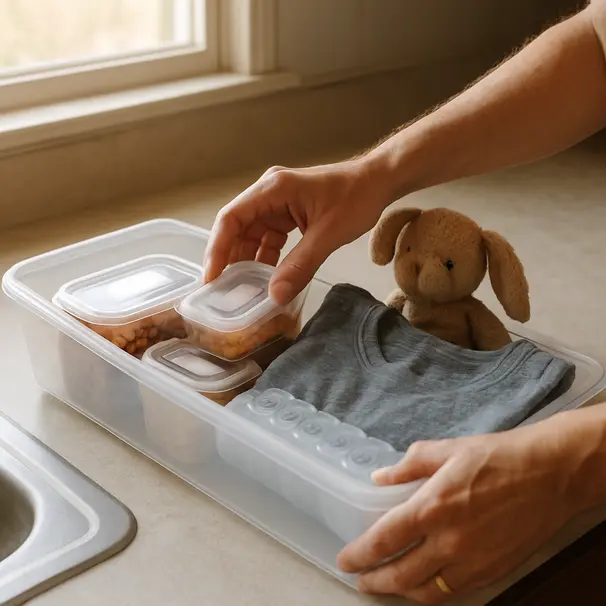
Create a small kit for your pet and leave it with the carer. Include:
- Enough food for the full stay, plus a little extra in case of travel delays.
- Clear feeding instructions, including portion sizes and any dietary quirks.
- Medication with written dosing instructions and a schedule.
- Favorite toys, bedding and a familiar-smelling item of yours.
- Grooming tools and any training aids you use.
- Your vet’s contact details and authorization to seek care if needed.
Label everything clearly. It sounds simple, but it can prevent last-minute guesswork.
Health and safety prep
Consider a brief vet visit before travel to confirm vaccinations, update flea and tick prevention and address any concerns. If your pet has chronic conditions, make a concise medical summary for the carer. Use phrases like “consider contacting the vet if…” instead of definitive medical claims.
If your pet requires medication, show the carer exactly how to administer it. A hands-on demonstration clears up confusion.
Behavior notes
Share specifics about how your pet communicates. Does your dog freeze when nervous? Does your cat hide under beds? Note any triggers and preferred calm-down techniques. Small details like “he loves a slow neck rub” can make a big difference.
On the day: handover and routines
The handover moment sets the tone for the whole stay. Keep it calm and thorough.
- Arrive prepared. Bring the comfort kit, documents and a printed routine sheet.
- Walk through the home together. Show where food, bowls, leashes and litter boxes live.
- Introduce sleeping spots and any off-limit rooms.
- Demonstrate feeding and medication steps. Have the carer perform them once while you watch.
Avoid long, dramatic goodbyes. A short, confident departure can help a pet settle faster. If your pet seems very anxious, ask the carer to give them a few quiet minutes before you leave.
Small gestures help trust: leave a note with encouraging details, and tell the carer how you’d like updates.
Staying connected while you’re away
One of the best parts of modern pet care is staying connected. Many carers send photos, short videos and brief updates. Decide ahead how much contact you want.
- Agree on frequency. Daily photos? A midday check-in? Decide what soothes you and what distracts your pet.
- Choose clear formats. Short video clips are great for behavior glimpses; photos work for tranquil moments.
- Ask for specific progress notes. Instead of just “all good,” request details like appetite, walks, playtime and any unusual behaviors.
If your pet has a camera-accessible area, you may be able to check in live. Use this sparingly. Some pets react to voices on video, and you don’t want to create extra stress during your trip.
Be respectful of the carer’s time. If you want lots of updates, consider arranging a slightly higher rate for more frequent communication.
If something goes wrong: emergencies and problem-solving
No one wants to think about the worst, but planning reassures everyone.
- Emergency contacts: Provide your vet’s number, an emergency clinic near the carer, and an alternate contact who can make decisions if you can’t.
- Authorization: Sign a simple authorization for the carer to seek veterinary care if needed. Clarify any spending limits.
- Behavior issues: If your pet shows new or worsening behavior, ask the carer to contact you first. Consider a virtual vet consult for non-urgent concerns.
Stay calm and collaborative. Most problems are manageable with quick communication and a little flexibility.
Returning home and settling back in
The reunion is joyful, but a slow reintroduction can help maintain the good habits your pet learned during the stay.
- Ease back into routine. Keep feeding and walk schedules consistent for a few days.
- Give space. Your pet might be excited or confused. Watch their body language and offer quiet affection.
- Debrief with the carer. Ask about any changes, what worked well and what might need attention.
If your pet developed a new habit you don’t like, respond calmly. Consistent, gentle reinforcement can help rebuild preferred behaviors.
Tips for a smoother experience, from carers and owners
- Keep a digital folder with essential files: medical records, temperament notes and your contact list.
- Label items. Pets are curious and bowls or toys can wander.
- Bring backups. A second bag of food or an extra leash can be a lifesaver.
- Trust, but verify. Read a few reviews, check references and still trust your instincts.
- Tip and say thank you. A thoughtful note or small gratuity goes a long way toward building a lasting relationship.
Quick checklist before you leave
- Book and confirm carer, meet-and-greet completed
- Comfort kit packed and labeled
- Written routine, medications and vet info provided
- Emergency authorization and contacts shared
- Home tour and feeding demonstration done
- Agree on updates and payment terms
Leaving your pet with someone else may feel strange at first, but with careful planning and the right carer it can be a happy, safe experience for your furry friend. Think of it as building a small team who loves your pet almost as much as you do. Travel with peace of mind, and come home to a wagging tail or a content purr.
If you have specific concerns about health or complex medical needs, consider consulting your vet before travel. They can help with tailored advice.
Good travels, and warm snuggles on your return.