

Living with Dogs: Practical Tips for the Pet Carer and Dog Owner
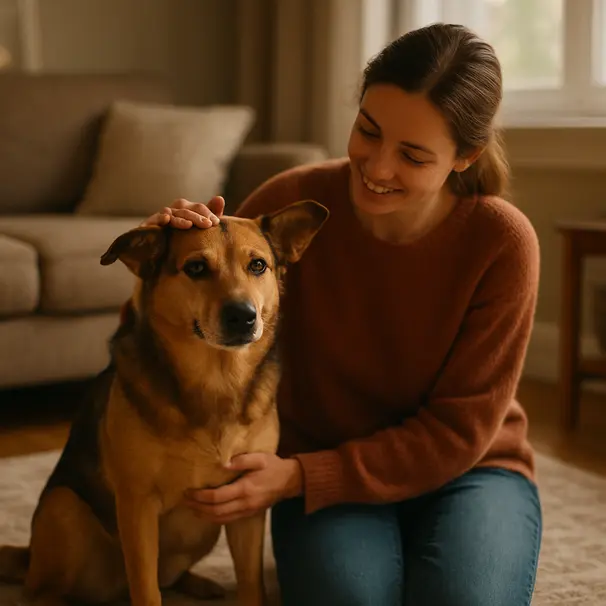
Bringing a dog into everyday life is one of the warmest things you can do. It also asks for thoughtfulness, consistency, and teamwork between the dog owner and anyone caring for that dog. This guide is full of practical, experience-tested tips you can use whether you are a regular pet carer, a new sitter, or the primary dog owner. Expect friendly advice on routines, safety, training, grooming, and keeping transitions calm.
Start with a Clear Plan
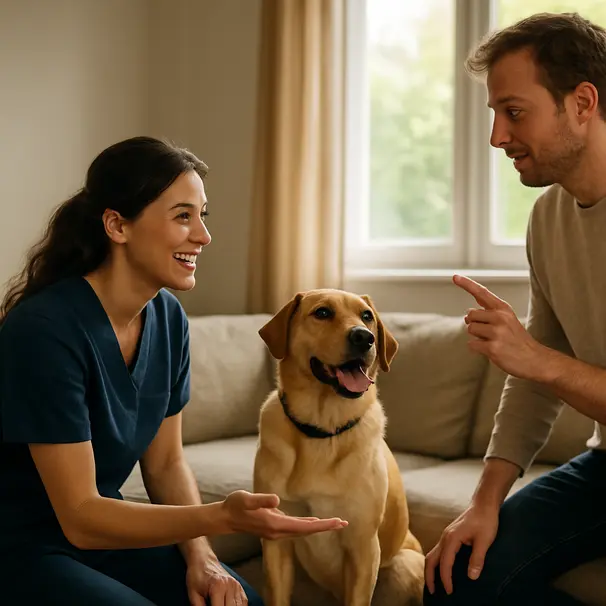
The smoother a dog’s routine, the calmer they tend to be. Before the first day of a new caregiving arrangement, sit down with the owner and map out the essentials.
- Daily schedule: Walk times, feeding times, preferred play sessions, and nap routines.
- Food and treats: Brand, portion size, and where kibble is stored. Note any food sensitivities.
- Medical details: Medication timing, dosage, and the vet contact information.
- House rules: Areas that are off-limits, furniture policies, and acceptable chews.
Having this written and accessible prevents guesswork. A short checklist on your phone or a laminated card at the owner’s home can save lots of questions and reduce stress for the dog.
First-Visit Walkthrough
If possible, arrange a brief meeting with the dog at the owner’s home before any extended stay. Walk the backyard and home with the owner present. Watch how the dog responds to commands and cues. This helps build rapport and gives you a sense of the dog’s triggers and comforts.
Safety and Health: Practical Habits
Safety is nonnegotiable. Keep the basics consistent and double-check items that often cause problems.
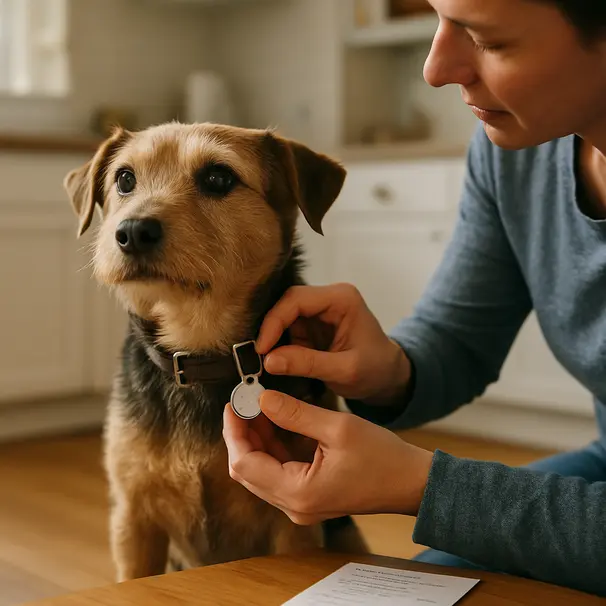
- ID and microchip: Confirm the collar has updated ID tags and the owner has a microchip registered with current contact details.
- Emergency plan: Where is the nearest vet? Who to call if the owner is unreachable? Keep emergency numbers visible.
- Hazard check: Scan the home for toxic plants, loose wires, small objects, and food on countertops. Dogs are curious and fast.
- Medication handling: Use labeled containers and a checklist to track doses. If a dog seems off after medication, consider contacting the vet.
When in doubt about a health concern, encourage the owner to call their vet. Use wording like, consider calling the vet, and avoid making medical claims yourself.
Daily Routines That Reduce Stress
Dogs thrive on predictability. Simple habits can make a big difference.
- Consistent walk times: Aim for similar times each day. Predictable exercise helps energy levels and bathroom patterns.
- Feed in the same place: This reduces guarding behavior and helps digestion. For multi-dog homes, consider feeding separately.
- Short training sessions: Five minutes twice a day of reinforcement on sits, recalls, and calm behavior can pay huge dividends.
- Calm arrivals and departures: Keep drop-offs and pick-ups low-key to prevent separation anxiety.
For carers, keeping a brief diary of walks, appetite, and mood helps the owner know the dog was cared for attentively. A quick photo and a sentence or two go a long way.
Potty and Crate Routines
If the dog uses a crate, respect their crate time and the owner’s rules. Crates can be comforting when used properly. When housetraining, follow the owner’s schedule for outdoor trips and praise, and remember accidents happen. Clean up calmly, and avoid scolding the dog after the fact.
Training Tips That Help Everyone
Good manners make life easier for owners and carers. Focus on simple cues and positive reinforcement.
- Reinforce existing training: Stick to cues the dog already knows, like sit, stay, leave it, and come.
- Reward calm behavior: Offer treats or affection when the dog settles down instead of only rewarding high-energy behaviors.
- Manage greetings: Teach visitors to ignore excited dogs until they settle. This reduces overly enthusiastic jumping.
- Use tools wisely: A front-clip harness or head halter can help on walks. Make sure any tool the owner uses is fitted correctly.
If you plan to introduce new training techniques, talk with the owner first. Small, consistent steps are best. Consider suggesting short training homework that owners can continue to reinforce between sessions.
Grooming and Comfort
Grooming keeps dogs healthy and comfortable. Carers should know the basics and ask about any breed-specific needs.
- Brushing: Regular brushing reduces shedding and helps you check for ticks, lumps, and skin issues.
- Bathing: Follow the owner’s routine and use their products when possible. Overbathing can dry a dog’s skin, so consider suggesting a vet if skin issues appear.
- Nail trims and paw care: If you’re not comfortable trimming nails, note wear patterns on walks and suggest a groomer if trimming is needed.
- Comfort items: Bring or locate the dog’s favorite bed, toys, and a blanket that smells like home during overnight stays.
Keep grooming sessions positive. A few treats and a gentle tone help dogs enjoy the process.
Handling Separation and New Environments
Transitions can be the hardest part. Dogs need reassurance and gentle exposure to new places.
- Short practice separations: Start with brief departures and build up time slowly for dogs who show anxiety.
- Leave familiar scents: A worn shirt or a favorite toy can calm a dog in a new space.
- Keep routines similar: Try to mirror the owner’s schedule for walks and meals during stays.
- Quiet enrichment: Puzzle feeders, treat-dispensing toys, and chew-safe bones can keep a dog occupied and reduce stress.
If a dog shows severe distress, encourage the owner to consult a behaviorist or their vet. Use soft language like may benefit from professional help.
Walking Smart: Safety, Etiquette, and Fun
Walks are a highlight for many dogs. A few habits make them safer and more enjoyable.
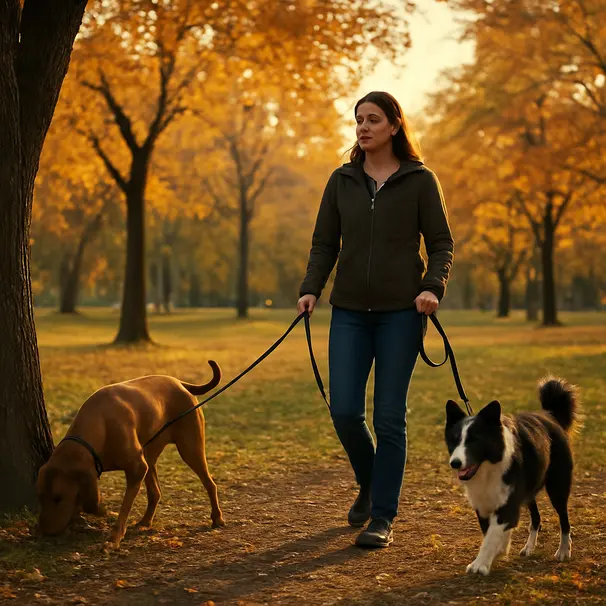
- Plan for the route: Know the area, possible off-leash spaces, and any hazards like busy roads or wildlife.
- Keep control near others: Shorten the leash in busy areas and be proactive about space around other dogs, cyclists, and children.
- Clean up: Always carry waste bags and leave places as tidy as you found them.
- Weather-wise choices: On hot pavement, walk earlier or later. In very cold weather, consider protective booties or shorter walks.
Remember, a tired dog is often a happier dog at home. Combine physical exercise with mental tasks like scent games to satisfy their curiosity.
Enrichment That Keeps Minds Bright
Physical exercise is key, but mental stimulation often matters even more. Mix play, training, and problem-solving.
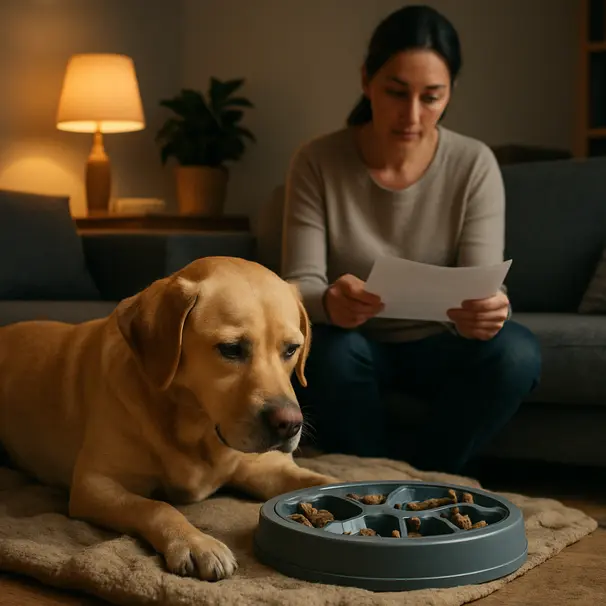
- Puzzle toys: Hide kibble in a puzzle feeder to stretch mealtimes and engage the brain.
- Scent games: Hide treats around a room or yard and encourage the dog to find them using their nose.
- Interactive play: Short fetch sessions, tug games, and hide-and-seek can be great. Watch for signs of overexcitement and switch to calmer activities if needed.
- Rotate toys: Put some toys away for a few days and reintroduce them later. They feel new again.
Enrichment can be adapted for indoors and outdoors, rainy days and sunny afternoons.
Working with Owners: Communication and Trust
A good caregiving relationship is built on clear communication and respect.
- Ask questions: If anything feels unclear, ask. Owners appreciate carers who check details rather than guessing.
- Share highlights and concerns: A quick message about a fun walk or a small worry helps keep everyone on the same page.
- Respect boundaries: Follow house rules about furniture, feeding, and leaving doors or gates.
- Feedback loop: Owners and carers can learn from each other. Share positive observations and practical tips kindly.
A short note after each visit, including a photo and a few bullet points about activity and appetite, builds trust fast.
Planning for Emergencies and Long Care Stints
Even with the best preparation, unexpected things happen. Have a plan.
- Emergency kit: Keep a small kit with bandages, antiseptic wipes, a blanket, and a leash. Know where the owner keeps their first-aid supplies.
- Backup contacts: Ask for an additional emergency contact who can make decisions if the owner is unreachable.
- Overnight stays: Keep the owner informed with regular updates. Recreate the dog’s home environment as much as possible.
- Travel considerations: If you travel with a dog, check carrier rules, local regulations, and microchip registration.
Being prepared reduces panic and helps you make calm, confident decisions.
Final Thoughts: Small Habits, Big Rewards
Living with dogs is full of small moments that add up. A consistent routine, clear communication, and a few enrichment tricks can keep a dog relaxed and well-adjusted, whether they live with you full time or you care for them occasionally. Approach each dog with curiosity and patience. Celebrate the tiny wins, learn from the tricky ones, and enjoy the warmth and unpredictability that dogs bring.
If something about a dog’s behavior or health concerns you, encourage the owner to consult their vet or a qualified behaviorist. That gentle nudge can make all the difference.
Thanks for caring confidently. Dogs notice kindness, and so do their people.