


Why long-haired dogs steal our hearts
There’s something irresistible about a dog with a luxurious coat. Maybe it’s the way their fur catches the light, how they seem to float across the grass, or the extra-smushy cuddles at the end of a long day. Long-haired breeds come in all shapes and sizes, from compact lap dogs to stately herders. They bring personality, presence, and a fair bit of grooming responsibility.
Long-haired dogs can be wonderfully forgiving companions. They often bond deeply with their people, and their expressive faces make it easy to read their moods. But a beautiful coat needs attention. This guide walks through popular breeds, realistic grooming routines, day-to-day care, and tips for finding carers who’ll treat your dog like family.
Popular long-haired breeds we absolutely adore
Below are some long-haired breeds that turn heads at the park and steal hearts on the couch. For each breed, I’ll give a quick snapshot: temperament, grooming needs, and a few real-life notes to help you imagine life together.
Afghan Hound
- Temperament: Elegant, independent, and sometimes aloof. They can be playful, but often march to their own drum.
- Grooming: High-maintenance. Their silky, flowing coat needs frequent brushing to prevent mats. Professional grooming may be needed for show trims.
- Real life: Best for calm households where daily grooming is manageable and the dog has space to run safely.
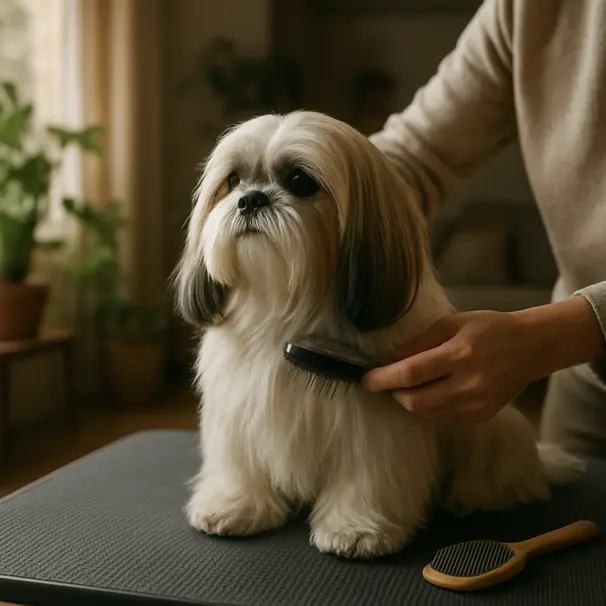
Shih Tzu
- Temperament: Affectionate, friendly, and persistent in winning your lap. They’re classic companions.
- Grooming: Coat can be kept long in a show cut or trimmed short for easier upkeep. Daily face cleaning helps prevent tear stains and matting around the muzzle.
- Real life: Great for apartment living, but regular brushing is a must to avoid tangles.
Lhasa Apso
- Temperament: Loyal, alert, and a little noble. They can be wary of strangers but very devoted to family.
- Grooming: Long flowing coat needs frequent brushing and occasional trims. Coat care helps manage shedding and keeps ears clear.
- Real life: They’re delightful watchdogs with a surprisingly bold personality in a small package.
Old English Sheepdog
- Temperament: Playful, gentle, and full of character. They love being part of family life.
- Grooming: Thick double coat requires regular brushing. Many owners choose a shorter, practical trim to reduce upkeep.
- Real life: They shed seasonally and appreciate a yard to romp in, but will happily lounge beside you after a long play session.
Cavalier King Charles Spaniel
- Temperament: Sweet-natured, social, and adaptable. They’re lap-loving and friendly with strangers and other pets.
- Grooming: Feathered ears and tail need regular brushing to avoid tangles. Baths and ear checks help keep things tidy.
- Real life: Excellent with children and great for first-time owners who want a gentle companion.
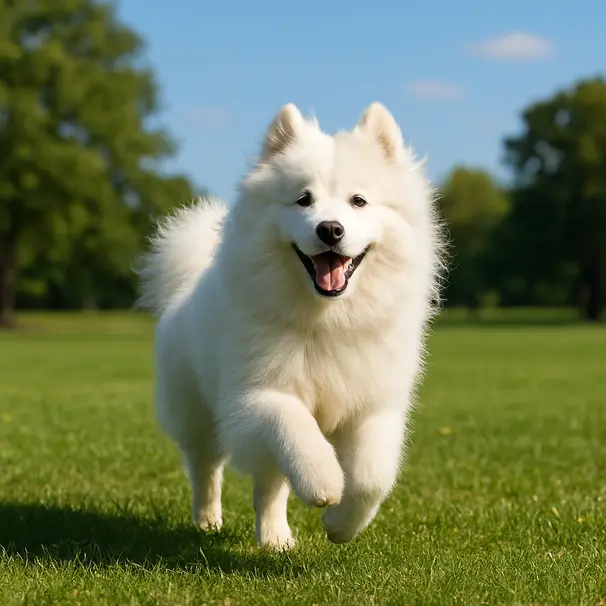
Samoyed
- Temperament: Smile-for-days, energetic, and working-breed smart. They’re social and thrive on activity.
- Grooming: Thick, fluffy double coat that sheds heavily seasonally. Regular brushing helps reduce loose hair and keeps the coat healthy.
- Real life: They need exercise and mental stimulation. Expect a lot of fluff and a friendly “Sammy smile.”
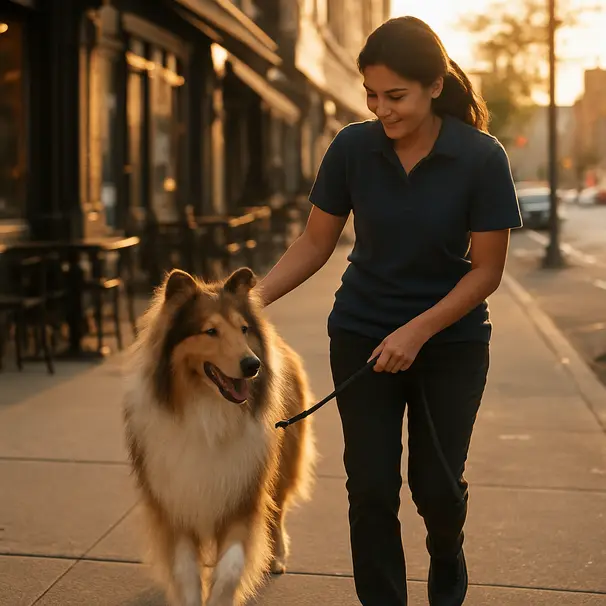
Rough Collie
- Temperament: Protective, gentle, and intelligent. They’re natural herders with a strong desire to please.
- Grooming: Dense coat with long outer hair needs regular brushing and seasonal shedding management.
- Real life: Highly trainable and great with families, they enjoy structured activity and companionship.
Tibetan Mastiff
- Temperament: Independent, protective, and calm at home. They can be territorial and are best with experienced owners.
- Grooming: Heavy mane-like coat needs regular brushing, especially during seasonal sheds.
- Real life: They’re impressive guardians and require confident handling and secure space.
Grooming basics every long-haired owner should know
Long-haired coats vary, but a few grooming habits translate across breeds. These practices keep fur healthy, prevent painful mats, and make life better for both of you.
Tools to have on hand: slicker brush, a comb with both wide and fine teeth, de-matting tool (for emergencies only), quality shampoo, and nail clippers. Consider a grooming table or non-slip mat for safer brushing sessions.
Brushing routine: Aim for daily to every-other-day brushing for show-length coats, and at least several times weekly for trimmed coats. Start at the ends of the fur and work toward the skin, gently removing tangles in small sections. Use short sessions if your dog is new to brushing, and reward them often.
Bathing: Bathe as needed, often every 4–8 weeks for long coats, depending on activity level and skin condition. Use a gentle, dog-formulated shampoo, and always thoroughly dry the coat—damp fur can lead to odor and skin irritation.
Trimming and professional grooming: Some owners prefer a practical trim to reduce daily maintenance. Regular professional grooming can help keep a coat manageable and tidy. Ask groomers about experience with your breed and request a clear walk-through of the grooming plan.
Tackling mats: Small tangles can be gently combed out, but large mats sometimes need careful separation with fingers first, then a de-matting tool. If a mat is too close to the skin or causing discomfort, consult a groomer to avoid accidental cuts or skin irritation.
Ears and eyes: Long-eared dogs can be prone to ear build-up. Check ears weekly, keep them clean and dry, and consult your vet if you notice persistent redness or odor. Wipe around the eyes gently to manage tear staining and debris.
Practical daily care for a floofy friend
Grooming is only part of the picture. A few small daily habits can make a big difference in coat health and overall comfort.
Quick daily checks: Run your hands over your dog’s coat to feel for knots, debris, or skin lumps. Early detection makes problems easier to solve.
Paw care: Long hair between toe pads can collect dirt, ice, and burrs. Trim inter-pad hair carefully or ask your groomer to do it. Keep nails trimmed for comfortable movement.
Diet and coat health: A balanced diet with healthy fats may help coat condition. Consider discussing supplements with your vet if you’re thinking about changes.
Seasonal care: Many long-haired dogs blow coat in spring and fall. Increase brushing frequency during these times and consider deshedding tools. Keep your dog cool during hot months, and don’t shave double-coated breeds unless advised by a professional.
Managing shedding at home: Frequent vacuuming, washable blankets, and a designated grooming spot can keep your home livable during heavy shed seasons.
Choosing the right carer and groomer
Finding a carer who understands long-haired breeds makes life easier. Carers and groomers should be gentle, patient, and experienced with coat types and breed temperaments.
What to ask a groomer: How often they recommend professional trims, whether they handle de-matting, and their approach to anxious dogs. Ask for references and look for before-and-after photos.
What to ask a pet carer: Experience with grooming basics, willingness to brush and tidy paws, and how they’ll manage coat care during walks or overnight stays. Clear communication about feeding, exercise, and grooming routines helps everyone stay on the same page.
Trial sessions: Arrange a short meet-and-greet before booking extended care. A quick trial walk or grooming session can reveal how the carer and dog relate.
Emergencies and health: Make sure carers know to consult you and seek veterinary advice if they notice sudden hair loss, skin redness, or unusual lumps. Encourage carers to report changes promptly.
Travel, sleepovers, and social life with a long-coated dog
Long-haired dogs thrive on routine and companionship. Planning ahead makes travel and social activities less stressful.
Packing for overnight care: Include a brush, a short note about brushing frequency, any detanglers you use, preferred treats, and a familiar blanket with your scent. That small comfort goes a long way.
Playdates and social meetups: Choose playmates with compatible energy and coat textures. High-energy rough play can tangle and mat long fur, so supervise interactions and brush afterward.
Dog parks and outdoor hazards: Long hair can trap burrs, foxtails, and seeds. After outdoor adventures, do a quick sweep for debris and a paw check for foreign material.
When to consult professionals
Groomers and carers can handle most coat care, but sometimes you might need extra help. Consider veterinary advice if you notice persistent scratching, inflamed skin, sudden coat changes, or if grooming uncovers a skin issue. Vets can help rule out allergies, infections, or other concerns.
Avoid making medical claims, and treat these signs as prompts to seek professional guidance. Regular vet check-ups and open conversations with your groomer help you spot problems early.

Final thoughts: celebrate the floof
Long-haired dogs bring personality, warmth, and a little extra fluff into our lives. The grooming, while real work, is a chance to bond. Short daily sessions, smart tools, and trusted carers make coat care manageable and often enjoyable. If you’re thinking of adopting or already live with a floofy friend, remember: patience, routine, and kindness are your best tools.
If you need help finding a groomer, sitter, or dog walker who gets long-haired breeds, Floofy connects pet owners with trusted local carers who understand breed-specific needs. A good carer will help keep your dog comfortable, clean, and ready for all the cuddles.
Thanks for reading. Now go give your floofy buddy an extra brush and a treat — they’ve earned it.