


Make your cat adore you: simple tricks
Cats are famously independent, but most of them are also aching for a calm, predictable friendship. If you want a cat who greets you, leans in for a chin scratch, or chooses your lap at the end of a long day, the secret is small, consistent actions that build trust over time.
In this guide you will find gentle, practical steps you can use today. These tips are friendly for owners and pet carers who want to help cats feel safe and loved. Try one change at a time, watch the cats responses, and let your relationship grow at the cat’s pace.

Understand your cat first
Cats communicate differently from dogs. They read scent, body language and subtle vocal cues. Learning a few basics helps you avoid accidental mistakes and come across as a reassuring presence.
- Read the ears and tail. Ears forward usually mean curiosity. Ears flattened or twitching, and a flicking tail, are signs of discomfort.
- Watch the eyes. Slow blinks are a good sign. A hard stare often signals stress or dominance.
- Respect the distance. Cats have an invisible comfort bubble. If a cat steps away or turns its head, let it choose when to come back.
Give the cat time to approach you. Sit quietly, keep your voice soft, and offer a finger for sniffing rather than reaching out to grab or hug. Even brief, calm interactions will build the cats confidence in you.
Create a routine that feels safe
Cats love predictability. A steady routine for feeding, play, and quiet time helps them relax and look forward to seeing you.
- Feed at similar times each day. Food is a powerful trust builder. If you handle feeding, the cat will start linking you with positive experiences.
- Keep play sessions short but frequent. Ten minutes a few times a day beats one long burst of activity.
- Wind down the way the cat likes. Some prefer a quiet lap session, others a separate cozy nook where you sit nearby.
Consistency does not mean rigidity. It means showing up in ways the cat recognizes. If you are a pet carer, leave a small note for the owner describing the times and styles of interaction that worked well.
Use scent to your advantage
Scent is a cats first language. Simple scent tricks can help a shy cat warm up to you more quickly.
- Offer a scent swap. Rub a soft cloth on the cats cheeks and then hold it near your clothing. Do the same with a cloth from your clothes and leave it in the cats bed. Familiar smells reduce stress.
- Wear the cats scent when you return after time away. Carrying a small blanket or towel with the cats scent helps them accept you as part of their safe circle.
- Be mindful with strong scents. Avoid heavy perfumes or strongly scented hand creams during introductions.
These are gentle, noninvasive ways to help a nervous cat associate you with comfort.
Make play feel like bonding, not battle
Play is one of the fastest ways to build affection. The right toys and timing can transform a cautious cat into a playful, trusting companion.
- Use wand toys or laser pointers to mimic prey. Keep the motion natural and end sessions with a tangible toy the cat can “catch.” That satisfying finish matters to a cats brain.
- Observe the cats energy. Some prefer wild, fast sessions in the morning. Others like a gentle, stalking game before bed. Match your play style to theirs.
- Rotate toys to keep novelty alive. Cardboard boxes, crinkly toys, feather wands and treat puzzles all add different enrichment.
Play is also a great way for pet carers to leave a positive note. If a cat played enthusiastically with a particular toy, owners will appreciate the tip.

Treats, meals and the art of bribery that builds trust
Treats can be a shortcut to friendship if used thoughtfully.
- Let the cat come for treats. Toss small bits of a safe snack toward the cat rather than offering from your hand right away.
- Use treats to shape confident behavior. Reward the cat when it approaches, uses a scratch post, or jumps onto a lap with relaxed posture.
- Be mindful of diet. Treats should be an occasional reward, and owners may have dietary rules. Ask before introducing new foods.
A predictable, calm feeding routine turns you into a positive part of the cats day. Over time the cat learns to associate you with good things and reliable care.
Grooming and respectful touch
Physical contact can be deeply bonding, but it needs to feel safe to the cat. Pay attention to where and how the cat likes to be touched.
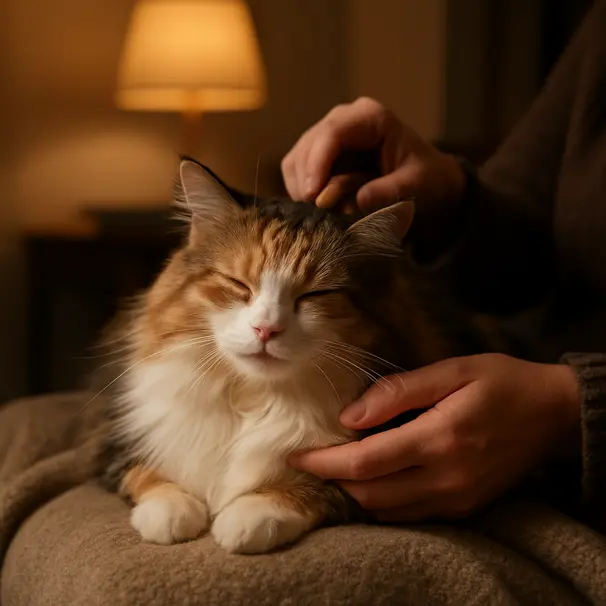
- Start with the chin, cheeks and base of the ears. These are usually safe spots where cats have scent glands and enjoy gentle pressure.
- Avoid overstimulation. If a cat suddenly swats or flicks its tail, finish the session and give space. Brief, predictable strokes are better than long sessions for many cats.
- Brush regularly if the cat accepts it. Brushing reduces loose hair, helps skin health, and mimics social grooming.
Grooming can be a cooperative task for carers and owners. If the cat tolerates brushing, try short sessions and reward calm behavior with a treat or play afterward.
Give vertical territory and safe hiding places
Cats feel safer with options. Offering vertical spaces and quiet hideouts helps a cat manage stress and choose to interact on its terms.
- Install shelves or cat trees near windows. Cats love to observe from a high, safe spot.
- Provide hidey-holes. A box, a covered bed, or a quiet closet shelf gives the cat a retreat when it needs to decompress.
- Keep multiple litter boxes and feeding stations if you have more than one cat. Personal space reduces tension and supports friendly behavior.
Respecting a cats need to withdraw is as important as offering affection. Cats that feel in control of their environment are more likely to seek you out.
Help with visitors, new people and pet carers
Cats can be stressed by change. A calm, consistent approach helps them accept new people.
- Let the cat approach new people. Ask guests to ignore the cat at first, then offer a quiet hand for sniffing.
- Use treats and play to make introductions positive. Have the visitor toss treats or play with a wand toy from a distance.
- For pet carers, maintain the owners routine and leave detailed notes. Small consistencies, like feeding times and favorite toys, make a big difference.
If a cat hides when strangers arrive, avoid forcing interaction. Over time, as visitors repeat calm, friendly behavior, the cat may start to come out and investigate.
Training adds clarity and trust
Cats can learn simple cues and behaviors. Training is not about dominance. It is about communication and clear expectations.
- Use clicker training or a consistent verbal cue for simple tasks like coming when called, sitting on a mat, or accepting handling.
- Teach a “target” behavior with a pointer or a stick. Touching the target can be a first step toward more complex tricks.
- Reward small wins. Keep training sessions short, positive and fun.
Training sessions offer mental stimulation and deepen your communication. They help the cat see you as a consistent, fair partner.
Troubleshooting common hiccups
Even with care, some cats remain skittish or develop behavior challenges. Here are gentle strategies to try.
- If the cat avoids you, try lowering your posture. Sit on the floor or at a distance and do quiet activities like reading while offering treats occasionally.
- If the cat becomes aggressive during petting, stop immediately and give space. Later, try shorter, softer touches and observe where the cat prefers contact.
- If toileting changes, reduced appetite, or sudden hiding appear, consider a vet visit. Health problems can change behavior, and a checkup may be important.
Patience wins more often than pressure. Small, consistent wins build momentum and increase a cats willingness to engage.
A quick checklist to start today
- Offer a scented cloth swap to build familiarity.
- Schedule two 10-minute play sessions daily.
- Add a vertical perch and a hiding box.
- Brush gently for a minute or two after play.
- Keep feeding times consistent and reward calm approaches.
Try one or two items this week and notice what the cat prefers. Celebrate small changes, like a tail flick that is more relaxed or a slow blink.
Final thoughts
Building a strong bond with a cat is a marathon, not a sprint. Your calm presence, predictable routine and willingness to respect the cats choices are the core gifts you can give. Pet carers and owners who share observations and stay patient tend to get the warmest, most lasting friendships.
Every cat is an individual, so adapt these tips to the cats personality and history. If behavior changes suddenly or you are worried about health, consider asking a vet or a certified behaviorist for guidance.
A few weeks of small, thoughtful changes can turn a cautious cat into your favorite little roommate. Keep it gentle, keep it consistent, and enjoy the quiet rewards.