

Managing dog weight & nutrition
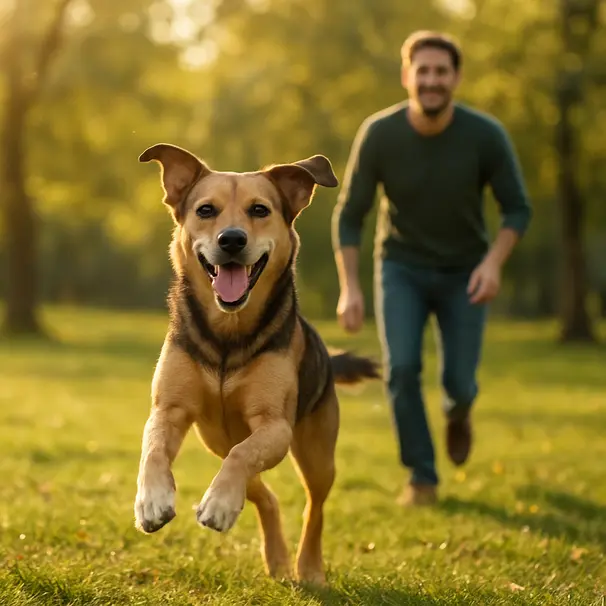
Every dog deserves to feel light on their paws. Extra weight can slow them down, sap their joy, and make everyday things like stairs or long walks harder. But managing weight doesn’t have to be a battle of willpower and salads. With a few friendly habits, the right food choices, and regular check-ins, you can help your dog reach and keep a healthy body condition.
Why weight matters
Weight influences energy, joint comfort, heart health, and lifespan. A lean, fit dog often has more stamina, recovers faster after exercise, and enjoys playtime longer. Small adjustments to feeding and daily life can have a big impact. Consider this guide a toolbox of practical steps you can try at home and share with carers who look after your dog.
Understanding a healthy body condition
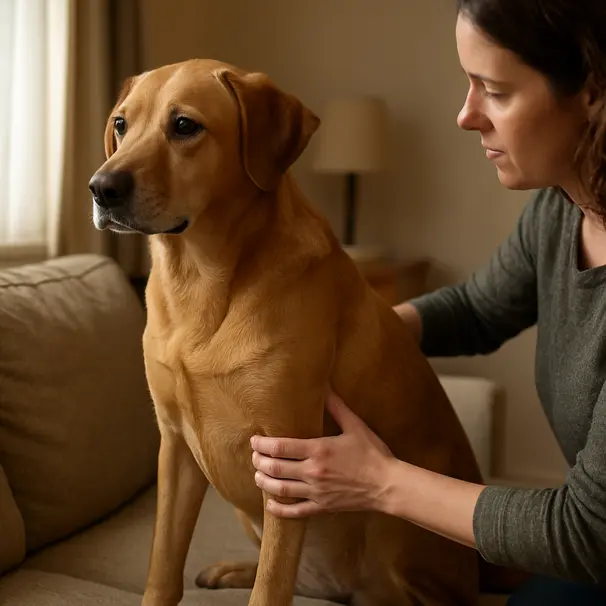
The scale tells part of the story, but how your dog looks and feels matters more. Body condition scoring is a simple, hands-on way to assess whether a dog is underweight, ideal, or carrying extra pounds.
Body condition scoring made simple
- Run your hands along your dog’s ribs. You should be able to feel ribs without pressing hard, but they shouldn’t be overly visible.
- Look at their waist from above. There should be a visible tuck behind the ribs, not a straight or bulging line.
- Check from the side. The belly should rise slightly from the ribcage toward the hind legs.
If your dog’s ribs are hard to feel, or the waist is missing, they may be overweight. If ribs are very prominent and there’s little muscle, they may be underweight. Body condition scoring can be done at home and shared with your vet or carer for a second opinion.
Breed, age, and life stage matter
Different breeds have different natural builds. A greyhound’s ribs will show more than a bulldog’s. Puppies and adolescent dogs need extra calories for growth, while senior dogs may need fewer calories and more joint-supporting nutrients. Spayed or neutered dogs sometimes show a slowed metabolism and may gain weight more easily. Keep these factors in mind when setting goals.
Nutrition basics: calories, nutrients, and labels
Good nutrition isn’t about the fanciest bag on the shelf. It’s about balance, appropriate calories, and consistent portions.
Calories and portion control
Weight change comes down to energy balance. If a dog eats more calories than they burn, they gain weight. The reverse helps them lose weight. But calorie counting in dogs isn’t exact because activity levels and metabolism can vary.
- Use the feeding guide on your dog’s food as a starting point, not a rule carved in stone.
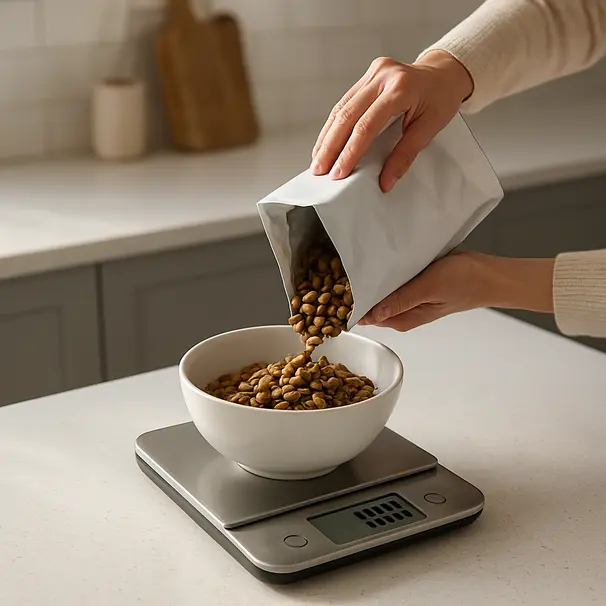
- Weigh out meals using a kitchen scale. A cup can vary dramatically between brands and kibble shapes.
- If a dog needs to lose weight, reduce daily calories gradually by 10 to 20 percent and monitor for changes in body condition.
Remember, sudden drastic calorie cuts aren’t recommended. Slow, steady changes help maintain muscle mass and keep your dog satisfied.
Choosing quality food
Look for foods that list a real protein source first, like chicken or salmon. Protein helps preserve muscle while your dog loses fat. Fiber can help with fullness, and healthy fats support skin and coat. Avoid relying on vague marketing terms. Ingredients and guaranteed analysis sections tell a clearer story.
Consider life-stage formulas: puppy, adult, and senior diets differ. Grain-free diets are necessary for a few specific dogs but aren’t inherently healthier for all. If a commercial food isn’t fitting your dog’s needs, talk with a vet about alternatives or therapeutic diets.
Wet food, kibble, raw diets, and home-cooked meals
Each approach has pros and cons. Wet food can be more palatable and hydrating; kibble is convenient and helps with dental abrasion for some dogs. Raw and home-cooked diets require careful planning to avoid nutrient gaps. If you’re thinking of switching diet types or preparing homemade meals, consider consulting a vet or a veterinary nutritionist.
Practical feeding routines and portion control
A consistent routine reduces begging, helps regulate digestion, and makes monitoring easier.
Meal schedules and portioning
- Adults often do well on two meals per day. Puppies may need three to four depending on age.
- Divide the daily calorie allowance into measured meals. If you feed once a day, it’s easy to overestimate portions.
- When changing food, transition gradually over 7 to 10 days, mixing increasing amounts of the new food into the old to reduce tummy upset.
Treats without undoing progress
Treats should be part of daily calories. If your dog gets many treats during training or walks, consider:
- Using a portion of their daily kibble as training rewards.
- Breaking treats into small pieces for frequent reinforcement.
- Choosing low-calorie options like carrot sticks or green beans, when appropriate.
Interactive feeders and puzzle toys can slow down eating and provide mental enrichment. Sometimes boredom leads to nibbling and grazing.
Exercise, enrichment, and safe weight loss
Exercise helps burn calories and keeps muscles toned. Combine physical activity with mental enrichment for best results.
Tailor activity to your dog
- Short, frequent walks can work for older or overweight dogs.
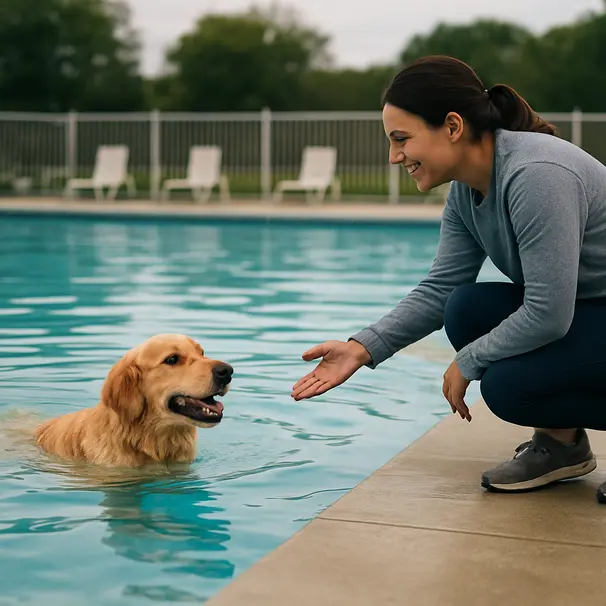
- Play sessions, swimming, and scent work burn energy without high joint impact.
- Slow increases in activity help prevent injury. Start with gentle sessions and add five to ten minutes every few days.
If your dog has joint pain or a medical condition, low-impact exercise like swimming or controlled leash walks can help. Always consider a vet check before launching a more intense exercise plan.
Safe weight loss timeline
A safe rate of weight loss for many dogs may be around 0.5 to 2 percent of body weight per week, adjusted by size and health. Rapid weight loss risks muscle loss and other issues. Monitor body condition and energy levels, and consider small adjustments rather than dramatic cuts.
Monitoring progress and useful tools
Trackable routines make success more likely. Use simple tools and create a small routine that fits your life.
Weigh-ins and body checks
- Weigh your dog weekly or every two weeks on a consistent scale. If you don’t own a scale, many groomers, pet stores, and vets offer weigh-ins.
- Keep a body condition log with photos taken from above and the side. Visuals help you spot subtle changes.
- Note energy levels, appetite changes, and stool quality. These offer clues about how a diet is suiting your dog.
Digital tools and help from carers
Apps can track meals, walks, and weight trends. If you use a pet carer through a service like Floofy, share the plan and logs with them. A trusted carer can follow portioning instructions, stick to approved treats, and report behavior changes.
When to involve a vet or specialist
If your dog is very overweight, losing weight too quickly, or shows signs like increased thirst, persistent lethargy, or recurring stomach problems, consult a vet. A professional can rule out underlying causes such as hormonal issues and can recommend a safe, tailored weight-management plan. For complicated diets, a veterinary nutritionist may provide precise meal plans.
Common pitfalls and how to avoid them
- Relying on eyeballed portions. Weigh meals to avoid accidental overfeeding.
- Treat creep. Small treats add up. Track them in your dog’s daily calorie budget.
- Comparing to other dogs. Two dogs of similar size may have different ideal weights based on muscle, bone, and body shape.
- Stopping too soon. If progress stalls, re-evaluate calories and activity rather than assuming failure.
Working with carers: setting clear instructions
If someone else helps walk or feed your dog, clarity is kind. Provide written feeding amounts, approved treats, feeding times, and notes on exercise limits. A short checklist or photo of the measured portion can prevent mistakes. Celebrate teamwork when carers report wins or notice positive changes.
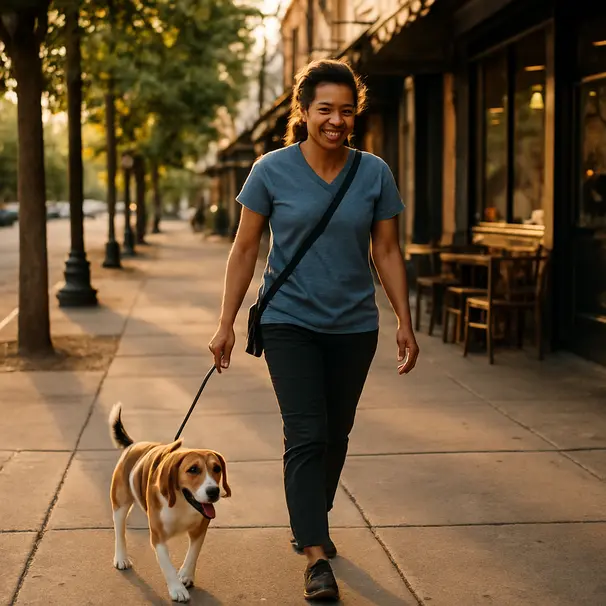
Small changes, steady results
Weight management is a marathon, not a sprint. Celebrate small wins: a tighter waistline, more bounce on a walk, or easier stairs. A consistent routine, thoughtful food choices, and gentle exercise can help your dog enjoy a healthier life.
If you’re ever unsure, reach out to your vet or a trusted Floofy carer for support. Together, you can create a plan that keeps your dog feeling playful and comfortable for years to come.
Quick checklist to get started
- Measure your dog’s current weight and take photos.
- Choose a daily calorie target or portion based on your dog’s needs.
- Weigh meals and track treats.
- Build a gradual exercise plan suitable for your dog.
- Schedule regular check-ins with your vet or carer.
A healthier weight is often the result of many tiny, loving choices. With patience and teamwork, you’ll help your dog feel their best.