

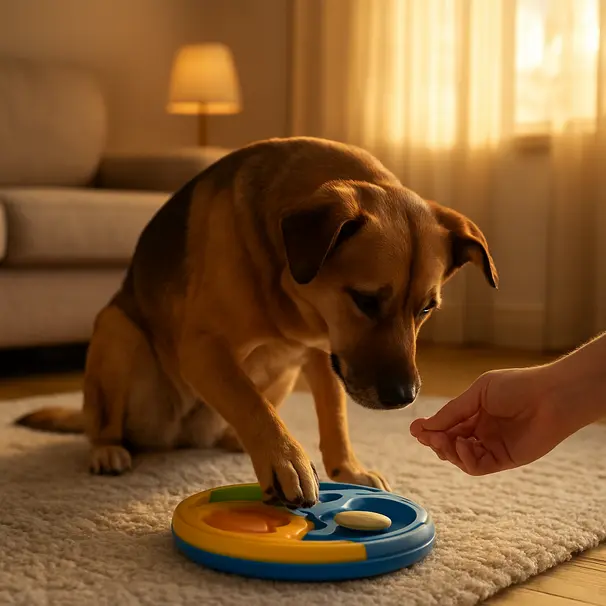
Mental games for dogs: fun & brain boost
Keeping a dog’s mind active is one of the best gifts you can give. Mental games can tire a pup out as effectively as a long walk, help prevent boredom behaviours, and deepen the bond between you and your dog. This guide walks through gentle, practical games for all ages and breeds, plus safety tips and ways pet carers can join in.
Why mental exercise matters
Dogs are curious by nature. Mental stimulation gives them challenges to solve, options to choose from, and moments of success. Short, regular brain workouts can:
- Reduce destructive behaviour by offering meaningful tasks
- Improve focus and responsiveness during walks and training
- Build confidence in shy or nervous dogs
- Give older dogs gentle cognitive stimulation that may help maintain clarity
Remember, these activities can help your dog feel better, but if you notice sudden changes in behaviour or mood, consider consulting your vet or a qualified trainer.
Choosing the right games for your dog
Think about your dog’s personality, age, and physical needs. A bouncy border collie may love fast-paced problem solving, while a senior dachshund might prefer scent work or gentle puzzle toys. Start simple and watch how your dog explores a new game. If your dog seems overwhelmed, break the task into smaller steps or reduce distractions.
Easy starter games (5–10 minutes)
These short activities are great for daily use and for introducing mental exercise.
1. Shell game
How to play:
- Sit with three cups and a small treat.
- Let your dog watch you place the treat under one cup.
- Shuffle the cups slowly and encourage your dog to find the treat.
- Reward the correct choice and try again.
Tips:
- Use clear commands like “find it” to build association.
- If the dog struggles, start with two cups or show the placement more clearly.
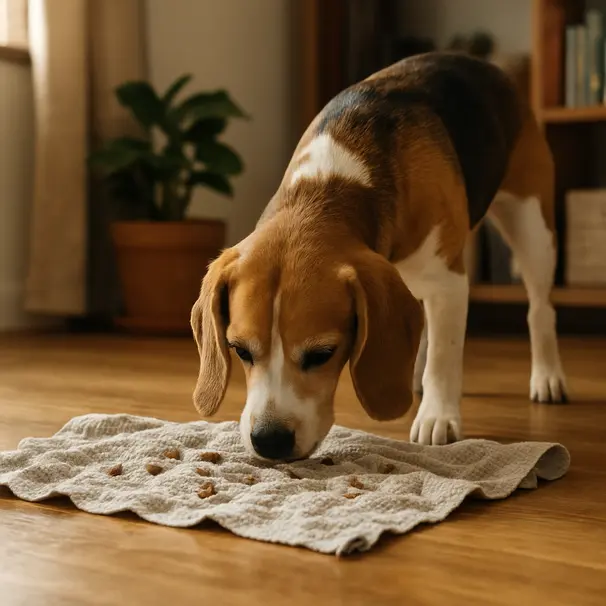
2. Peekaboo treats
How to play:
- Use a towel or blanket and hide a treat under one corner.
- Encourage your dog to sniff and push the fabric to find the treat.
- Gradually make the hiding spot trickier.
Why dogs like it:
- It taps into natural nose-work and problem-solving instincts.
3. Name and find
How to play:
- Teach names for two or three favourite toys.
- Place them around the room and ask your dog to fetch one by name.
- Reward success with praise and a small treat.
This develops listening skills and makes playtime more engaging.
Intermediate challenges (10–20 minutes)
Once your dog is confident with simple games, try these slightly harder activities.
4. Snuffle mat treasure hunt
How to play:
- Scatter small treats inside a snuffle mat or a folded towel.
- Encourage your dog to sniff them out at their own pace.
- Time the session or create multiple rounds.
Benefits:
- Great for scent stimulation and slowing fast eaters.
5. DIY puzzle boxes
How to play:
- Use a sturdy cardboard box with a few small holes, place a treat inside.
- Let your dog figure out how to reach the reward.
- Secure edges so the box doesn’t collapse dangerously.
Safety note:
- Supervise to ensure your dog doesn’t swallow cardboard pieces.
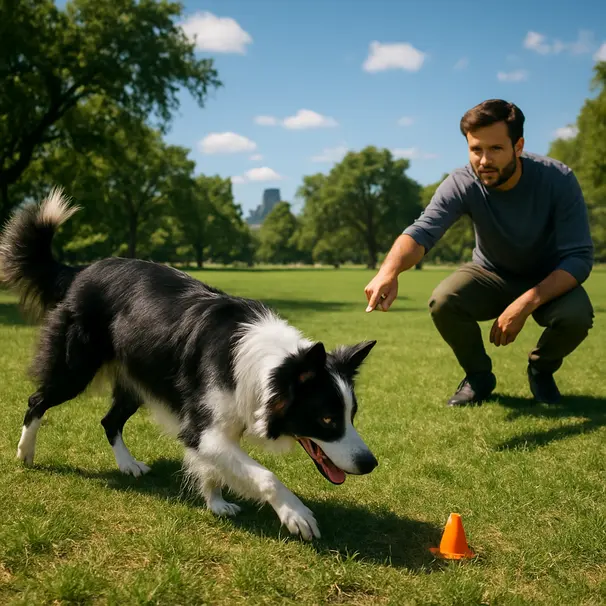
6. Follow-the-leader obstacle
How to play:
- Create a small course with cushions, low chairs, and a broom for a low jump.
- Lead your dog through the course with treats or a favourite toy.
- Vary the sequence and introduce simple commands like “over”, “around”, and “wait”.
This builds coordination and listening skills.
Advanced brain games and problem solving (20+ minutes)
For highly motivated dogs, offer multi-step challenges that combine scent work, memory, and strategy.
7. Treasure trail
How to play:
- Create a scent trail using a small treat or a drop of low-salt broth on cloth.
- Drag the scent along the floor for several meters, hiding the final reward under a box or behind a cushion.
- Encourage your dog to follow the trail and celebrate the find.
Progression ideas:
- Make trails more winding, add short breaks, or use multiple scent sources.
8. Sequence tasks
How to play:
- Teach a short sequence of actions: sit, paw, go to mat, touch a target.
- Hide a reward at the end that the dog only gets after completing the entire sequence.
- Increase the number of steps gradually.
Why it helps:
- Sequences strengthen memory and impulse control.
9. Interactive toys and feeders
How to play:
- Use rotating puzzle feeders that require pushing or sliding parts to release kibble.
- Let your dog observe the toy first, then show the idea with a visible treat.
Safety and selection:
- Choose toys appropriate for your dog’s size and chewing strength.
- Check toys regularly for wear and replace as needed.
Homemade games and low-cost ideas
You don’t need expensive gear to stimulate your dog’s brain. Try these simple DIY projects.
- Muffin tin game: Place treats in a few muffin tin cups and cover others with tennis balls. Your dog lifts the balls to find treats.
- Towel roll-up: Sprinkle treats on a towel, roll it up and let your dog unroll to collect them.
- Cup stacking: Stack lightweight cups and place treats under them, encouraging your dog to nudge them aside.
Always supervise DIY play and avoid small pieces that could be chewed off and swallowed.
How to build a safe, effective session
Consistency wins. Short, frequent sessions are better than one long push. Aim for two to four short games a day, depending on your dog’s age and energy level. Here’s a simple session format you can use:
- Warm-up: 1–2 minutes of a simple command game (sit, look, touch)
- Main activity: 5–10 minutes of a puzzle or scent game
- Cool-down: 1–2 minutes of quiet praise and a gentle pet
Keep sessions upbeat and end on success. If your dog seems frustrated, switch to a simpler task or offer a quick win.
Recognising signs of progress and frustration
Look for positive signs like increased focus, problem-solving creativity, and calmer behaviour after sessions. Signs of frustration can include repeated barking without progress, frantic digging at toys, or giving up. If you see those, pause, simplify the game, and reward smaller steps.
Working with pet carers and sitters
If you use a pet carer from Floofy, mental games are a great way to extend enrichment while you’re away. Share your dog’s favourites and a simple routine with the carer. A short checklist to pass along might include:
- Favourite treats and any dietary restrictions
- Preferred toy types and any off-limits items
- Games your dog already knows and what to try next
- Signs your dog needs a break or is getting anxious
Carers can fit two or three brain breaks into a home visit or include a 10–15 minute puzzle session during a dog walk. Clear communication means your dog enjoys consistent stimulation.
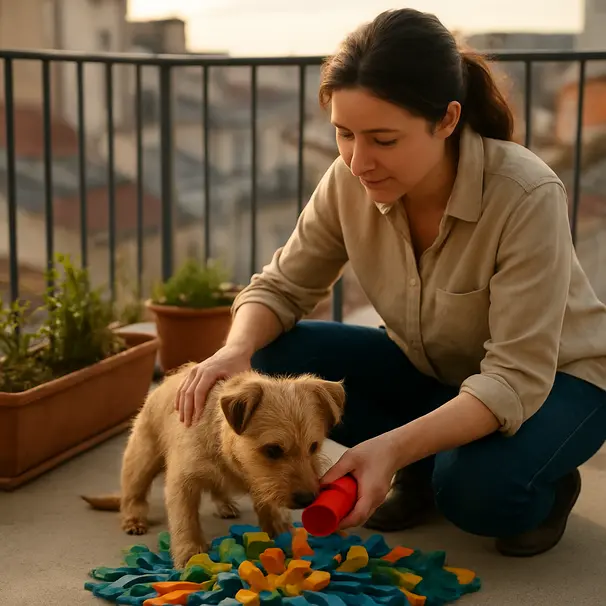
Choosing toys and tools thoughtfully
When selecting enrichment tools, consider safety, challenge level, and durability. Here are some tips:
- Start with low-difficulty puzzles and increase complexity slowly.
- Match toy size to your dog; avoid small parts for large chewers.
- Look for easy-to-clean materials, especially for food-based toys.
- Rotate toys every few days to keep novelty high.
If you’re unsure about a toy’s safety, test it under supervision for short periods before leaving your dog alone with it.
Special considerations for puppies and seniors
Puppies:
- Keep sessions short and positive, around 3–5 minutes, several times a day.
- Focus on scent games and naming toys to build vocabulary and confidence.
Senior dogs:
- Choose gentler puzzles and avoid tasks that strain joints.
- Scent and slow-foraging games are often ideal.
- Mental work can be calming and may help maintain cognitive function.
Always adapt the intensity to match your dog’s physical abilities, and contact your vet if you notice changes in mobility or mental sharpness.
Troubleshooting common challenges
My dog loses interest quickly:
- Shorten sessions and keep rewards high value.
- Rotate toys and introduce new scents to rekindle curiosity.
My dog gets too excited or vocal:
- Teach a calm settle cue and use it between rounds.
- Choose slower-paced scent games to channel energy.
My dog destroys puzzles:
- Switch to heavy-duty or indestructible feeders, or supervise closely.
- Use tougher chew-resistant toys for power chewers.
Quick weekly plan you can follow
- Monday: 10 minutes snuffle mat during breakfast
- Tuesday: 5 minutes shell game in the evening
- Wednesday: 15-minute treasure trail outdoors
- Thursday: Rest from brain games, short walk and cuddle time
- Friday: 10 minutes DIY puzzle box
- Saturday: Interactive feeder during playtime
- Sunday: Training sequence and gentle review of skills
Adjust frequency to your schedule and your dog’s needs. The point is regular, varied mental engagement.
Final notes: small changes, big rewards
Mental games are an easy way to bring more joy into your dog’s life. They help with focus, reduce boredom, and create shared moments that strengthen your relationship. If you work with a pet carer, include enrichment in your care plan so your dog gets consistent attention and challenge.
If you’re ever unsure what’s right for your dog, or if you notice sudden behavioural changes, consider consulting your vet or a certified behaviourist. A few minutes of play each day can make a big difference, and watching your dog think their way to success is one of the sweetest rewards of pet ownership.
Happy playing from everyone at Floofy. Try one new game this week and enjoy the tail wags.