

Most loyal dog breeds that love for life
Dogs are famous for their loyalty, but some breeds show that deep, steady devotion in especially obvious ways. This post is for pet owners and carers who want a warm, practical look at dogs that often form lifelong bonds. I’ll describe how loyalty shows up, profiles of reliably devoted breeds, and simple tips to encourage a relationship built on trust and affection.
What loyalty looks like in a dog
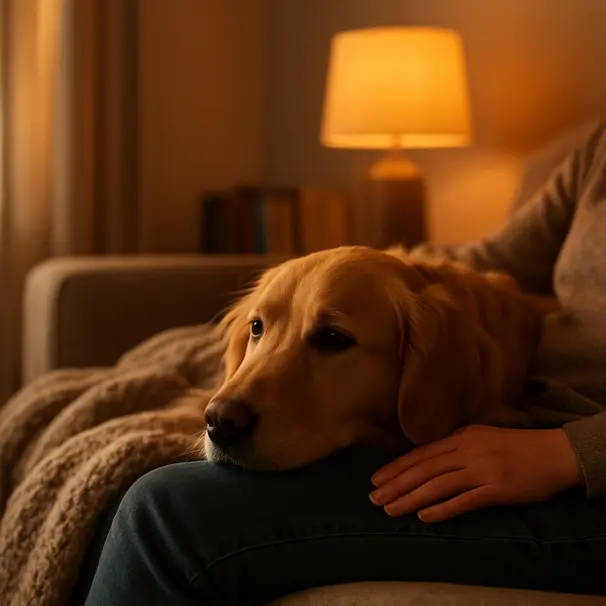
Loyalty isn’t one single behavior. It’s a pattern you see over time. Loyal dogs often:
- Stick close to their people in new situations.
- Look to their person for reassurance and direction.
- Show consistent affection, not just bursts of excitement.
- Defend or protect the household in subtle ways, like alerting to changes.
You may notice that loyal dogs read your cues and respond. They value routine, and they often prefer the company of a familiar person. That doesn’t mean they won’t bond with new people, but many of these breeds choose a primary person and stay devoted for life.
It helps to remember loyalty grows both from temperament and from how a dog is treated. Trust, consistent care, and gentle leadership can deepen a dog’s devotion. If you’re matching a pet with a carer, pay attention to how the dog reacts to different people, not just how friendly they seem at first.
Top loyal breeds and what makes them special
Here are breeds that often develop strong, lasting bonds. Each summary includes what loyal behavior might look like, and a short note for carers and owners.
Labrador Retriever
Labradors are famously people-oriented. They tend to follow family members around, offer enthusiastic greetings, and want to be included in activities. Labs are loyal in a friendly, open way. Their devotion is often expressed through play, physical closeness, and a steady desire to please.
Carer note: Labs thrive with routine, daily walks, and interactive play. They may try to help with anything you’re doing, so include them safely in tasks. Consider mental enrichment to keep them happy.
Golden Retriever
Goldens combine gentle temperament with strong attachment to their people. They’re warm, patient, and tuned into emotions. A Golden will often nudge their person for comfort or lean in to offer companionship, sometimes staying close for hours.
Carer note: Gentle grooming and calm love sessions go a long way. Goldens can be sensitive to the tone of voice, so kind, confident leadership helps build trust.
German Shepherd
German Shepherds bond deeply and can be protective without being aggressive. Their loyalty often shows as focused attention and a strong desire to work alongside someone. They may guard family routines and are usually eager students of commands.
Carer note: These dogs benefit from consistent training and mental challenges. A reliable schedule helps them feel secure and connected.
Border Collie
Border Collies form intense attachments to the people who give them purpose. Their loyalty is often shown through tasks and concentration. A Border Collie might shadow a person during chores or thrive when given a job to do.
Carer note: Provide plenty of mental and physical exercise. Without activity, their loyalty can become anxious energy. Short training games or puzzle feeders can channel their devotion constructively.
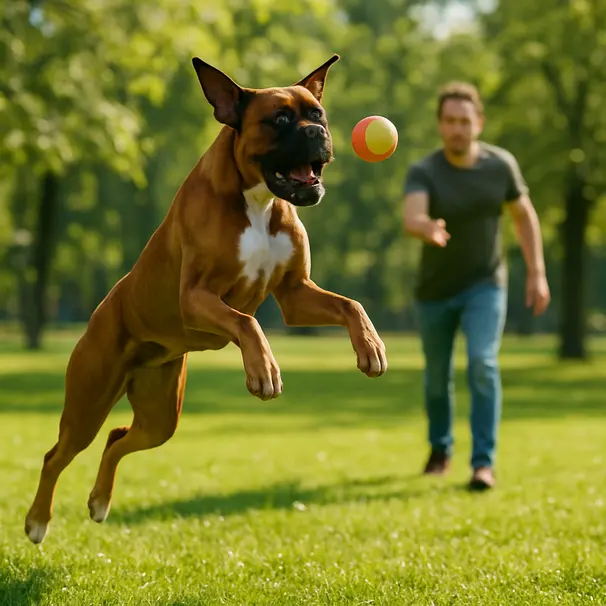
Boxer
Boxers are affectionate, playful, and devoted. They often display clownish energy paired with a true desire to protect family members. Boxers enjoy physical contact and are quick to comfort a sad person.
Carer note: Firm but loving boundaries keep Boxers confident. They enjoy interactive play and respond well to positive reinforcement.
Cavalier King Charles Spaniel
Small but mighty in devotion, Cavaliers love close contact and often become lap dogs for life. Their loyalty is gentle, steady, and full of warmth. They tend to be forgiving of change, as long as they have their person nearby.
Carer note: Cavaliers enjoy quiet companionship and short walks. Gentle handling and soft voices help them relax with new carers.
Akita
Akitas are known for their profound loyalty to family. They may bond intensely with one person, showing protective instincts and deep attachment. This breed’s loyalty can be quiet and serious rather than overtly affectionate.
Carer note: Early socialization and clear leadership are important. Akitas may be reserved with strangers, so patient introductions help them accept new people.
Australian Shepherd
Aussies are loyal through action. They’re happiest when they have purpose and company. Their devotion often looks like attentive behavior, watching a person’s movements, and being ready to help at a moment’s notice.
Carer note: Regular work-like activities, such as agility or structured games, can strengthen the bond and keep them content.
Staffordshire Bull Terrier
Staffies, or Staffies, often form incredibly close bonds and are gentle with family members. Their loyalty is affectionate and trustworthy. Many Staffies become velcro dogs, preferring to be wherever their person is.
Carer note: Socialization helps Staffies show their friendly side to others. They respond well to firm, loving routines and plenty of human interaction.
Beagle
Beagles are social and eager to please, and their loyalty shows in the way they follow family routines and seek company. They may be more independent at times, driven by scent, but they often return to their people for comfort.
Carer note: Keep them mentally occupied and use scent games for enrichment. Gentle, consistent leadership helps maintain trust.
How to encourage and honor a dog’s loyalty
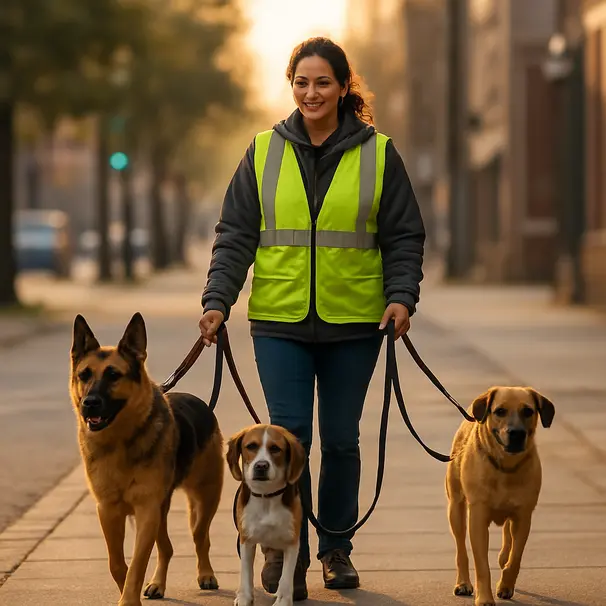
Loyalty feels natural, but it also thrives under certain conditions. Here are practical ways to deepen and sustain that bond.
- Be consistent. Clear daily routines and predictable responses reduce anxiety and build trust.
- Use positive reinforcement. Reward calm, attentive behavior with treats, praise, or short play sessions.
- Communicate calmly. Dogs pick up tone quickly, so a steady, confident voice helps them relax.
- Prioritize quality time. Short, focused moments of attention can mean more than long stretches where you’re distracted.
- Provide mental and physical exercise. A tired dog is a content, loyal dog. Tailor activity to breed needs.
- Respect boundaries. Some dogs express loyalty through distance. Don’t force affection; let it grow naturally.
- Celebrate the small signs. A dog that leans in, follows, or makes eye contact is choosing you, again and again.
If you notice sudden changes in behavior, consider consulting a trainer or a veterinarian. Behavior shifts can reflect stress, health, or environmental changes, and professional input can help protect the bond.
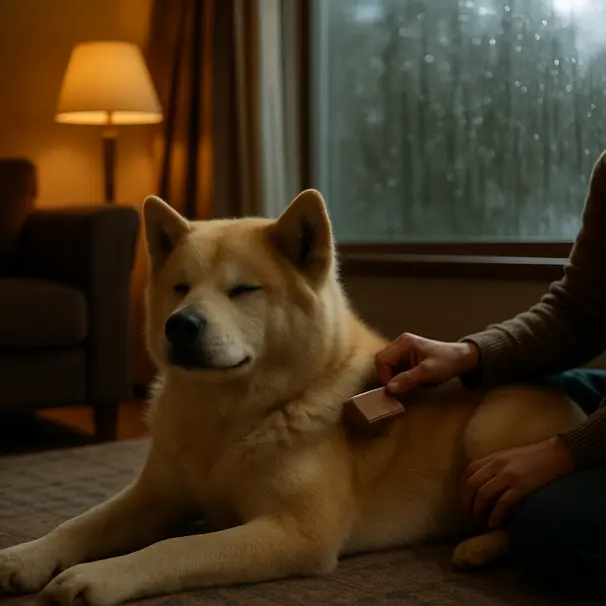
Choosing a pet carer or sitter for a loyal dog
When you need someone to look after a loyal dog, matching personality and approach matters. Loyal dogs often prefer consistent routines and may take time to warm up. Here are quick tips for carers and owners to find the right fit.
- Meet first. Arrange a brief meeting with your dog in a calm environment. Watch how the dog responds over 15 to 20 minutes.
- Share routines. Give the carer a written guide with feeding times, favorite games, calming cues, and any known triggers.
- Start slow. A short trial visit can help the dog get used to a new person without stress.
- Encourage the carer to be patient and predictable. Slow introductions, quiet praise, and respect for the dog’s space often work best.
- Keep contact open. A few photos and a short message while you’re away can reassure both you and your dog.
For carers, observe the dog’s preferred communication style. Some dogs ask for eye contact; others look away to show trust. Matching that style shows sensitivity and builds trust quickly.
Final thoughts
Loyalty is one of a dog’s most precious gifts. It grows from temperament and everyday kindness, and it flourishes with steady care. Whether you live with a boisterous Labrador, a watchful Shepherd, or a quiet Akita, the ways you show up shape a relationship that can last a lifetime.
If you’re matching a dog with a carer through Floofy, remember small details matter. Share routines, temperament notes, and the little rituals that make your dog feel safe. That helps carers step into the role of trusted companions, and it keeps your dog’s loyalty calm, confident, and full of heart.
Thanks for reading. If you have a story about a loyal dog you love, share it with us. Those real-life moments teach other owners and carers exactly what loyalty looks like in the gentle, messy, beautiful life with dogs.