

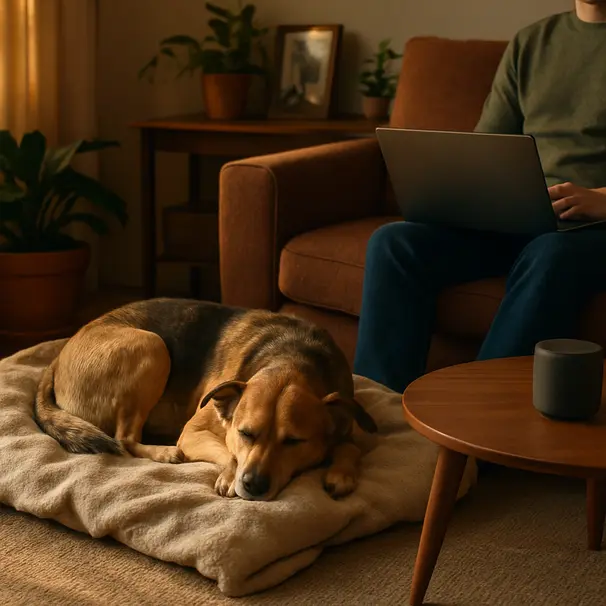
Why music can be a helpful comfort for anxious dogs
If your dog paddles the floor during thunderstorms, paces when you leave, or freezes at the sound of the vacuum, music might be one tool that can help them unwind. Sounds matter to dogs. Rhythm, volume and harmony can influence arousal levels. Used thoughtfully, calming music may reduce tension, encourage resting behaviour and make stressful moments feel more manageable.
This is not a magic cure, and it doesn’t replace training or veterinary advice. Think of music as part of a toolbox. Combine it with predictable routines, enrichment, and professional support when anxiety is severe.
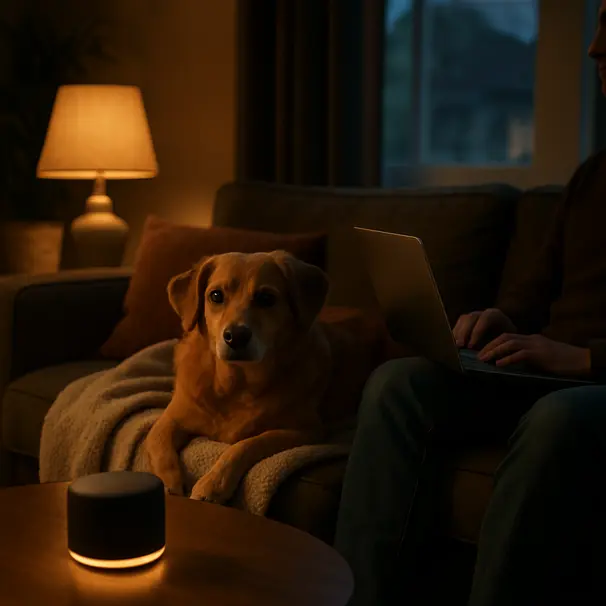
How different types of sounds affect dogs
Not all music is equal for canine ears. Here are a few simple ideas about sound characteristics that tend to be soothing:
- Slow tempo and steady rhythm. Music with fewer sudden changes can help the nervous system settle. Aim for slower beats per minute, like a relaxed human resting heart rate.
- Low to mid frequency instruments. Gentle piano, ambient synths or soft strings usually feel calmer than bright, high-pitched instruments.
- Predictable structure. Repeated, simple patterns feel less surprising than abrupt shifts.
- Natural sounds. Soft rain, distant waves or gentle wind can provide a masking effect to loud, scary noises outside.
Words and lyrics can be neutral. Some dogs respond well to instrumental tracks, while others may not mind a human voice. The important part is watching how your dog reacts, not following strict rules.
Choosing or building a calming playlist
You can find premade playlists labeled for dogs, but making your own gives you control and helps you fine tune what your dog prefers. Try this simple approach:
- Start with three to five instrumental tracks, around 20 to 30 minutes total.
- Include a variety of gentle textures: a slow piano piece, an ambient track with soft pads, and a nature-sound blend.
- Keep the volume low. If you can hear the music clearly from across the room, it might be too loud for your dog.
- Play at the same time each day for a week and watch for signs of relaxation.
Sample playlist ideas to test:
- Soft classical: slow movements by composers like Debussy or Satie often have a soothing effect.
- Ambient/electronic: artists who make gentle, slow-evolving soundscapes can provide consistent, calming backgrounds.
- Nature blends: light rainfall with soft pads or distant bird calls may mask sudden traffic or neighborhood noise.
These are starting points, not prescriptions. Some dogs enjoy gentle reggae or acoustic guitar, while others prefer ambient drones. Offer options and observe.
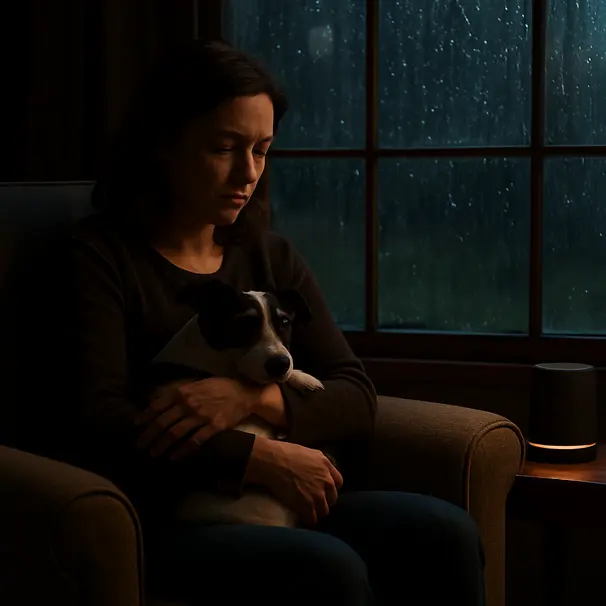
When to play music: routines and triggers
Music works best when it becomes part of a predictable routine, or when you use it to help a dog through a known trigger.
- Separation: Start the music a few minutes before you leave, and leave it on at low volume while you’re out. Gradually extend the music-only separation time in short steps.
- Storms and fireworks: Begin the playlist when weather alerts start. Combine the music with a calm, darkened room and comforting objects.
- Rest times: Play soft tracks during afternoon naps or after exercise to help your dog transition from active to calm.
Keep sessions consistent for at least a week to see patterns. If you see more yawns, relaxed posture, softer eyes or settled breathing, it’s a good sign music may be helping.
How to test your dog’s response safely
Testing is about watching behaviour, not relying on assumptions. Use this gentle method:
- Baseline: Spend a few days observing how your dog behaves during the target time without music. Note signs of stress like panting, pacing, whining or destructive behaviour.
- Trial: Play your chosen playlist at low volume for several days. Record changes in the same way.
- Compare: Are episodes shorter? Is your dog lying down instead of pacing? Are they easier to settle?
If you see no change, try different tracks or times of day. If behaviour worsens, stop the music and consult a vet or behaviourist. Music should never be a stressor.
Practical setup tips for home and carers
A little planning makes playing music easier and more effective.
- Speaker placement: Put a speaker in the room where your dog spends most time. Avoid placing it right next to their head.
- Use timers: Smart plugs or apps can automate playlists so the routine is reliable.
- Portable options: For pet carers visiting different homes, a small Bluetooth speaker fits in a bag and provides consistent sound across visits.
- Volume control: Keep volume at a comfortable background level. If you can lip-synch to a song, it’s probably too loud for your dog.
For carers: ask owners about preferred playlists and usual routines. Log what you played and how the dog reacted. That information helps owners and other carers keep the approach consistent.
Combining music with calming practices
Music pairs well with other low-effort calming strategies:
- Enrichment: Give a chew toy or scatter treats in a puzzle feeder while the music plays.
- Safe space: Create a cozy den with a bed, blanket and your dog’s favourite toys. Music can make this place feel even safer.
- Gentle touch: Slow petting or massage while music plays can amplify relaxation, especially for dogs who enjoy touch.
If anxiety is linked to something specific, such as the doorbell, use gradual desensitization techniques alongside music. For serious anxiety or panic, check with your veterinarian about behavioural therapy or medical options.

Troubleshooting: when music doesn’t help
Sometimes music won’t make a difference, and that’s OK. Try these steps before you pause the experiment entirely:
- Change the tracks. Your dog may prefer different instruments or sounds.
- Adjust timing. Maybe music during an evening nap works better than during a morning routine.
- Reduce other stressors. Check for new sources of noise, strong smells, or changes in household members.
- Shorten sessions. Some dogs tolerate a little music but find long stretches overstimulating.
If none of these changes help and anxiety persists, consult with a vet or certified behaviourist. They can rule out medical causes and recommend behaviour modification strategies.
Tips for pet carers and dog sitters
Carers play an important role in keeping a dog calm. Here are practical habits to adopt:
- Ask before you play. Always get the owner’s go-ahead for music and volume preferences.
- Keep notes. Jot down what you played, for how long, and how the dog reacted. Clear notes help the owner see patterns.
- Stay calm yourself. Dogs pick up on human energy. A steady voice and composed movements work well with calming music.
- Respect the dog’s space. If a dog chooses to leave the room when music is on, let them go. Forcing proximity can increase stress.
Include a short checklist for each visit: music used, volume, length of session, notable behaviours, and any enrichment provided.
Creating a long-term calming plan
Music can become part of a broader plan to support anxious dogs. A helpful plan includes:
- Routine and predictability: feed, walk and rest times on a steady schedule.
- Physical exercise: regular walks and play help burn off excess energy.
- Mental enrichment: puzzle toys, scent games and training sessions keep the mind occupied.
- Social supports: safe interactions with trusted people or calm dogs, when appropriate.
Revisit the plan every few weeks and adjust based on progress. Keep the owner and carers in communication. Small changes over time often add up to big improvements.
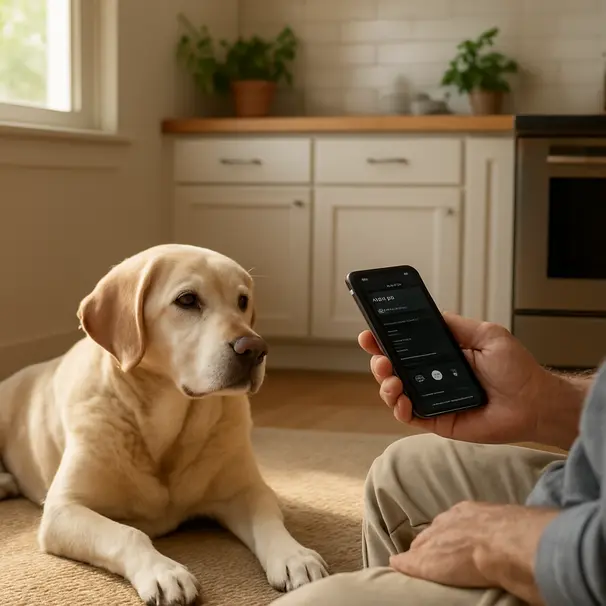
Final thoughts: a gentle, patient approach
Music is friendly, flexible and easy to try. It can help many dogs relax, and it gives owners and carers an extra tool to manage stressful moments. Be patient, observe closely, and use music alongside exercise, enrichment and professional guidance when needed.
If anxiety is severe or sudden, consult your veterinarian. They can help identify medical issues and recommend appropriate behaviourists or treatment options. With thoughtful testing and steady routines, many dogs respond well to a calmer, music-filled home.
Helpful checklist to start today:
- Choose 20–30 minutes of gentle instrumental tracks.
- Play at low volume in the dog’s main resting area.
- Observe and record responses for one week.
- Swap tracks and timing if needed.
- Talk to a vet if anxiety continues or worsens.
Try a small experiment this week. Create a short playlist, set a timer, and see how your pup settles. You might be surprised how much comfort a little music can bring to a worried heart.