


Mustard poisoning in dogs explained
If your dog manages to swipe a smear of mustard from a sandwich or sniffs at a spilled jar, your heart might drop. Mustard is a common condiment, and in small amounts it usually causes only a messy face and a stinky breath. Still, some forms of mustard and mustard seeds can irritate a dog’s mouth, stomach and respiratory tract, especially in small dogs or pets with sensitive tummies. This post walks you through what mustard is, signs to watch for, first aid you can consider, prevention tips, and when to contact a vet.
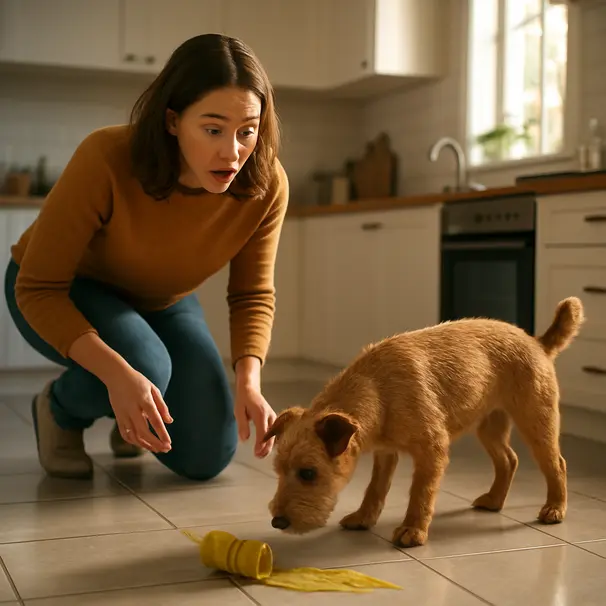
What is mustard and why might it bother dogs?
Mustard used at the table is a blend of ground mustard seeds, vinegar, salt and spices. Mustard seeds belong to the Brassica family, and they contain natural compounds that can be pungent and irritating. Prepared mustard, like yellow or Dijon, also has vinegar and seasonings that may add to stomach upset.
There are a few scenarios that may be more likely to cause trouble:
- A curious puppy eats a large glob of prepared mustard.
- A dog chews on mustard seeds or plants, which are more concentrated.
- A topical mustard oil or paste touches a dog’s skin or nose, causing irritation.
Most often the outcome is mild stomach upset, but irritation can be worse if a dog has inhaled the fumes, eaten a lot relative to their size, or has an existing medical condition. If you’re unsure, it’s sensible to keep a close eye on your pet and check in with a vet.
Signs and symptoms to watch for
Not every dog will react the same way, and signs may appear quickly or take a few hours. Common things owners report include:
- Drooling or pawing at the mouth
- Vomiting or retching
- Diarrhoea or loose stools
- Abdominal discomfort, whining or reluctance to move
- Excessive panting or coughing if inhalation irritation occurred
- Skin redness, itching or swelling if a mustard product touched the skin
More serious signs that need urgent attention are:
- Trouble breathing or persistent coughing
- Collapse, severe weakness or seizures
- Very pale gums or rapid heartbeat
If you see any of those, contact an emergency vet straight away.
First steps at home: calm, safe, and sensible
Stay calm. Your reaction sets the tone for your dog. Take a few quick, practical steps while you decide what to do next.
- Remove the source. Move the jar, seeds or plant out of reach and secure any remaining food.
- Wash away residue. If mustard is on your dog’s fur or skin, gently wipe it off with a damp cloth and rinse with lukewarm water. Avoid scrubbing the eyes or nose.
- Offer fresh water. A few small sips can help dilute mild irritation in the mouth, but don’t force large amounts.
- Don’t induce vomiting unless a vet or poison helpline specifically tells you to. In some cases, vomiting can make irritation worse.
- Note the details. What did your dog eat, how much, and when? Keep the packaging or take a photo. That information will help a vet assess risk.
If symptoms are mild and your dog appears comfortable, monitor them closely for several hours. If signs progress or you feel unsure, reach out to a vet or a pet poison helpline for guidance.

When to call a vet or pet poison line
If your dog shows persistent vomiting or diarrhoea, breathing changes, severe drooling, or any neurological signs, contact emergency care without delay. For non-urgent cases, your regular vet can help you decide the next steps.
Some useful pieces of information to have before you call:
- Your dog’s weight and age
- What kind of mustard product it was (brand, prepared mustard, mustard seeds, mustard oil)
- Approximate amount eaten
- Time of exposure
- Current symptoms
There are also helplines like Pet Poison Helpline or ASPCA Animal Poison Control that can offer advice for a fee. Local veterinary practices may have their own emergency numbers. If you use an online service, be ready to describe the product and your dog’s condition.
How vets may approach a mustard exposure
A veterinarian may recommend different approaches depending on the situation. They may consider monitoring, supportive care or specific treatments to reduce irritation. Supportive care can include fluids to prevent dehydration, medications to control vomiting, or topical care for skin irritation. Inhalation-related problems might need oxygen or respiratory support.
Keep in mind that each case is unique. Your vet will consider your dog’s size, health history and the amount and type of mustard involved.
Puppies and small dogs: extra caution
Smaller dogs and puppies can feel the effects of a spicy or irritating substance more than a large adult dog. A little bit of mustard that might just annoy a Labrador could upset a Chihuahua more seriously. If a small dog gets into a jar of mustard, contact a vet sooner and monitor for rapid changes.
Mustard-related items to watch out for
Not all mustard risks are obvious. Keep these in mind when you pet-sit or prepare food around dogs:
- Prepared mustards: Yellow, Dijon, spicy brown and wholegrain may all cause upset in larger amounts.
- Mustard seeds: Found in spice jars and pickling mixes, seeds are concentrated and may irritate.
- Mustard greens: Some dogs nibbling garden greens could get mild stomach upset.
- Mustard oil or topical pastes: Used in some cultural cooking or home remedies, these can irritate skin and mucous membranes.
- Condiments with other risky ingredients: Check for xylitol in sugar-free sauces, or very high salt content, both of which may be dangerous for dogs.
Prevention: sensible storage and smart habits
Preventing a mustard mishap is usually easy and practical. Here are friendly tips you can use at home or share with carers:
- Store jars and spice tins on high shelves or in closed cupboards.
- Keep condiments off plates and counters during social gatherings.
- Supervise food during outdoor activities and picnics.
- Tell pet carers, sitters and guests about food hazards in a short note or checklist.
- Remove or secure plants that your dog tends to nibble on.
- Check labels for unusual sweeteners like xylitol before offering any human food.
A little planning goes a long way. A simple habit like closing the fridge or putting a condiment jar out of reach can prevent an upsetting trip to the vet.
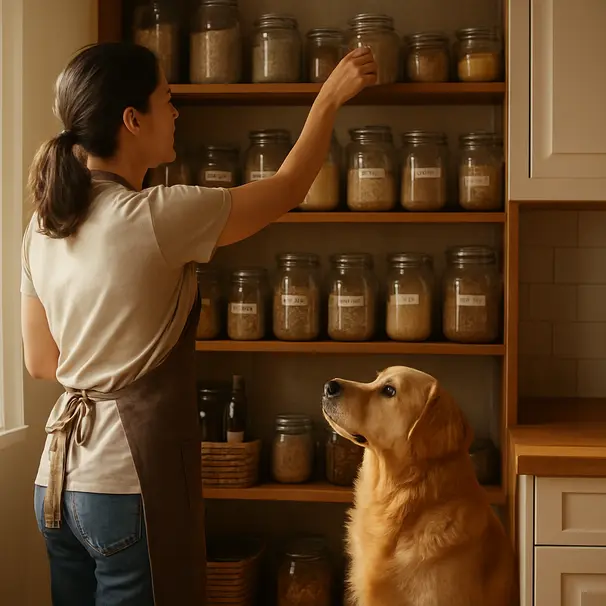
Practical checklist for pet carers and sitters
If you look after other people’s dogs, keep a short printed checklist by the door or in the pet folder. Include these items:
- Emergency vet contact and local poison helpline
- Dog’s weight and basic medical history
- Known food sensitivities or allergies
- Foods and items to avoid (condiments, raisins, chocolate, etc.)
- Location of first aid kit and where hazardous foods are stored
When accepting jobs through a pet-care platform, ask owners about any in-home hazards. A quick message can head off several problems.
Clean-up tips after a spill
Spills happen. A clean wipe can take care of most risks.
- Wipe up spills promptly and dispose of paper towels away from the dog.
- Wash surfaces with pet-safe cleaner and warm water.
- Remove and launder any fabrics that absorbed the spill.
- Keep the area isolated until fully cleaned.
If mustard or mustard oil touched your dog’s coat, use a mild pet shampoo to remove residues. Rinsing well is important to avoid lingering irritation.
A few common questions answered
Q: Is a tiny lick of mustard dangerous?
A: Usually a small lick will just taste awful to your dog and might cause a brief upset stomach. Watch them and call a vet if signs worsen.
Q: Can mustard seeds cause poisoning?
A: Mustard seeds are more concentrated and can irritate the mouth and digestive tract. Large amounts are more likely to cause problems, particularly in small dogs.
Q: What about mustard gas or chemical agents?
A: Mustard gas is unrelated to the mustard condiment and is a dangerous chemical weapon. You are very unlikely to encounter it in everyday life. If you suspect any exposure to industrial chemicals, seek emergency services immediately.
When to consider allergy testing or further checks
If your dog has repeated reactions to foods or shows skin irritation after contact with certain items, mention this to your vet. They may suggest dietary trials, allergy testing or changes to topicals and grooming products.
Final reassurance and practical mindset
Most mustard-related incidents in dogs end up being mild and manageable at home. The trick is to stay observant and act calmly. Keep hazardous foods out of reach, share clear information with carers, and call a vet if anything seems off.
If you ever feel unsure, reach out to your regular vet or a poison helpline and have the product details and your dog’s weight handy. A quick call can save worry and help you make the right choice.
If you’re using a pet-care platform to find a sitter, mention household hazards like condiments and spice jars in the pet notes. A thoughtful caregiver will appreciate the heads up, and your dog will stay safer.
Stay calm, keep snacks out of reach, and enjoy all the cuddle time without the mustard mishaps.