

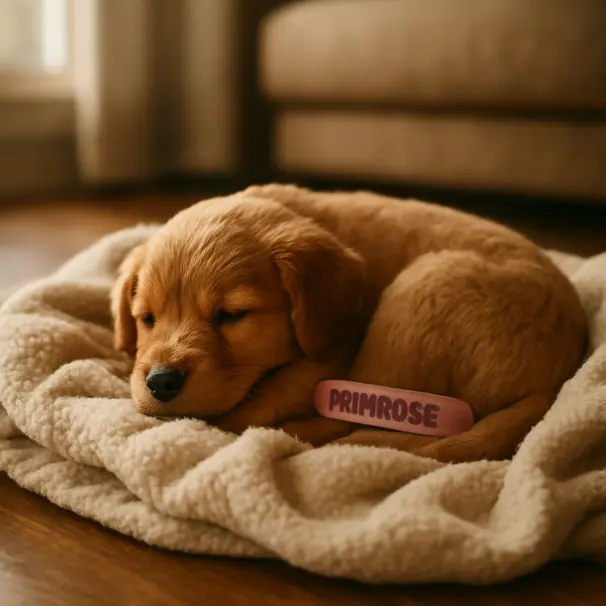
Meeting Primrose: the beginning of a loud, loving adventure
I still remember the way Primrose tilted her head the first time she heard my laugh. She was a tiny tangle of paws and curiosity, with a pink collar I’d stitched with fabric scraps. That moment made the sleepless nights and chewed shoes feel worth it, in a way I didn’t expect.
Bringing a first puppy home is part practical, part magic. You get charted into routines, appointments, and training, and you also get flooded with little surprises. Some are the kind that make you squeal with joy, others are the sort that send you running for a lint roller and a sense of humor.
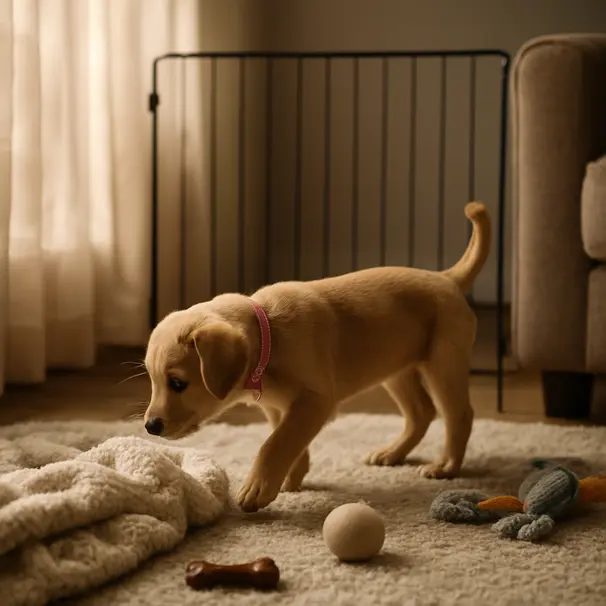
The first week: setting the tone with calm and consistency
The first week sets habits more than you might think. I focused on three simple goals: predictability, comfort, and gentle boundaries. Predictability helped Primrose settle faster. I picked regular feeding times, a short daytime nap schedule, and a bedtime routine that included a quiet walk and a cuddle.
Practical tips from those early days:
- Create a small, safe area for the puppy to explore, such as a gated corner of the living room. Add a bed, water, and a few toys. This helps reduce overwhelm.
- Keep the environment calm. Limit new visitors and loud noises for the first few days.
- Use consistent phrases for routines, like “bedtime” or “play now.” Puppies learn tone and repetition quickly.
Expect accidents. They’re part of the process. Instead of getting frustrated, tidy up calmly, and offer a quick praise when Primrose used the right spot. Your reaction matters more than a cleaning spray ever will.

Sleep, crate time, and the power of predictable naps
Crate training was the thing I worried about most. I had images of a pup crying all night, and I slept with the crate door open those first evenings. What helped was turning the crate into a cozy den rather than a punishment. I placed a soft blanket with my scent, a low-cost snuffle toy, and a nightlight nearby.
How I introduced the crate:
- Let the puppy explore the crate with the door open.
- Feed meals just inside or at the threshold, so the crate becomes a positive place.
- Close the door for a few minutes while you’re nearby, gradually increasing the time.
If crying happens overnight, check for basic needs first, like water or a quick bathroom break. If everything is fine, wait a moment before responding to avoid reinforcing attention-seeking. This is a gentle balance, and it can take days to weeks. Consider discussing sleep strategies with a trainer or your vet if rest stays elusive.
Food, vet visits, and simple health basics
Primrose loved food from day one, which made meal-time training a breeze. When deciding on diet, I compared kibble and pouch options, asked breeder and shelter contacts about the pup’s prior diet, and introduced new food slowly over a week. Sudden changes may upset a puppy’s tummy, so I mixed the new food with the old and increased the new proportion gradually.
Important, non-medical reminders:
- Keep a record of appointments and vaccinations. Your vet can help set the schedule. Consult them whenever you’re unsure about weight, appetite, or unusual behavior.
- Regular, short bathroom breaks outdoors promote house training. Puppies usually need to go after meals, naps, and play sessions.
- Bite-sized training treats can help learning. Use tiny pieces so calories don’t add up.
If Primrose seemed sluggish or showed persistent digestive issues, I’d call the vet right away. It’s always better to check than to worry alone.
Training wins and funny surprises
Training felt like unlocking tiny, daily victories. Sit at breakfast. Paw for attention. Stay while I put on shoes. The surprises were mostly comedic. Primrose discovered her reflection at three weeks and barked at herself for a solid ten minutes. She once stole a mitten and paraded it like a trophy.
What worked for us:
- Short sessions. Five minutes, two or three times a day, kept her focus sharp.
- Positive reinforcement. Praise, treats, and a happy tone reinforced good behavior faster than scolding.
- Consistency across household members. We agreed on a few basic commands and how to reward them so Primrose didn’t get mixed signals.
It can feel slow sometimes. Celebrate small steps. Going from full chaos to two minutes of calm focus is progress worth cheering.
Socialization and walks: slow introductions, big benefits
Socialization changed everything for Primrose. The first month I prioritized gentle, positive exposures over quantity. One new thing a day, like a short walk in a quiet park or meeting one calm dog at a friend’s house, helped her confidence build without overwhelming her.
Things to consider:
- Choose calm environments. A quiet park bench can be better than a crowded dog park for early outings.
- Let the puppy approach at her own pace. Avoid forcing interactions.
- Reward calm behavior during new experiences, such as sitting quietly when a stranger waves.
Puppy classes and short playdates can help build manners and social skills. If Primrose seemed nervous around other dogs, we slowed the pace. Sometimes a few well-managed, low-key meetups can help more than a chaotic free-for-all.
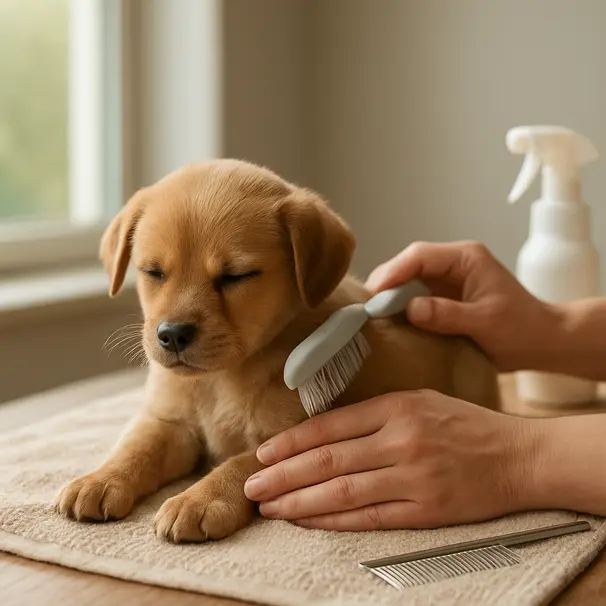
Grooming, teeth, and those tiny toes
Grooming became a bonding ritual. I started brushing Primrose’s coat gently a few minutes every other day. We touched paws, ears, and mouth regularly so vet and groomer visits would feel less scary.
Practical grooming tips:
- Brush in short sessions and make it a pleasant time with treats.
- Check ears and teeth regularly. If you spot redness or persistent odor, consult your vet.
- Trim nails carefully or ask a professional if you’re unsure. Young pups can squirm, so take it slow.
Baths were a mini event. I used warm water, a puppy-safe shampoo, and lots of calm praise. Afterwards, a towel cuddle and a quiet nap usually followed.

When help from a carer or dog walker makes life easier
As a new owner, asking for help felt like admitting I couldn’t do everything. That’s fine. Floofy carers and local dog walkers stepped in when workdays stretched long. A trusted carer can help keep routines steady, especially with mid-day pee breaks and short leash walks.
How to choose a carer:
- Look for someone who asks about routines and preferences. A good carer mirrors the puppy’s existing habits.
- Ask for references or reviews, and meet in person before booking longer sessions.
- Share clear notes: feeding times, favorite treats, leash type, and any sensitivities.
Carers can also bring little training continuity. A five-minute sit-and-treat after a midday walk keeps lessons consistent and helps Primrose generalize commands across people.
Practical checklist for the first month
A quick, printable-style checklist I used. Tuck this into a notebook or a phone note.
- Secure sleeping area and crate introduction.
- Feeding schedule and food transition plan.
- Vet appointment booked and vaccination record started.
- Short training sessions scheduled, daily.
- Socialization plan: one gentle new experience per day.
- Grooming routine started: brush, touch paws, ear checks.
- Carer or dog walker contacts saved for busy days.
- Treats and toys selected for training and enrichment.
Little disappointments and how to stay patient
Not everything is Instagram-perfect. You’ll have chewed shoes, stubborn refusals to sit, and evenings when your energy is low but the puppy is not. I learned to set small goals. One successful walk, one calm nap, one night without crying felt like wins.
A few coping strategies:
- Rotate toys to keep things interesting. Puzzle feeders can burn energy indoors on rainy days.
- Build a short, realistic schedule, and ask for help when you need it.
- Keep a humor stash. Laughing at small disasters can be the best medicine.
If you’re feeling overwhelmed, reach out to fellow pet owners or trusted carers. You don’t have to do it alone.
Final thoughts: the slow bloom of companionship
Primrose taught me how much joy lives in small routines. The first puppy stage is intense, messy, and full of awkward triumphs. It’s also one of the most rewarding ways to learn about patience, responsibility, and unconditional affection.
Keep notes on what works and what doesn’t. Celebrate small training wins. Ask for help when you need it, and consider professional advice from trainers or your vet if things get tricky. Most of all, let yourself enjoy the tiny, silly moments. They’ll become the stories you tell on long walks many years from now.
If you’re a pet carer reading this, take the time to learn the household’s rhythms. Little things, like matching a puppy’s sleep routine or using the same command for “come,” can make a huge difference. For owners, be kind to yourself. You’re building trust and a life together, one day at a time.
Thank you for reading Primrose’s beginning. I hope her small, joyful misadventures give you practical ideas and a reminder that puppies grow into the companions we teach them to be.