

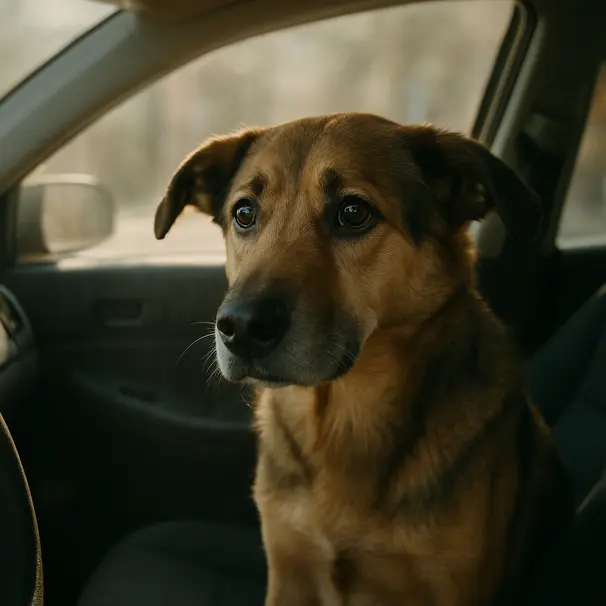
🚫 Never leave a dog in a hot car
Hot weather reminds us to slow down, enjoy the sunshine, and think about our pets. It also brings a hidden danger that every pet owner and carer should take seriously: parked cars turn into ovens. Read on for practical, friendly advice you can use right away to keep dogs safe and happy.
Why this matters: the danger is real and fast
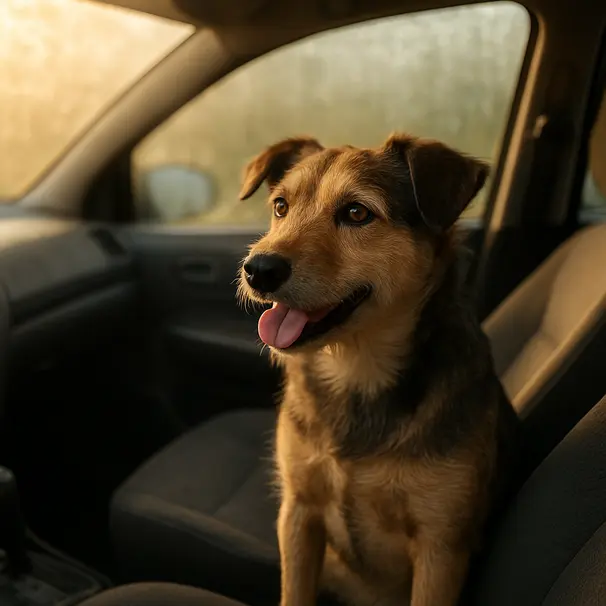
Cars heat up quickly. Even if the day feels mild outside, the inside of a parked vehicle can become dangerously warm in minutes. Dogs can’t cool down the same way people do. They rely on panting and a few sweat glands in their paws, so trapped heat can send them into distress rapidly.
Think of it like this: your dog’s body temperature needs to stay within a narrow range to feel fine. When the environment traps heat, their cooling options shrink. That can make a comfortable dog become uncomfortable, then ill, then critically unwell, all in a short span.
- Small dogs and dark-coated dogs may feel the heat sooner.
- Puppies, elderly dogs, and dogs with respiratory or heart issues may be at higher risk.
- High humidity can make things worse, because panting becomes less effective.
Always choose caution. If you wouldn’t sit in a parked car on that day, your dog shouldn’t either.
How quickly does a car heat up?
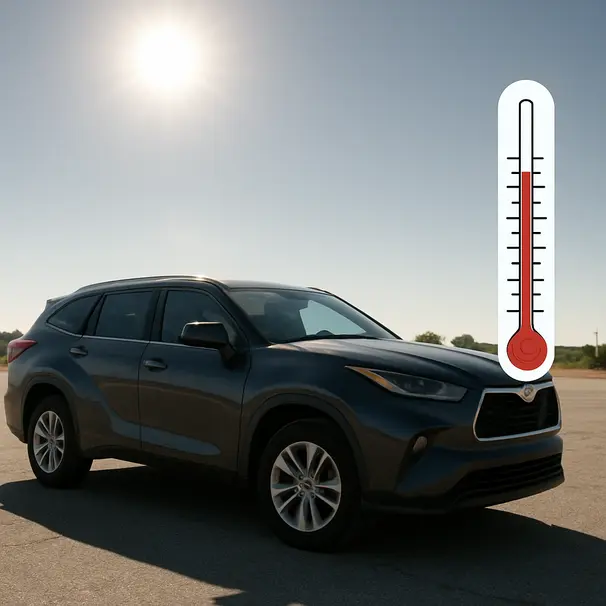
Here are some quick reference points to help you picture it. Temperatures below are approximate and depend on car color, windows, ventilation, and sunlight.
- On a 70°F (21°C) day, a parked car can reach 90°F (32°C) within 10 minutes.
- On an 85°F (29°C) day, the interior can soar to over 100°F (38°C) in 10 to 20 minutes.
A few additional notes:
- Cracking a window helps only a little. Heat still builds up fast.
- Shade helps, but as the sun moves, shaded spots can turn sunny quickly.
- SUVs and darker interiors absorb and hold heat differently than smaller cars.
If you’re unsure about the temperature inside a car, assume it will be warmer than outside and act accordingly.
Recognizing signs of heat distress in dogs
Dogs can show subtle signs before they reach a crisis. Spotting these early may let you act fast and help.
Look for:
- Heavy panting that doesn’t ease when the dog is moved to shade.
- Drooling more than usual.
- Rapid heartbeat or apparent weakness when trying to stand.
- Confusion, stumbling, or collapsing.
- Vomiting or diarrhea.
If you see any of these signs and the dog was recently in a hot car, consider this an emergency. Move the dog to a cooler area and offer small amounts of cool (not ice-cold) water. Cooling should be gradual. Sudden, extreme cooling may cause other problems. Contact a vet right away for advice and next steps.
What to do if you find a dog in a hot car
First, take a breath and assess the situation calmly. Your response can help and keep things safe for everyone.
Immediate steps to consider:
- Note details. Record the car make, model, color, and license plate number if possible. Note the time.
- Try to find the owner. Go into nearby shops or ask staff to PA the car owner. Knock on the windows and call out gently.
- Observe the dog. Is it conscious? Panting heavily? Unresponsive? Note what you see so you can report it accurately.
- Call for help. If the dog shows serious distress, call emergency services or animal control. In many places the police can help more quickly than other agencies.
Legal and safety note: Laws about breaking into cars to rescue animals vary. Before taking any destructive action, call local authorities and follow their guidance. If a dog is in clear, immediate danger and authorities advise you to act, proceed carefully. Your safety and the dog’s safety both matter.
If authorities ask you to wait, stay with the scene, keep records, and try to keep the dog in shade if possible.
If the dog is removed from the car: how to help safely
Once the dog is out of the vehicle, here’s a practical checklist to follow while waiting for veterinary care or animal control:
- Move the dog to shade and a well-ventilated area.
- Offer small sips of cool water. Don’t force water if the dog is disoriented.
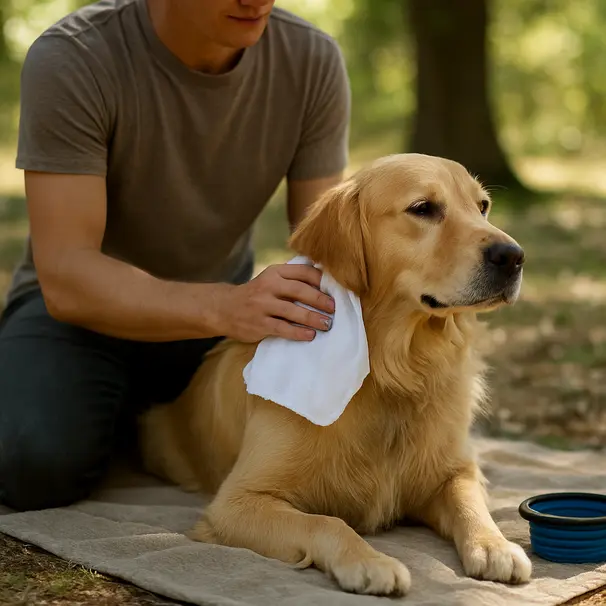
- Apply cool, wet towels to the dog’s body, concentrating on the neck, armpits, and groin. Rewet towels as they warm up.
- Avoid ice baths. An overly rapid drop in temperature can be harmful. Lukewarm to cool water is better.
- Keep the dog calm and still. Excitement and movement raise body temperature.
- Get veterinary help as soon as possible, even if the dog seems better.
These are supportive measures. A vet can assess internal issues like organ stress or abnormal clotting that aren’t visible.
Preventing hot-car emergencies: plans that work
Being prepared reduces last-minute stress. Here are practical routines and small changes that can make a big difference.
For pet owners:
- Leave your dog at home for quick errands. Many dogs are happier and safer in a familiar cool spot.
- Schedule outings earlier in the morning or later in the evening when it’s cooler.
- Book pet-friendly stores or outdoor seating areas when you can.
- If you must travel with your dog and leave the vehicle, bring a trusted pet carer or friend to stay with them.
- Keep a portable fan, sunshade, and bottled water in your car for emergencies.
For pet carers and dog walkers:
- Communicate with owners about hot-day plans. Suggest alternatives like shorter walks in shaded areas or indoor play.
- Carry a water bottle, collapsible bowl, and a cooling towel for each dog.
- Know local veterinary clinics and emergency numbers in your service area.
- If a client asks you to wait in the car with a dog, explain your concerns and offer safer options.
For quick errands:
- Use curbside pickup or delivery where possible.
- If you must step out, leave the dog at home or with a sitter.
- Keep trips short and shaded if dogs must ride with you.
Small preparation saves a lot of worry. A quick plan with your regular pet carer, like those you can find on Floofy, can mean the difference between a safe outing and an emergency.
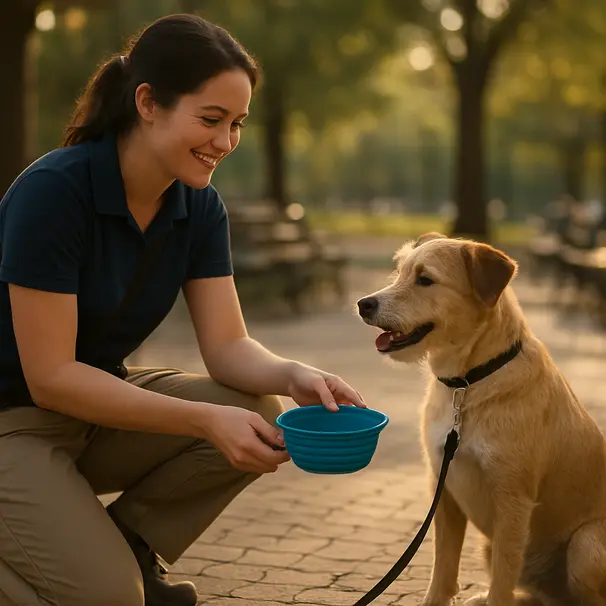
Tools and products that can help
You don’t need fancy gadgets to keep a dog safe, but a few helpful items can make hot days easier:
- Collapsible water bowl and a water bottle.
- Cooling mats or bandanas that may help lower surface temperature.
- Portable shade or pop-up canopies for sunny outings.
- Reflective sunshades for windshields to reduce heat buildup while parked.
Keep in mind these tools may help comfort a dog, but they don’t make parked cars safe on hot days. Always prioritize avoiding the situation.
If you’re a Floofy pet carer: how to talk to owners gently
Approaching owners requires warmth and empathy. Many people genuinely don’t realize how quickly things can become dangerous. Try these conversation tips:
- Start with concern, not accusation. “I want to make sure Bella stays safe today—mind if I suggest an alternative?”
- Offer options: local indoor play, a short extra walk before the heat, or rescheduling.
- Share a quick fact about how fast cars heat up to make the point memorable.
Most owners appreciate respectful, caring guidance. If an owner insists on keeping a dog in a car while they run an errand, explain that you cannot take responsibility for the dog in those conditions.
Community action: noticing and reporting
We all share the sidewalks and parking lots. If you see a dog that seems to be in danger, your quick response may help. Remember these simple steps:
- Observe and document what you see.
- Contact store staff and emergency services.
- If trained and advised by authorities, assist physically when it is safe and legal to do so.
A friendly neighborhood culture where people look out for animals can save lives.
Final thoughts: love them like family
Dogs trust us with their lives on the road. Treating them like family means making plans so they never have to bake in a car. You don’t have to be perfect, just thoughtful. Carry water, plan ahead, and when in doubt, leave your dog home or bring a trusted carer.
If you ever face a hot-car emergency, get veterinary help right away. A quick call to a vet can help you decide the safest next steps. And if you’re looking for a trusted pet carer to help with errands or travel, check Floofy listings for someone local who prioritizes pet safety.
Keeping dogs cool and safe is one of the simplest, most loving things we can do. Thanks for looking out for our four-legged friends.
- The Floofy Team