

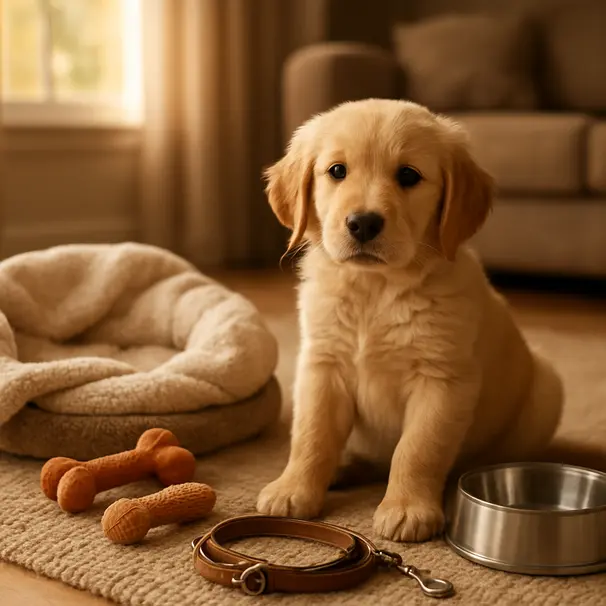
New puppy essentials: what to expect
Welcoming a puppy into your life is a wonderful mix of excitement, tiny paws, and the occasional puddle on the carpet. This guide is written by fellow pet lovers to help you prepare, settle your new friend in, and enjoy the early weeks with practical, friendly tips. Expect ups and downs, celebrate small wins, and remember that help is available if you feel unsure.
Before you bring your puppy home
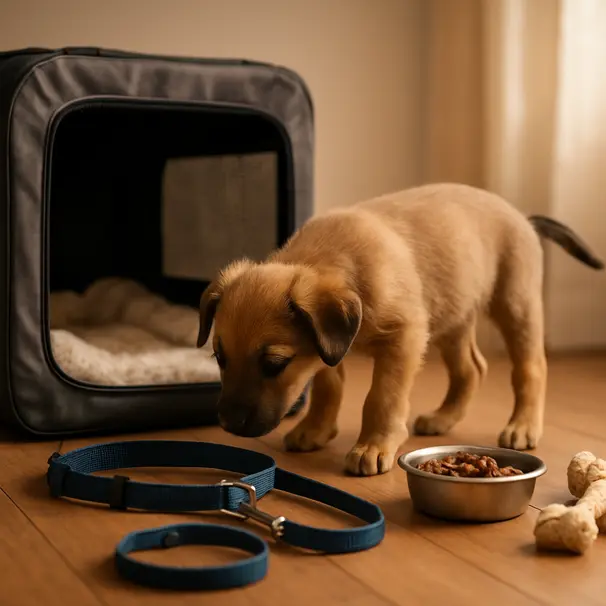
Preparation makes the first day less overwhelming. Spend a little time getting the basics ready so you can focus on calm introductions instead of hunting for a collar at midnight.
- Supplies checklist
- Collar and ID tag, and a harness for walks.
- Sturdy leash and a few safe, size-appropriate toys.
- Puppy food the breeder or shelter recommends, plus measuring scoop.
- Crate or carry bed, plus a soft blanket.
- Food and water bowls, non-slip if possible.
- Puppy pads if you plan to use them for training transitions.
- Treats for training, ideally small and soft.
- Brushes, nail clippers, and a gentle puppy shampoo.
- Cleaning supplies for accidents, enzyme-based cleaners work well.
Set up a small, quiet space where your puppy can sleep and feel secure. A hallway or a corner of the living room with a crate and blanket often works. Keep it simple, with low foot traffic and familiar smells.
Planning the first day
Bring a blanket or toy that smells like the puppy’s littermates if possible. This can ease the transition. Keep visitors minimal and let the puppy explore at their own pace. Expect curiosity, some nervousness, and short bursts of play followed by naps.
The first 48 hours: what to expect and do
The first two days are mostly about routine and comfort. Puppies are often tired after travel and change, so naps are normal.
- Feeding: Keep to the food the puppy is already eating for at least a few days to avoid tummy upset. If you need to switch food, do it gradually over a week. Measure portions and feed on a regular schedule.
- Sleep and rest: Puppies sleep a lot. A crate can provide a safe den-like spot. Place it in the family room at first so the puppy feels close to you.
- Potty attempts: Expect accidents. Take the puppy outside frequently, especially after naps, play, and meals. Praise successes, stay patient with mistakes.
- Gentle handling: Touch their paws, ears, and mouth gently so they become used to being handled. Short, calm sessions work better than long ones.
Early training basics
Training starts immediately. Keep sessions short and fun, around 3–5 minutes several times a day. Puppies learn best with positive reinforcement.
Potty training
- A consistent schedule helps. Take them out first thing in the morning, after meals, after play, and before bed.
- Use a cue like “go potty” and praise or reward with a tiny treat when they do.
- Nighttime may require a middle-of-the-night trip for very young puppies.
Crate training
- Make the crate a comfortable, positive place. Feed meals in the crate at first, and leave the door open so it’s not scary.
- Gradually increase crate time while you’re home, then try short periods when you leave.
Bite inhibition and chewing
- Puppies explore with their mouths. Offer appropriate chew toys and redirect nipping to toys.
- If they bite during play, give a short, calm “ouch” and stop play for a moment so they learn that biting ends the fun.
Basic commands
- Start with sit, come, and leave it. Use high-value treats for quick success.
- Keep commands consistent and reward good choices. Short, frequent practice wins over long sessions.
Socialisation and enrichment
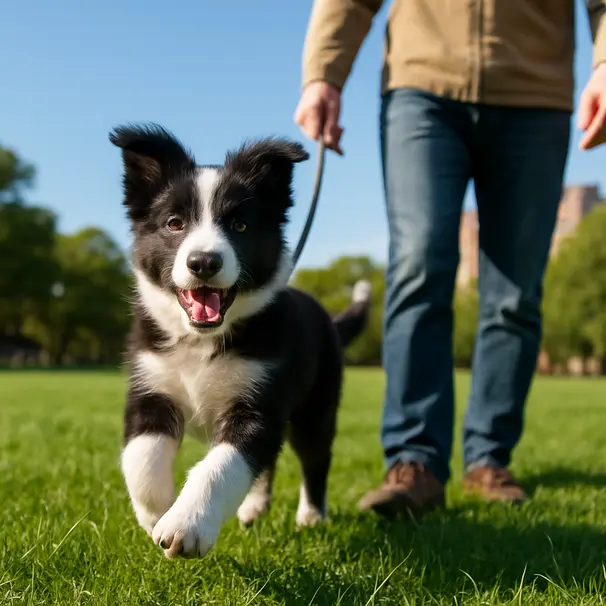
Socialisation is one of the most important things you can do early on. It helps puppies grow into confident adults. Be gentle and gradual, not rushed.
People and places
- Introduce your puppy to a range of people — different ages, clothing, and voices. Keep introductions calm and positive.
- Short outings, like a quiet walk or sitting on a park bench, can expose them to new sights and sounds.
Other dogs and animals
- Consider controlled, vaccinated playdates with friendly dogs once your vet says it’s safe. Puppy classes can be a great option.
Enrichment at home
- Puzzle toys and scent games can tire a puppy’s mind as much as a walk.
- Rotate toys to keep interest high. Hide treats for a short scavenger hunt in a safe area.
Nutrition and feeding schedule
Good nutrition supports puppy growth and behaviour. Use food formulated for puppies and follow package guidance, but remember every puppy is unique.
Feeding frequency
- Young puppies often eat three to four times a day. As they grow, meals can drop to two a day.
- Regular meal times help with potty training and appetite regulation.
Treats and table scraps
- Treats are helpful for training but should be small and count toward daily calories.
- Avoid feeding human foods that may be toxic, like chocolate, grapes, onions, and xylitol-sweetened items.
When to consider changing food
- If your puppy has digestive upset or your breeder used a special formula, consult your vet before switching foods. Gradual transition over several days usually reduces tummy troubles.
Health, vet visits, and preventative care
An early vet visit is important to start vaccinations and parasite control, and to check overall health. Consider keeping a record of vaccines, deworming, and any notable symptoms.
Vaccination and parasite schedule
- Puppies typically begin vaccinations in the first few weeks of life. Your vet can recommend timing based on local disease risks.
- Discuss flea, tick, and worm prevention options appropriate for your puppy’s age and weight.
Microchipping and identification
- Microchipping provides a permanent form of ID. Pair it with a collar and tag that lists your phone number.
When to call the vet
- Call if your puppy shows signs like persistent vomiting, diarrhea, difficulty breathing, extreme lethargy, or refusal to eat. Trust your instincts and contact a professional for guidance.

Grooming and basic care
Start grooming early so your puppy accepts it as part of life. Short, relaxed sessions help build positive associations.
Brushing and bathing
- Brush regularly to remove loose fur and check for skin issues. Bathing too often can dry the skin, so follow your vet’s advice on frequency.
Nails and ears
- Trim nails carefully, and introduce a calm routine for ear checks and cleaning. Reward cooperative behaviour with treats and praise.
Dental care
- Introduce tooth brushing gradually with a dog toothbrush and toothpaste. Chew toys can also help keep teeth cleaner between brushing sessions.
Puppy-proofing your home
Safety is key. Walk through your home at a puppy’s eye level and think about what would be tempting or dangerous.
Common hazards
- Electrical cords, small objects, toxic plants, chemicals, and unsecured trash can be risky.
- Keep cleaning products and medicines out of reach, and consider cord protectors for wires.
Create safe zones
- Use baby gates or a crate to limit access to unsafe areas. Provide plenty of chew toys to satisfy natural gnawing instincts.
Sleep, routine, and building a bond
A predictable routine helps puppies feel secure. Meals, play, training, and rest on a consistent schedule make life easier for both of you.
Bedtime tips
- A warm blanket and a quiet location help. Some puppies like a ticking clock or a low-volume white noise machine to mimic littermate sounds.
Bonding activities
- Quiet cuddles, grooming, and gentle training sessions build trust. Keep interactions positive, and give the puppy space when they seem tired.

When to ask for help
It’s normal to have questions. Reach out early if you’re unsure or stressed. Professional trainers, behaviourists, and vets can offer tailored advice.
Behavioural concerns
- Persistent fear, aggression, or extreme separation anxiety may benefit from a behavioural consult.
Health worries
- If anything seems off, from unusual lumps to changes in appetite, a vet visit can provide clarity and peace of mind.
Practical tips from carers and owners
- Keep a ‘first week’ journal. Note feeding amounts, potty times, and interesting behaviours. It helps pattern recognition for training and vet visits.
- Short walks and lots of sniff time beat sprinting until vaccinations are complete. Puppies learn a lot by sniffing the world.
- Celebrate small wins. A successful sleep through the night, a clean potty outside, or a calm greeting are all progress.
Final thoughts
Puppies bring a lot of love and a learning curve. With preparation, patience, and consistent care, you’ll be setting them up for a happy, healthy life. If you need extra help, trusted pet carers and trainers can offer support. Enjoy the journey, and let the little moments — silly, tender, and sometimes messy — remind you why you took this wonderful step.