

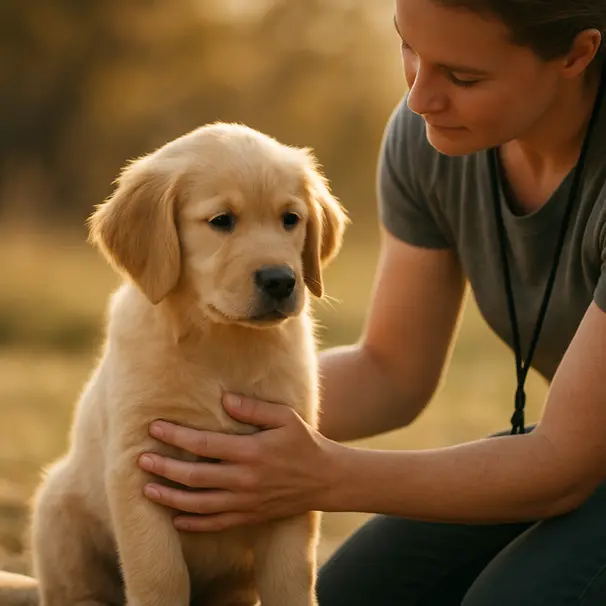
New puppy stress? Trainer-backed advice
Bringing a new puppy into the family is a bundle of joy, and sometimes a bundle of nerves. Puppies are tiny explorers with big emotions, and the change of home, people, sounds, and routines can leave them confused or stressed. This post shares warm, practical, trainer-backed advice to help you recognize stress, soothe your pup, and build confident routines that set everyone up for success.
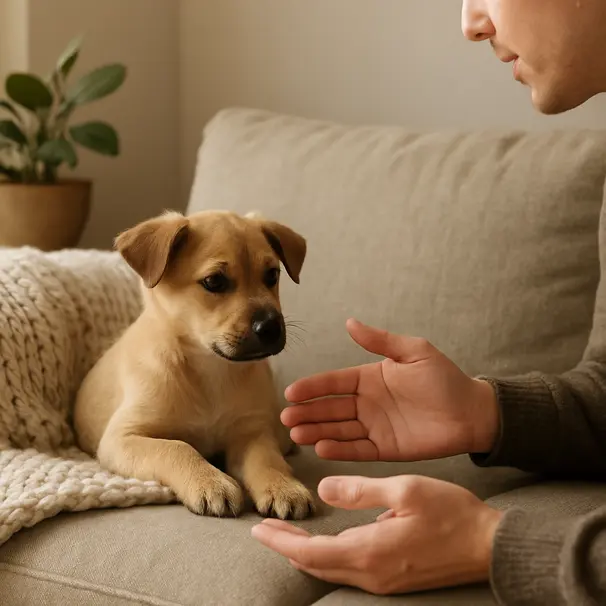
How trainers think about puppy stress
Experienced trainers often say stress is just a signal from a puppy that something feels unpredictable or unsafe. It’s an opportunity to tune in, not to punish. The aim is to reduce overwhelming moments, build positive associations, and teach coping skills with kindness. Think of training as equipping your puppy with tools to handle a big world, one gentle step at a time.
What causes stress in a new puppy
- New environment: different smells, surfaces, and noises.
- Separation from littermates and mother.
- Inconsistent routines and feeding times.
- Too much, too soon social exposure.
- Unclear or harsh handling.
Recognizing the cause helps you choose a response that actually calms your puppy.
Spotting stress: the signs trainers notice first
Puppies don’t use words, so they send signals. Trainers watch for early cues before full-blown panic or shutdown.
- Body language: tucked tail, tense body, ears back.
- Low-level avoidance: yawning, lip licking, turning head away.
- Vocalisation: whining or high-pitched barking that feels anxious.
- Hyperactivity or freezing: either frantic energy or immobility.
- Changes in appetite or bathroom habits.
If your puppy shows these signs, pause and ask: what just changed? Did someone reach in too quickly? Did a loud noise startle them? A moment of observation helps you respond with empathy instead of frustration.
Immediate calming strategies you can use now
When your puppy shows stress, use quick, simple responses that signal safety.
- Pause and lower your energy: talk quietly, move slowly, and avoid looming over them.
- Offer a choice: give a small path to back away or a cozy spot to retreat.
- Use food for gentle redirection: tiny high-value treats can shift attention and create a positive link.
- Gentle touch if they like it: soft strokes along the chest or under the chin may comfort some pups.
- Short timeouts from interaction: a minute of quiet in a secure area can help a puppy reset.
These are short-term tools. If stress is frequent, build them into longer-term plans.
Build calm with predictable routines
Routines are one of the best stress-busters for puppies. Predictability helps them learn what to expect, and that reduces worry.
- Set consistent feeding times and a simple mealtime routine.
- Regular sleep and nap schedules: puppies need a lot of rest.
- Short, regular toilet breaks to avoid discomfort and accidents.
- Designate quiet zones and play zones so your pup learns the household map.
A routine doesn’t have to be rigid. Think consistent anchors that help your puppy anticipate the day. Trainers recommend keeping transitions deliberate and calm, so leaving the house or going to bed becomes familiar rather than dramatic.
Gentle socialization: timing and pace matter
Socialization is often misunderstood. It’s not about exposing a puppy to everything immediately. It’s about thoughtful, positive experiences that build confidence.
- Start slow and positive: introduce one new person or situation at a time.
- Keep early meetings short and sweet: let your pup approach at their own pace.
- Use treats and praise to create good associations with new things.
- Avoid overwhelming settings like busy dog parks in the first weeks.
Goal: curious, not fearful. A curious puppy is learning. A fearful puppy needs more careful support.
Training basics that reduce anxiety
Training gives puppies structure and mental work, both of which can ease stress.
- Teach a reliable recall and name response using short sessions.
- Try simple manners: sit, wait, and leave it. These calm the brain by shifting focus.
- Practice handling exercises so vets and groomers feel less scary later.
- Use reward-based methods. Positive reinforcement helps puppies associate learning with good things.
Keep sessions brief, five to ten minutes, multiple times a day. End on a success so your puppy goes to the next activity feeling competent.
Crate training with comfort and choice
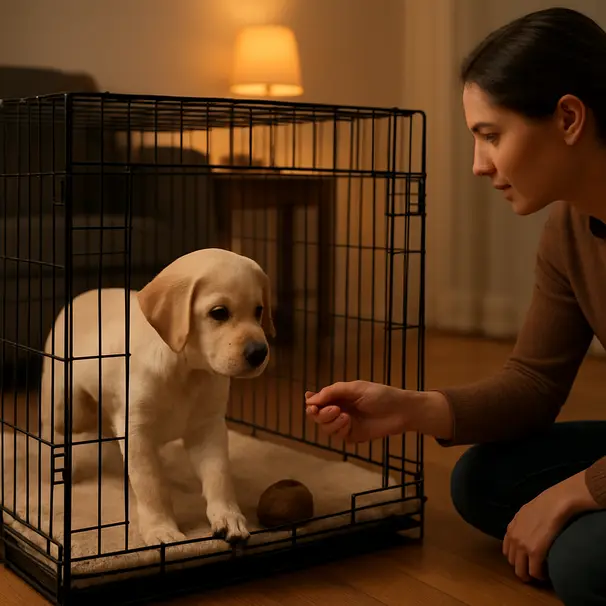
Crate training can be a huge help when done kindly. For many puppies, a crate becomes a safe den. Trainers stress that the crate must be a positive choice, never punishment.
- Make the crate comfortable with bedding and a safe chew toy.
- Feed meals near or inside the crate to build a positive association.
- Start with very short, happy stays and slowly increase duration.
- Leave the door open at first so the puppy can explore voluntarily.
If your puppy panics in a crate, step back. Shorter stays and more positive reinforcement may be needed. The crate should become a place your pup wants to be, not one they fear.
Practicing separation in small steps
Separation is one of the biggest stress triggers. Build confidence with gradual practice.
- Begin with tiny absences: a few seconds at first, then a minute, then longer.
- Keep departures low-key: no big goodbyes that heighten emotion.
- Give a special toy or treat that only appears during alone time.
- Avoid returning at the first whine; wait for a quiet moment so you reinforce calmness.
Over time, these small steps teach your puppy that you always come back. Patience here pays off.
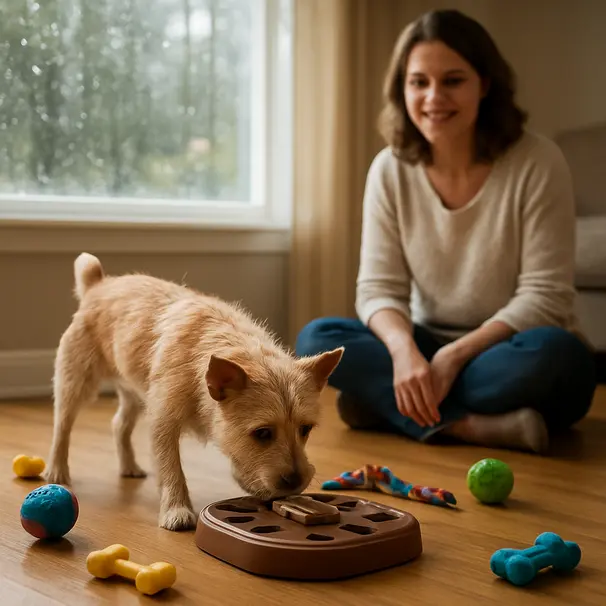
Enrichment and play to channel nervous energy
A tired puppy is often a calmer puppy. Mental enrichment can be even more effective than physical exercise alone.
- Puzzle feeders and slow-dispensing toys extend meal times and engage the brain.
- Short training games build confidence and connection.
- Scent games: hide treats around a room for your puppy to find.
- Rotate toys so novelty stays fresh and boredom is avoided.
Variety is key. If the weather or schedule limits walks, indoor enrichment can maintain balance and reduce stress.
When to involve a trainer or vet
Seek professional help if stress is frequent, worsening, or causing risky behaviours. Trainers can offer tailored behaviour plans, and vets can rule out medical causes.
Consider contacting a trainer or behaviourist if your puppy:
- Shows escalating fear or aggression.
- Has trouble eating, drinking, or sleeping for several days.
- Hurts themselves through excessive mouthing, scratching, or escape attempts.
If you suspect pain or illness, consult your vet promptly. Trainers and vets often work best together, especially in complex cases.
A practical day-to-day checklist
Use this short checklist to keep things simple while you build habits.
- Morning: calm greeting, breakfast, short walk, brief play or training.
- Midday: nap, short enrichment session, potty break.
- Afternoon: outing or training practice, social exposure in small doses.
- Evening: family time, dinner, gentle handling practice, wind-down routine.
- Night: quiet crate time or bedroom routine, consistent lights-out cue.
Adjust timing to your household, but keep the structure. Consistency is what really helps a puppy feel safe.
Sample short session plan for a nervous pup
- Five-minute calm greeting, no over-excitement.
- Three-minute name-and-reward drill to focus attention.
- Five minutes of chew-based enrichment while you quietly move around the house.
- One-minute calm petting session, ending on a positive note.
Repeat several times a day as energy and attention allow. Small, gentle wins add up.
FAQs from trainers
Q: My puppy whines when I leave. Is that normal? A: Some whine during early separation. Gradual desensitization and special alone-time toys may help. If whining intensifies or continues for hours, consult a trainer.
Q: Is socializing at a puppy class too much? A: Not if it’s managed well. Choose classes that prioritize calm introductions and positive experiences, and keep sessions short.
Q: How do I know if my puppy is just energetic or actually stressed? A: Look for patterns and body language. Energetic play tends to be wiggly and reciprocal. Stress often comes with avoidance cues and a tense body.
Final note: patience, love, and small steps
A puppy’s early weeks shape how they see the world. With empathy, predictable routines, and short, positive training sessions, you can help your puppy grow into a confident adult. Celebrate small progress and remember, trainers and vets are valuable partners if things feel hard. You don’t have to get everything perfect — just consistent, kind efforts will make a big difference.
If you’d like, Floofy can help you connect with trusted local trainers and carers who understand puppy stress and can support you with practical, hands-on guidance.