

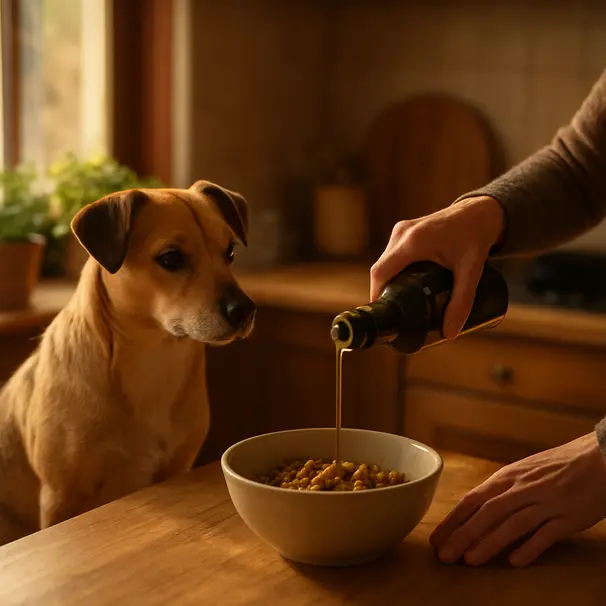
Olive oil for dogs: healthy or harmful?
If you’ve ever watched a cooking show and thought, “Could this olive oil be good for my dog?” you’re not alone. Olive oil is a pantry staple in many homes and often gets a reputation for being wholesome. But when it comes to our furry friends, things get a little more complicated. This article walks you through the basics, the possible benefits, practical dosing tips, and important safety notes so you can make a calm, informed choice with your dog’s health in mind.
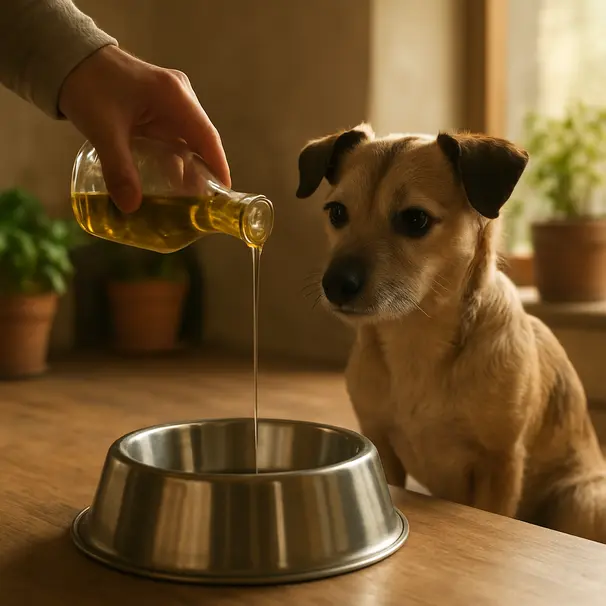
What exactly is olive oil?
Olive oil is a pressed oil from olives. In human nutrition it’s praised for healthy fats and antioxidants. For dogs, that same composition is the reason people consider adding a small amount to meals. Olive oil contains monounsaturated fats, some polyunsaturated fats, and minor amounts of vitamins like vitamin E. It also carries plant compounds that may have mild antioxidant activity.
That said, a dog’s nutritional needs differ from ours. Dogs can digest fats, but extra fat in the diet changes calorie count, texture of stools, and can interact with certain medical conditions. Keep the big picture in mind: olive oil is one ingredient among many, not a magic fix.
Potential benefits people often mention
People give olive oil to dogs for a few common reasons. It’s useful to consider why you might try it, and what you realistically might expect.
- Coat and skin support: A light drizzle may help reduce minor dryness. Fat helps skin stay moisturized and fur look shinier, so a little olive oil can sometimes help a dull coat.
- Palatability: Dogs that pick at dry kibble sometimes eat better when something tasty is mixed in. Olive oil can add flavor and moisture.
- Easing constipation: In some cases a small amount may loosen very mild constipation by adding lubrication, but this effect isn’t reliable and shouldn’t replace targeted treatment.
- Antioxidant boost: Olive oil contains plant compounds that may have antioxidant effects in lab studies, but the real-world impact for a dog eating a tiny amount is uncertain.
Use words like “may” and “can”—those cover the reality. Some dogs show small improvements, other dogs show no change at all.
Risks and safety considerations
Before you reach for the bottle, it’s important to be cautious. Olive oil is calorie dense, and extra fat can cause problems.
- Weight gain: Olive oil adds calories fast. If your dog is on a strict calorie plan, even a tablespoon a day can make a difference over weeks.
- Digestive upset: Vomiting or diarrhea can happen, especially if given in large amounts or to dogs with sensitive stomachs.
- Pancreatitis concern: Dogs with a history of pancreatitis or at risk for it need to avoid high-fat additions. Pancreatitis is serious, and a high-fat snack could trigger it in vulnerable dogs.
- Allergies and sensitivities: True olive allergies are rare, but individual sensitivities exist. Watch for itching, hives, or unusual GI signs.
When in doubt, slow and steady is the best approach. If your dog shows any worrying signs after trying olive oil, stop and call your vet.
How to choose the right olive oil
Not all olive oils are created equal. If you intend to use olive oil occasionally for your dog, here are a few tips:
- Prefer extra virgin olive oil for minimal processing and a richer nutrient profile.
- Avoid flavored or infused oils that contain garlic, onion, chili, herbs, or other additives. Some flavorings can be toxic to dogs.
- Don’t use cooking oils that have been sitting on the counter for months and look cloudy. Freshness matters.
- Store oil in a cool, dark place to preserve its quality.
A good rule of thumb: use the same common-sense standards you would for yourself, but err on the side of plain, simple oil.
Practical dosing guidelines
Exact dosing depends on size, activity level, and overall diet. The following are general suggestions many pet carers use as a starting point. Always consider your dog’s calorie needs and talk with your vet first.
- Small dogs (under 15 lb): 1/4 teaspoon to 1/2 teaspoon once daily may be plenty.
- Medium dogs (15–50 lb): 1/2 teaspoon to 1 teaspoon once daily.
- Large dogs (over 50 lb): 1 teaspoon to 1 tablespoon once daily.
Start at the lower end and watch your dog for a few days. If stools stay firm and the coat looks good, you can consider maintaining that amount. If soft stools or other GI signs appear, reduce or stop the oil and check with your vet.
How to give it
- Mix into food: Drizzle over kibble or wet food and stir thoroughly.
- Use occasionally: Many owners give olive oil only a few times per week rather than every day.
- Not a laxative routine: If your dog is constipated, consult a vet before relying on olive oil as a treatment.
Safe uses and things to avoid
There are a few uses where olive oil is commonly applied, and a few where it’s better to skip it.
Safe, occasional uses:
- Light coat boost when combined with a balanced diet.
- To make dry food more appetizing during short-term picky eating.
- As a minor ingredient in homemade dog treats made from dog-safe recipes.
Avoid these uses:
- Ear cleaning: Never put olive oil in a dog’s ear without veterinary advice. If your dog has an ear infection, oils can trap bacteria and worsen the problem.
- Heavy cooking: Heated oil loses some nutritional value. A drizzle on cooled food is better.
- Treating ongoing medical issues alone: If your dog has chronic skin problems, digestive issues, or weight concerns, talk to a vet rather than relying on olive oil.

Alternatives to consider
Olive oil isn’t the only source of healthy fats. Depending on your goals, other options may be a better fit.
- Fish oil (omega-3): Often recommended to support skin, coat, and joint comfort. Many vets prefer fish oil for its specific omega-3 profile.
- Flaxseed oil: Plant-based source of omega-3s, but conversion to the beneficial form may be limited in some dogs.
- Commercial supplements: Many products are formulated specifically for dogs and include balanced doses that are easier to manage than kitchen oils.
Again, talk to your vet before switching or adding supplements. A tailored approach can help you avoid extra calories and ensure the right type of fat for your dog’s needs.
When to check with the vet
You should consult your veterinarian before adding olive oil to your dog’s diet if any of these apply:
- Your dog has a history of pancreatitis.
- Your dog is overweight or on a calorie-restricted plan.
- Your dog has chronic diarrhea or vomiting.
- You’re unsure about drug-nutrient interactions with current medications.
Even if your dog seems healthy, a quick question during a routine visit helps you get personalized guidance. Vets can recommend exact amounts based on body condition score and total caloric intake.

Practical tips for pet carers and sitters
If you walk dogs or look after other pets, here are friendly guidelines to follow when owners mention olive oil:
- Ask questions: How much is the owner giving, and how often? Note if the dog has any medical history.
- Keep portions small: Unless the owner specifically instructs otherwise, stick to minimal amounts to avoid GI upset.
- Watch for changes: Note any diarrhea, vomiting, or changes in appetite and report back promptly.
- Don’t improvise with flavored oils: Owners might have special oils at home with added garlic or onion; avoid giving those.
Being cautious shows you care, and small steps prevent big problems.
Simple, dog-friendly olive oil recipe ideas
If you and your vet decide a bit of olive oil is fine, here are a few gentle uses:
- Morning mix: Stir 1/4 teaspoon (small dog) or 1/2 teaspoon (medium dog) into kibble once a day for a week and observe.
- Veg mix: Blend cooked pumpkin or sweet potato with a tiny drizzle for a fiber-rich topper dogs often love.
- Homemade treats: Add a small amount of olive oil to oat-based dog biscuit recipes that use dog-safe ingredients.
Keep recipes simple and stick to safe human foods. Avoid adding onions, garlic, chocolate, grapes, or other toxic ingredients.
Final thoughts: be thoughtful, not fearful
Olive oil can be a helpful, low-cost tool for smoothing dry kibble or giving a little boost to a dull coat. It’s not a miracle cure and it’s not inherently dangerous in tiny amounts for most healthy dogs. The real key is moderation and context. Consider your dog’s size, overall calorie intake, and medical history before adding anything new.
If you ever feel unsure, a short conversation with your veterinarian will get you the tailored advice your particular dog needs. And if you’re a pet carer on Floofy, make sure owners share any supplements or special treats in advance. Clear communication helps keep tails wagging and worries low.
Want more handy tips about pet nutrition and safe treats you can prepare at home? Check out other Floofy guides or chat with a trusted carer for practical, dog-friendly ideas.