

Olive oil for dogs: safe or not?
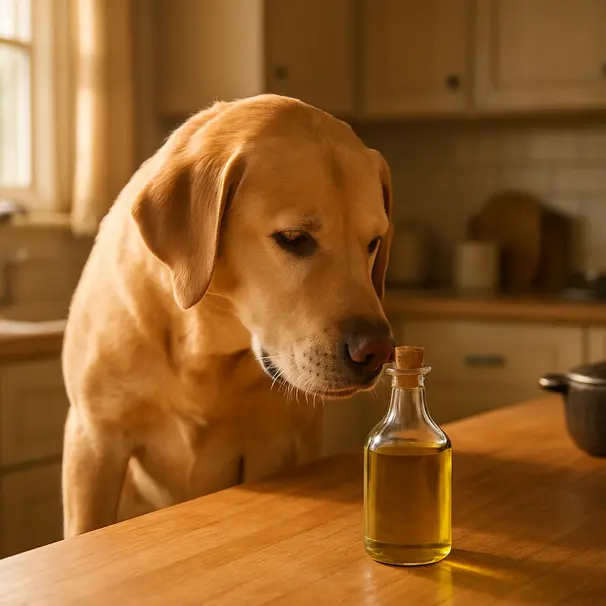
If you’ve ever caught your dog sniffing at a bottle of olive oil on the kitchen counter, you’re not alone. Olive oil is a pantry staple in many homes, and it’s natural to wonder if that glossy, green-gold liquid could do your pup any good. This guide walks through the basics, highlights possible benefits and risks, and gives practical, safe suggestions for pet owners and carers who want to use olive oil responsibly.
Quick answer
In small amounts, extra virgin olive oil may be safe for most dogs and can sometimes help with dry skin or adding healthy fats to their food. However, it’s not a cure-all, and it may not suit every dog. Consider your dog’s size, existing health conditions, and talk to your vet before making olive oil a regular part of their diet.
What is olive oil, and why do people consider it for dogs?
Olive oil is a plant-based oil pressed from olives. Extra virgin olive oil is the least processed version, and it’s prized for its taste and for containing monounsaturated fats and certain antioxidant compounds. In human nutrition, olive oil may support heart health and skin condition. For dogs, the interest usually centers on two ideas:
- Adding a source of healthy fat to improve skin and coat condition.
- Using a small amount as a mild laxative for occasional constipation.
Those are the common reasons people think about olive oil for dogs. Still, some of the benefits seen in people don’t always translate directly to pets. That’s why we use cautious language like “may” and “consider,” and recommend consulting a veterinarian.
Potential benefits, explained gently
Here are some ways olive oil may help dogs, with a practical eye on what to expect.
- Skin and coat: A small amount of olive oil added to meals may help moisturize skin from the inside, which can lead to a shinier coat. This can be especially noticeable in dogs with dry, flaky skin.
- Digestive smoothing: Olive oil can act as a gentle lubricant for the digestive tract. In some dogs, a teaspoon can help soften stool. Use this sparingly and only occasionally.
- Palatability: For picky eaters, a light drizzle can make kibble more appealing without resorting to high-sodium or processed toppers.
These possible benefits are subtle. Olive oil is not a replacement for veterinary treatments for skin disease, allergies, or chronic digestive problems. If your dog has persistent issues, consider it a temporary or supportive measure while you consult a professional.
What the research says, briefly
There is limited direct research on olive oil specifically for dogs. Much of what we think about comes from human nutrition studies and general knowledge about dietary fats. Some canine studies have looked at different fats and oils, and found that fat type can influence coat quality and overall calorie intake. Still, evidence is not strong enough to declare olive oil a medical treatment for any condition in dogs.
That uncertainty is another reason to have a vet involved. If your veterinarian thinks a fat supplement could help, they can recommend appropriate dosing and monitor for side effects.
Risks and when to avoid olive oil
Olive oil is not dangerous in tiny amounts for most healthy adult dogs, but there are scenarios where it’s better avoided or used with caution.
- Upset stomach: Too much oil can cause vomiting, diarrhea, or greasy stool. Start very small and watch your dog’s response.
- Pancreatitis risk: Dogs with a history of pancreatitis or high blood fat levels may be at higher risk when fats are added to their diet. In these cases, avoid olive oil unless your vet approves.
- Weight gain: Olive oil is calorie dense. Regularly adding oil to meals without adjusting overall calories can lead to unwanted weight gain.
- Allergic or sensitive dogs: Any new food can cause a sensitivity. Monitor for itching, hives, or digestive upset.
If your dog is on a special diet, has metabolic disease, or takes medication, check with your vet before adding olive oil.
How much olive oil is safe? Practical serving sizes
There’s no one-size-fits-all dose, but these conservative guidelines help keep things safe:
- Toy breeds under 10 lb: 1/4 teaspoon occasionally.
- Small dogs 10–30 lb: 1/2 teaspoon occasionally.
- Medium dogs 30–60 lb: 1 teaspoon occasionally.
- Large dogs over 60 lb: 1 teaspoon to 1 tablespoon occasionally.
Occasionally is the key word. Consider offering olive oil no more than a few times a week at these small amounts. If you see loose stool, reduce the amount or stop entirely. Your vet may suggest a different dose based on medical history.
How to introduce olive oil safely
If you and your vet decide to try olive oil, follow these practical steps to reduce risk and make the experience pleasant.
- Start small. Begin with a tiny amount and watch for 48 hours for any changes in digestion or behavior.
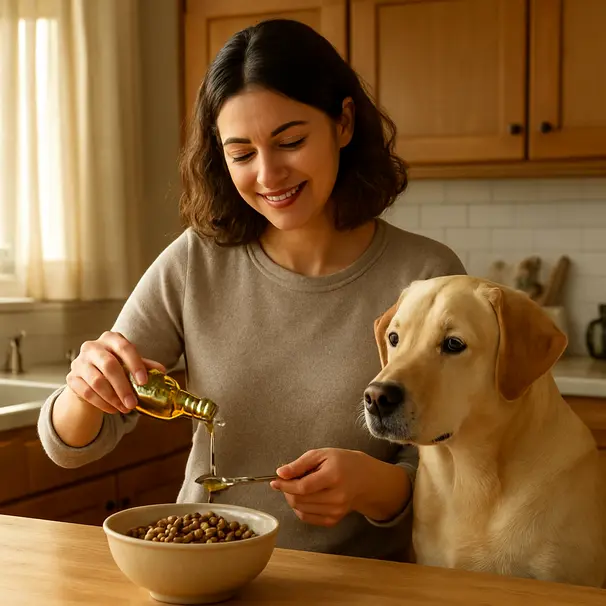
- Mix it in. Stir the oil into your dog’s food so it’s evenly distributed. That helps reduce the chance of an oil-only upset stomach.
- Use extra virgin sparingly. It has a stronger flavor and higher antioxidant content, but it’s fine to use. Light or regular olive oil is less intense in taste and still provides fats.
- Measure consistently. Use a teaspoon or measuring dropper so you don’t accidentally add too much.
- Track calories. If your dog needs a controlled weight plan, account for the extra calories from oil in their daily intake.
If you’re a pet carer or sitter, check with the owner and confirm any trial of olive oil with them before offering it.
Choosing the right olive oil and storage tips
A few notes on choice and storage can help preserve quality and reduce risks:
- Extra virgin olive oil is minimally processed and rich in flavor. It’s a fine choice in small amounts.
- Store oil in a cool, dark place. Heat and light can degrade it.
- Don’t use flavored oils with garlic, onion, or herbs that might be toxic to dogs. Plain olive oil is safest.
- Use a clean spoon or dropper to avoid contaminating the bottle.
Alternatives to olive oil and comparisons
If you’re exploring oils for skin, coat, or digestion, consider these alternatives, but check with a vet first:
- Fish oil, rich in omega-3s, may help inflammation and coat condition. It usually comes in measured supplements, which makes dosing easier.
- Flaxseed oil provides plant-based omega-3s. It can be a good option for dogs that don’t tolerate fish oil.
- Coconut oil is popular for topical use and occasional oral use, but it’s high in saturated fats and may upset some dogs.
Each oil has a different fatty acid profile. Choosing the right one depends on the health goal, calorie considerations, and any medical conditions.
Simple, safe ways to use olive oil with food
Here are a few practical ideas for adding olive oil in a controlled way:
- Kibble topper: Add a 1/4 to 1/2 teaspoon to a small dog’s meal to enhance aroma.
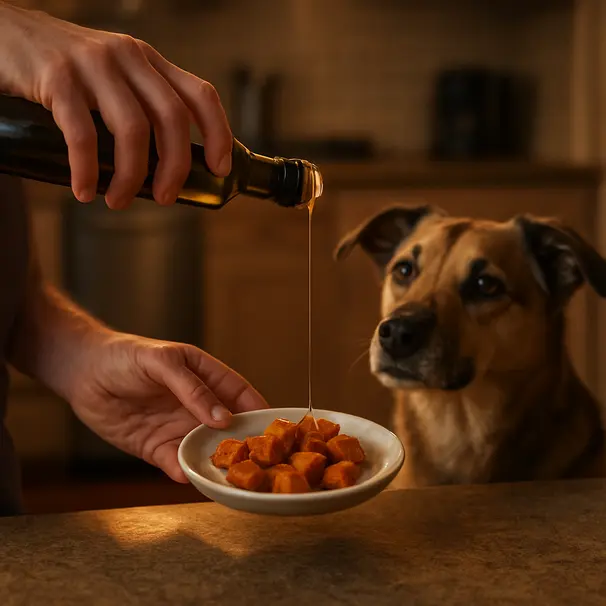
- Veggie mix: Lightly toss cooked, dog-safe vegetables like sweet potato cubes with a tiny bit of olive oil.
- Training treat boost: A dab on a low-calorie treat can make it more exciting for a picky dog.
Avoid giving straight oil from a spoon as a regular habit. Mixing into food helps digestion and avoids a sudden fat load.
Homemade snack idea: pumpkin and olive oil topper
Pumpkin is gentle on digestion, and a little olive oil can make it tastier. Try this simple topper:
- 1 tablespoon plain canned pumpkin (not pie filling)
- 1/4 teaspoon olive oil for small dogs, up to 1 teaspoon for medium-large dogs
Mix and add a spoonful to your dog’s meal. This is an occasional treat, not a daily staple. Monitor for stool changes.
Watching for side effects and when to call the vet
Keep an eye out for these signs after introducing any new food or oil:
- Loose stools or diarrhea
- Vomiting
- Lethargy or unusual behavior
- Signs of pancreatitis, such as severe abdominal pain, persistent vomiting, or reluctance to eat
If you notice persistent or severe symptoms, call your veterinarian promptly. If your dog has a history of pancreatitis, contact your vet before introducing any dietary fat.
Special situations: puppies, seniors, and medical conditions
- Puppies: Their digestive systems are still developing. If you want to give olive oil to a puppy, consult the breeder or your vet first. Keep amounts very small.
- Senior dogs: Older dogs may have more sensitive digestion or underlying conditions. A vet check is a good idea before changes.
- Dogs with allergies or skin conditions: Olive oil may help mildly, but allergy management often requires targeted approaches like hypoallergenic diets or medicated shampoos. Work with your vet for a plan.
Tips for pet carers and sitters
If you care for someone else’s dog, follow these steps:
- Always get written or verbal permission from the owner before offering olive oil.
- Confirm the correct amount and how often it should be given.
- Watch for immediate reactions during your time with the dog and report anything unusual to the owner.
Being cautious protects both the dog and your reputation as a careful carer.
FAQs
- Can olive oil help with constipation? Occasionally it may soften stool, but there are safer, vet-approved remedies for chronic constipation. Use olive oil sparingly.
- Is olive oil healthier than fish oil? They offer different fats. Fish oil is higher in omega-3s, which can be helpful for inflammation. Olive oil is rich in monounsaturated fats and antioxidants.
- Can I use cooking olive oil from the stove? If it’s plain olive oil with no added flavors, a small amount is okay. Avoid flavored oils or oils used for high-temperature frying that might be degraded.
Final thoughts
Olive oil can be a safe, pleasant little addition to some dogs’ diets when used sparingly and sensibly. It may help with coat sheen and palatability, and it can be a gentle occasional aid for digestion. However, it’s not a replacement for veterinary care. Consider your dog’s size, health history, and calorie needs, and check with your vet before starting any regular supplement.
If you’re a pet carer or sitter, communicate with the owner and follow their instructions closely. Small choices in the kitchen can make a big difference in a dog’s comfort and health.
If you want help deciding whether olive oil might suit your dog, write down your dog’s age, weight, current diet, and any health issues, and bring that information to your vet. A short conversation can save time, worry, and an upset stomach.
Happy snuggling and safe feeding from the Floofy team, and remember to keep treats tasty and choices thoughtful.