

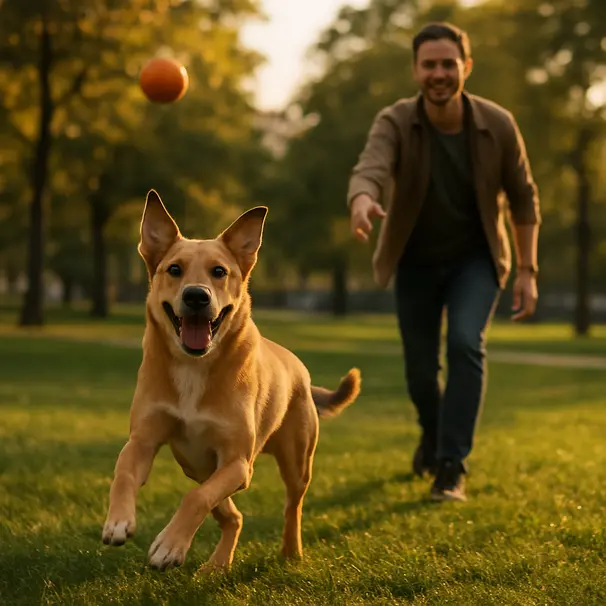
Outdoor exercise for dogs: practical tips for owners and pet carers
A good outdoor session can make a dog calmer at home, more confident on the lead, and happier all round. This article is a friendly, practical guide for pet owners and pet carers who want to plan thoughtful, safe, and enjoyable exercise for dogs of different ages, sizes, and energy levels.
Why time outside matters
Walking and playing outdoors isn’t just about burning off energy. It gives dogs new smells, sights, and chances to practise behaviour in real life. For carers it’s an opportunity to bond and reinforce good habits. For owners, a consistent outdoor routine can make home life smoother and reduce unwanted behaviours caused by boredom.
Happier dogs tend to be healthier dogs. Regular movement can help maintain a healthy weight, support joint mobility, and keep minds engaged. Consider speaking with a veterinarian about a tailored exercise plan if a dog has health concerns.
Getting started: know the dog
The first step for owners and carers is a short intake: check the dog’s age, medical history, walking style, recall, and any fears or reactivity. A few quick notes help you choose routes, gear, and games.
- Puppies: Shorter, frequent outings with careful supervision. Avoid long, strenuous walks until growth plates mature. Gentle socialisation and play are key.
- Adults: Match session length to breed and individual energy. Working and herding breeds will generally need more intense or longer sessions.
- Seniors: Slower, shorter walks with interest pauses. Watch for stiffness and avoid slippery surfaces.
Spend the first walk assessing leash manners and how the dog handles distractions. Use positive reinforcement to reward calm behaviour and to build trust between carer and dog.
Planning a safe outing
A little planning goes a long way. Think about route, time of day, weather, other dogs, and how long the dog has been left before you arrive.
- Choose routes with shade and places to rest for warm days.
- Avoid hot pavement that can burn paws; if your hand gets too hot the pavement is too hot for paws.
- Consider the dog’s fitness and recent activity; a dog that’s been cooped up all day may need an easier start.
Bring water and a collapsible bowl. Fresh water can help prevent overheating and keep the dog comfortable. Carry a basic first-aid kit and a phone in case of emergencies.
Gear that makes a difference
Good equipment keeps dogs safe and carers confident.
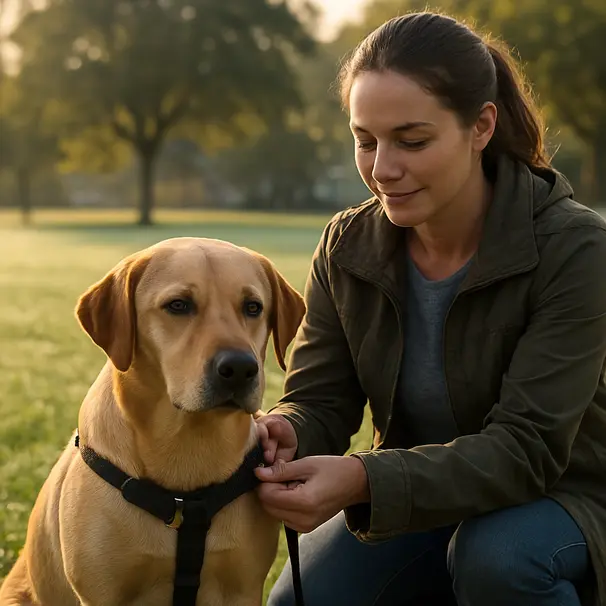
- Collar or harness: A well-fitting harness can reduce strain on the neck, especially for dogs that pull. Check fit regularly.
- Leash: For busy areas choose a short, sturdy leash. For open spaces a longline can offer freedom while keeping control.
- ID: Always ensure tags and microchip details are up to date. If a dog slips free, quick ID makes a huge difference.
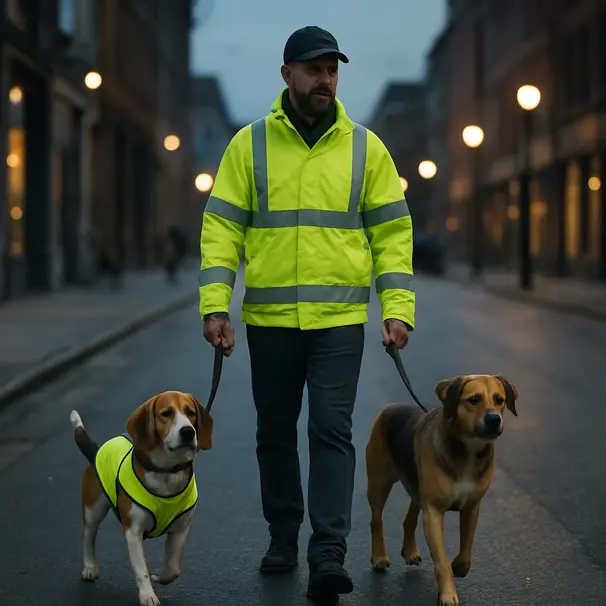
- Weather extras: Booties for hot or icy surfaces, a lightweight cooling coat for long-haired breeds, and a reflective vest for evening walks.
Choose gear that suits the dog’s size and temperament. Introduce new gear slowly, and reward the dog while they get used to it.
Warm-up and cool-down: short but effective
Dogs, like people, benefit from a gentle warm-up before high-energy play. A few minutes of walking at a steady pace and light stretching through movement can help joints and muscles prepare. After play, allow a slow walk back to settle breathing rates and heart rate.
Simple warm-up ideas:
- Short walk with gradual increase in pace.
- Practice easy cues like sit, stand, and paw to engage core muscles gently.
- Let the dog sniff; mental work helps warm up the brain and muscles together.
Cool-down:
- Slow walking for five to ten minutes.
- Offer water and a shaded rest.
- Gentle massage or light brushing can soothe muscles and create a calm end to the session.
Structuring a session: variety keeps dogs engaged
Mix the session into clear phases so the dog isn’t constantly on high alert. A balanced outing might include:
- Warm-up walk and sniffing time.
- Focused training: five to ten minutes of recall, loose-leash walking, or simple tricks.
- Active play: fetch, tug, or a run in a secure area.
- Mental enrichment: scent games, puzzle toys, or short exploration.
- Cool-down and quiet time.
Short training bursts help improve behaviour and tire a dog mentally. Combine physical and mental work to make the most of a session.
Games and activities for different dogs
- Fetch: Great for retrievers and energetic dogs; vary distance and direction to add challenge.
- Tug: A short, controlled game can be excellent for impulse control. Teach an off cue so the dog learns to release on command.
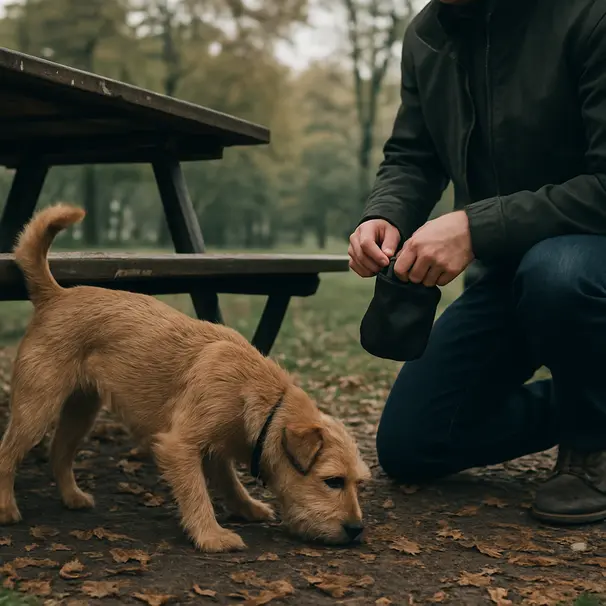
- Nose work: Hide treats in grass or under cones. Scent work is tiring in a good way and works well when space is limited.
- Longline recall: Train reliable recall in a safe field with a 10–15 metre longline. Let the dog practice coming back from different angles.
- Group walks: Good for sociable dogs that enjoy other dogs, but keep groups small and predictable.
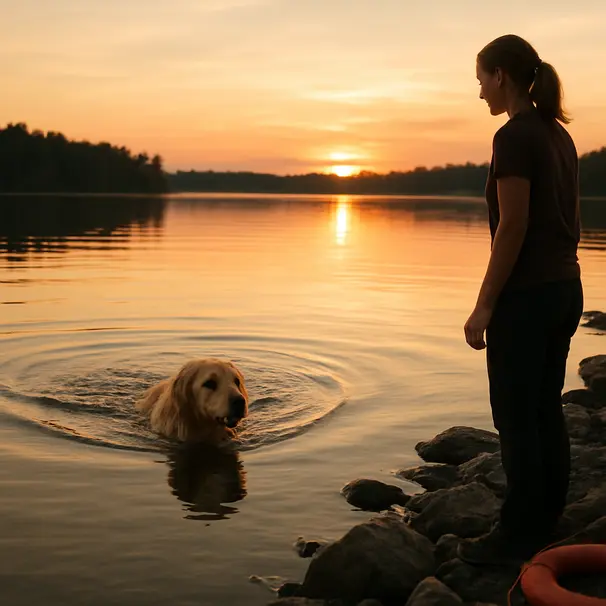
Adapt activities for size and health. Low-impact options like swimming can help dogs with stiff joints and may be worth considering under vet guidance.
Safety in busy places
Busy parks and city streets need extra attention. Keep dogs close and use predictable routes. Watch body language of other dogs and people, and step aside if an encounter looks tense.
If dogs are nervous around others, avoid peak times. For dogs that get excited by other dogs, work on calm greetings: have both dogs sit, approach slowly, and allow a sniff for a few seconds.
Carry treats for quick redirection. A small, high-value treat can turn a frightening moment into a learning opportunity.
Weather and seasonal considerations
- Hot weather: Walk early or late when temperatures are cooler. Bring water and avoid asphalt. Dogs with thick coats or flat faces can be especially prone to overheating.
- Cold weather: Keep sessions shorter in freezing conditions. Watch for ice-burned paws and consider protective booties.
- Rainy days: Use waterproof gear and focus on mental games that can be done under awnings or in sheltered spots.
Always consider a dog’s breed and coat. Short-coated dogs can lose heat quickly; long-coated dogs may overheat faster in warm climates.
Working with reactive or fearful dogs
Calm, consistent carers can make a big difference for nervous dogs. Keep distance from triggers and reward the dog for looking to you for guidance.
Techniques to consider:
- Counter-conditioning: Pair a trigger with something the dog loves, like treats, to slowly change the dog’s response.
- Distance management: Increase space from the trigger and gradually decrease it as the dog becomes more comfortable.
- Predictability: Keep cues and routines consistent so the dog builds trust.
If a dog has severe reactivity or anxiety, encourage owners to consult a qualified trainer or behaviourist and consider a vet check for underlying medical causes.
Enrichment on the go
Look beyond walking. Portable enrichment can make short outings feel rich and satisfying.
- Scent trails: Drag a treat along the ground to create a short trail for the dog to follow.
- Shell game: Hide a treat under one of three cups and let the dog find it.
- Short training stations: Use benches or tree trunks for a few minutes of focused work.
These quick activities can help dogs feel fulfilled even when time or space is limited.
Communicating with owners and building trust
If you’re a pet carer, clear communication with the owner is essential. Share what went well, what concerns you noticed, and any changes to behaviour. Brief notes help owners maintain consistency between carers and themselves.
Good details to pass on:
- Walk route, duration, and energy level.
- Any encounters with other dogs or people and how the dog reacted.
- Treats and games used, and whether new stimuli (bikes, scooters, wildlife) caused stress.
- Appetite, drinking, and any signs of soreness.
A short photo or a cheery sentence about a highlight can build trust with the owner and reassure them their dog is in good hands.
Troubleshooting common problems
- Pulling: Teach loose-leash walking in short, frequent sessions. Reward the dog for checking in and for walking without tension.
- Overexcitement: Work on impulse-control games at home and reward calm behaviour outdoors.
- Boredom: Vary routes, add scent work, and rotate toys to keep outings interesting.
Patience and small, consistent changes often produce the best results.
Final checklist for a great outdoor session
- Check the dog’s ID and medical notes.
- Bring water, treats, waste bags, and first aid basics.
- Choose a route suited to the dog’s needs.
- Start slow, mix physical and mental work, and finish calmly.
- Communicate clearly with owners about the session.
A well-planned outing leaves both dog and carer smiling. Outdoor exercise is a chance to build skills, burn off energy, and enjoy time together.
Closing thoughts
Dogs thrive on variety, attention, and gentle guidance. For owners and carers alike, the best sessions are those that suit the individual dog, keep safety front of mind, and find small moments of joy. Take time to learn each dog’s preferences, and you’ll both look forward to the next walk.
If a dog has ongoing health or behavioural issues, consider consulting a veterinarian or qualified behaviour professional for personalised advice.
Happy walking from everyone at Floofy — may your outings be full of sniffing, smiles, and safe adventures!