

Overcoming pet allergies after adoption
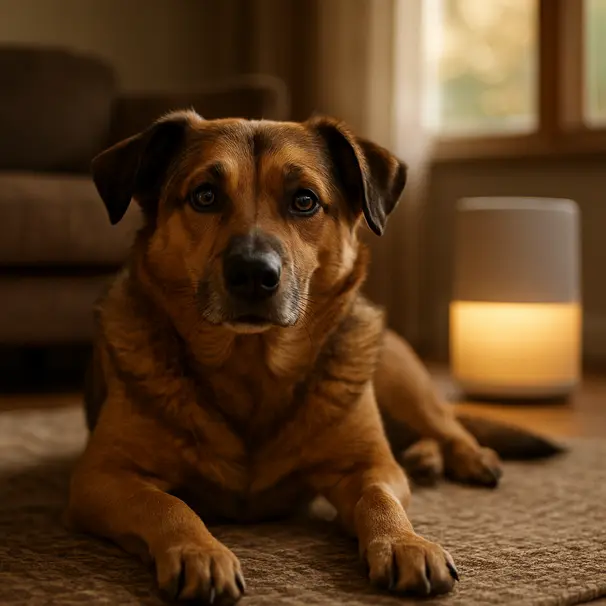
Adopting a dog is a big-hearted decision. You walk in with hope, new toys, and a tiny mountain of expectations. Then, a week or two later, sneezing starts, eyes water, or a persistent rash appears. It’s a confusing moment—there’s relief that you found a companion, and a pang of worry that your body isn’t agreeing.
Take a breath. Allergies after adoption are surprisingly common and there are lots of practical, loving ways to handle them. This article is a gentle, step-by-step guide for pet owners and carers who want to reduce symptoms, improve home comfort, and keep the pup in the family where possible.
Quick reassurance before we start
Allergy symptoms can range from mild to severe. Some people manage well with changes to the home and routine, while others may need medical support. Consider this a toolbox: you’ll get strategies for cleaning, grooming, vet conversations, and emotional decisions. Always consult a healthcare professional or vet if symptoms are serious.
First steps after you notice symptoms
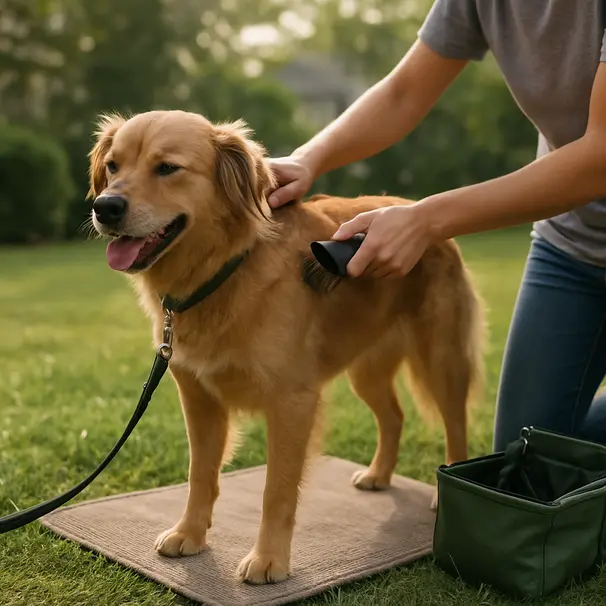
The first 48 to 72 hours matter more emotionally than medically. Here’s a calm checklist to follow right away.
- Note symptoms and timing. Track when sneezing, itchy eyes, or skin irritation happen and whether they spike after playtime, brushing, or bedtime.
- Keep the dog out of your bedroom for a few nights as a test. If symptoms ease, it’s an early clue that dander exposure is the main problem.
- Contact your GP or an allergist to discuss testing and temporary relief. Over-the-counter antihistamines may help, but consider medical advice, especially for children or people with other health conditions.
- Book a vet visit for your dog if you suspect the dog also has allergies or skin issues. Skin scratching can make dander worse and complicate the situation.
These small actions give you information and breathing room so you can make thoughtful decisions.
Understanding what’s causing the reaction
Pet allergies are usually caused by proteins in dander, saliva, or urine. It’s not about fur type alone. Some dogs shed more, some produce more dander, and environmental factors like pollen can make symptoms worse.
If you’re curious and can be patient, an allergist can offer testing to identify specific triggers. Knowing whether your immune system reacts to dander, pollen clinging to fur, or dust mites can change the plan you choose.
Practical home changes that really help
You don’t have to overhaul your life overnight. Small, consistent changes go a long way.
- Create pet-free zones. Designate at least one room, ideally your bedroom, where the dog isn’t allowed. Use a washable door draft stopper to limit dander spread.
- Upgrade your vacuum. A HEPA-filter vacuum cleaner can remove much more dander than a basic model. Vacuum carpets, rugs, and upholstery at least twice a week when symptoms are high.
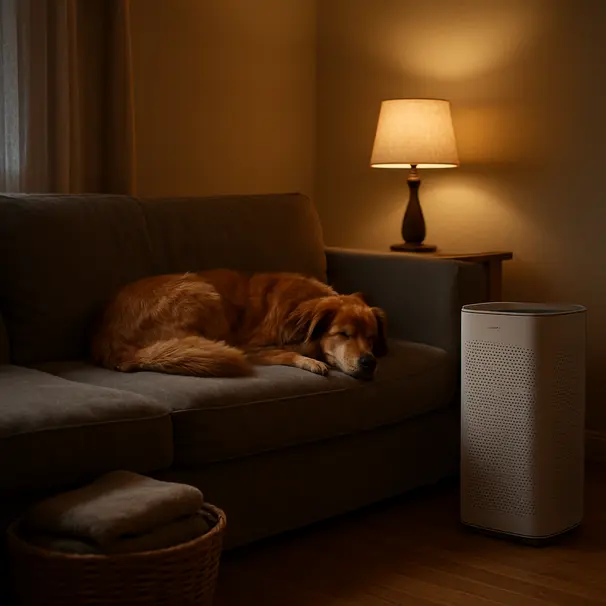
- Use a HEPA air purifier. Placing one in your bedroom and living area can lower airborne allergens. Consider units sized for the room and run them continuously during flare-ups.
- Swap soft furnishings for washable covers. Use removable, machine-washable slipcovers on sofas and beds. Wash bedding weekly in hot water if you can.
- Reduce clutter and textiles. Blankets, plush toys, and long curtains can trap dander. Keep surfaces easy-to-clean.
- Grooming station. Set up a regular brushing and wipe-down routine outside or in a garage to limit indoor dander.
These changes are practical, affordable in stages, and kind to both you and your dog.
Grooming and hygiene tips that cut dander exposure
Grooming is a shared activity that helps your bond and keeps allergens down. Here are calm, dog-friendly steps.
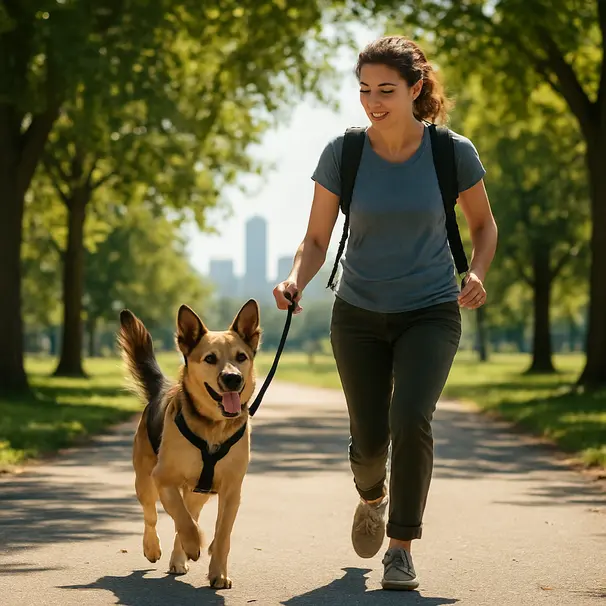
- Regular brushing. Brushing removes loose hair before it becomes household dust. Use a brush suited to your dog’s coat, and do it outside or over a washable mat.
- Baths can help. Giving your dog a bath every 2–4 weeks may reduce dander temporarily. Use a gentle, vet-recommended shampoo and towel-dry thoroughly. Ask your vet for a bathing schedule that suits your dog’s skin.
- Wipes for quick cleanups. Pet wipes designed to remove dander are handy after walks or indoor play. Keep them near the door.
- Professional grooming. Consider a trusted groomer for periodic deep-cleaning, especially for breeds that shed or have thicker undercoats. Floofy carers often offer grooming help if you need support.
- Hand and face habits. Wash hands after petting, and avoid touching your face immediately afterward. A quick change of clothes after playtime can reduce exposure to allergens.
Remember: grooming is not about making a dog sterile. It’s about reducing the airborne particles that bother sensitive people.
Medical options to consider with your doctor
There’s a range of medical paths that may ease symptoms, but they need a clinician’s input.
- Antihistamines and nasal sprays may provide relief for mild-to-moderate symptoms.
- Allergy shots, or immunotherapy, are a longer-term approach that some people find helpful. These require consultations and time to see results.
- For pets with skin allergies, talk to your vet about medicated shampoo, dietary trials, or topical treatments.
Use words like consider and may when discussing treatment plans. Talk with your GP or an allergist about risks, timing, and realistic expectations.
When rehoming becomes the last, loving option
This is a difficult topic, but it’s part of honest pet care. If allergies are severe, or if a household member has asthma or breathing difficulties, rehoming might be the safest choice.
If you reach that point, try these compassionate steps:
- Talk it through with family and carers. Reach a decision together.
- Explore temporary solutions, like boarding with trusted carers or foster families who don’t have allergies. Floofy’s network can help find short-term support.
- If rehoming is necessary, prioritize finding a loving, allergy-free home. Share the dog’s routine, vet history, and personality to increase the chances of a great match.
Rehoming isn’t failure. It’s a responsible, loving choice when health or safety is at stake.
Tips for pet carers supporting allergy-affected households
Pet carers play a huge role in easing this transition. Here are practical ways carers can help:
- Offer outdoor brushing and bathing services to keep dander out of the house.
- Follow strict hygiene when entering the home: remove shoes, use sanitising wipes, and avoid sitting on soft furniture if asked.
- Communicate schedule changes to minimize peak exposure times, like keeping visits shorter during pollen season.
- Share helpful supplies: bring a sealed bag for used grooming tools and offer to launder dog bedding between visits.
Carers who are proactive become part of the solution and help families stay together with their dogs.
A sample 30-day plan to try before making big decisions
If you want a structured trial, here’s a gentle month-long plan that mixes environmental changes, grooming, and medical follow-up.
Week 1: Observation and small changes
- Start a symptom diary. Note time, activity, and severity.
- Keep the dog out of the bedroom.
- Run a HEPA air purifier in the bedroom.
Week 2: Increase grooming and cleaning
- Begin twice-weekly brushing outside.
- Wash bedding and sofa covers.
- Try pet wipes after walks.
Week 3: Vet and medical check-ins
- Visit the GP or allergist to discuss testing and short-term relief.
- Take the dog to the vet for a skin check.
Week 4: Evaluate and adjust
- Review your symptom diary. Have flare-ups decreased?
- Consider additional measures: professional grooming, changing furniture covers, or starting immunotherapy talks with an allergist.
This plan gives you data and calm steps before making larger changes.
Emotional care for you and your dog
Allergies bring more than sniffles. You may feel guilty, anxious, or angry. Your dog may pick up on your stress. Remember to care for emotions along with symptoms.
- Keep routines that reassure your dog: regular walks, playtime, and cuddles in the rooms where you’re comfortable.
- Ask for support. Trusted friends, family, or Floofy carers can help with walks, short stays, or cleaning tasks.
- Be kind to yourself. If rehoming becomes necessary, choosing a safe life for both of you is a brave, compassionate act.
Final thoughts
Adopting a dog should be joyful. Allergies can complicate that joy, but many families find manageable solutions that keep pets at home. With clear steps, honest conversations with healthcare professionals, and a bit of trial and error, you can create a comfortable life that suits both humans and dogs.
If you need help with grooming, temporary care, or finding a new match for your dog, Floofy connects pet owners with caring, experienced people. You don’t have to handle this alone.
Take small, steady steps. Your new friend deserves a calm, loving home, and so do you.