

Pet care tips for enrichment every pet carer should know
Enrichment is the secret ingredient that turns basic care into a joyful, meaningful life for a pet. It helps pets stay curious, reduces boredom-related behaviours, and makes time with a carer more rewarding. This post gathers gentle, realistic tips you can use right away, whether you’re a regular sitter, a new carer, or an owner swapping notes with a trusted pet pro.
What is enrichment and why it matters
Enrichment means giving a pet opportunities to use their body and brain. It’s not a luxury, it’s part of good welfare. For most animals, a comfy bed and full bowl are a start, but mental stimulation, variety, and chances to practise natural behaviours are just as important.
Think of enrichment as giving pets interesting choices across the day. That might be sniffing during a walk, solving a kibble puzzle, stalking a toy mouse, or chewing safe branches. These moments help pets feel fulfilled, reduce stress, and can build trust between a carer and an animal.
Core enrichment principles every carer should follow
- Keep it safe: Always check toys, treats, and equipment for wear, choking hazards, or toxic materials.
- Start small: Introduce new activities gently and at the animal’s pace.
- Rotate and vary: Pets get bored of the same thing. Rotate toys and change routines.
- Make it rewarding: Use positive reinforcement. A calm tone and a small treat can work wonders.
- Observe and adapt: Watch body language. If a pet seems stressed or overwhelmed, pause and try something different.
Enrichment for dogs
Dogs are social, curious, and movement-loving. Enrichment can be physical, mental, or sensory.
Food-based enrichment
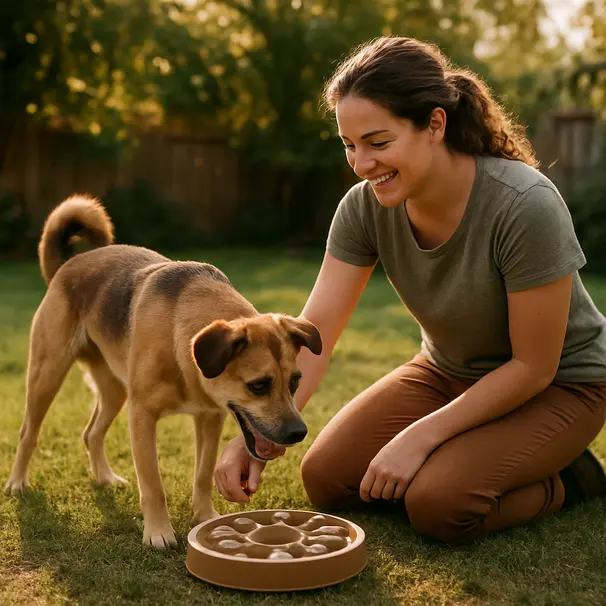
- Puzzle feeders and slow feeders can stretch mealtimes and encourage foraging instincts. Stuff Kongs with wet food or use treat-dispensing balls for supervised play.
- Scatter feeding is simple: sprinkle kibble across a lawn or training mat so the dog has to sniff and search.
- Try simple scent trails in a safe yard using tiny treats or a favourite toy as a reward at the end.
Play and toys
- Rotate toys weekly to keep them novel. Include tug toys, squeaky toys, chew toys, and soft plush items for comfort.
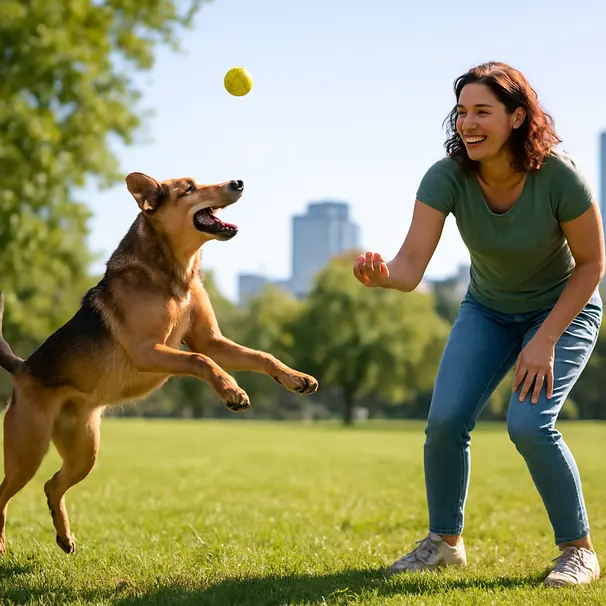
- Teach short games with a clear start and stop, like a two-minute fetch session followed by calm downtime.
Training as enrichment
Training provides mental challenge and deepens your bond. Short, frequent sessions teaching cues or tricks help dogs think and focus. Use clicker training or a clear marker word, and keep sessions positive and upbeat.
Sensory walks
- Slow the pace and let the dog sniff. Sniffing engages a huge part of a dog’s brain and can be just as tiring as a run.
- Vary routes and surfaces, and consider quiet green spaces as well as urban walks for different smells and sights.
Safety tips for dog carers
- Avoid leaving dogs unsupervised with food puzzles that could break into choking pieces.
- For group walks, introduce dogs gradually and watch body language closely.
- Bring fresh water, especially for longer outings, and breaks for older or heat-sensitive dogs.
Enrichment for cats
Cats are little detectives. They love control, high vantage points, and activities that mimic hunting.
Hunting-style play
- Use wand toys to replicate prey movement. Give the cat short chase-and-catch games, ending with a “catch” so play feels satisfying.
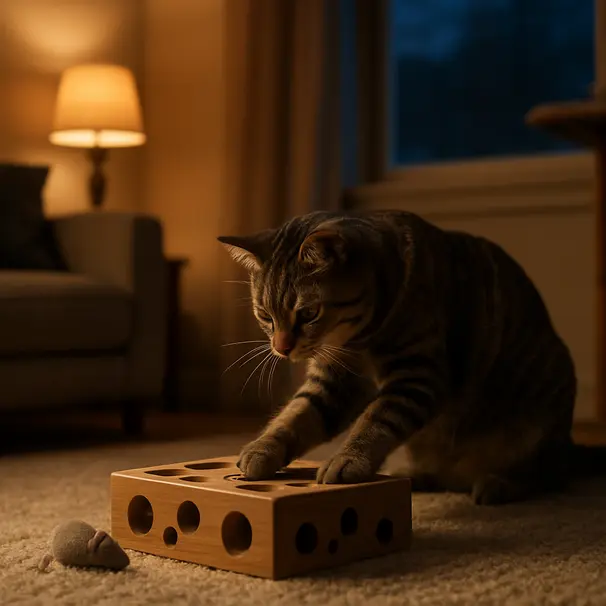
- Try food puzzles that make the cat work for kibble, especially for indoor cats.
Vertical space and hiding
- Provide shelves, window perches, and hide boxes. Cats like to observe from above and sneak from a covered spot.
- Create a few cozy hideaways with blankets and small spaces where a cat can retreat.
Environmental enrichment
- Offer different textures and surfaces: a cardboard scratcher, a sisal post, soft beds, and cool tiles.
- Rotate toys and introduce new scents by bringing a bagged herb like catnip for supervised sniffing.
Social enrichment
- Let cats choose how much interaction they want. Some love long strokes, others prefer short play sessions.
- For multi-cat homes, offer multiple resources so each animal can avoid competition.
Small pets and other species: rabbits, guinea pigs, birds, and more
Small mammals and birds have unique enrichment needs, often focused on chewing, hiding, and foraging.
Rabbits and guinea pigs
- Hide boxes, tunnels, and hay-stuffed toys support foraging and burrowing instincts.
- Safe chew items like untreated wood help dental health and prevent boredom.
- Rotate layout of their enclosure and add novel objects to explore.
Birds
- Provide foraging toys, swings, and perches of varying diameters. Change toys frequently to prevent feather-picking.
- Offer supervised out-of-cage time in a safe room for exploration and flight practice.
Reptiles and exotic pets
- Enrichment often means environmental complexity: varied substrates, hiding spots, branches, and basking areas.
- Consult species-specific guides. Some reptiles appreciate gentle feeding puzzles or live-scent trail enrichment.
Practical tips for pet carers: routines, records, and safety checks
Build a simple enrichment plan
- Create a daily mix: one food-enrichment, one play or training session, and one calm or sensory activity.
- Keep sessions short and consistent. A tired pet is a happy pet, but short bursts of stimulation usually work best.
Safety checklist
- Inspect toys before and after use and discard damaged items.
- Check treat ingredients for allergies or unsafe foods. Never give dogs chocolate, onions, grapes, or raisins.
- For group settings, ensure vaccination and health checks are current.
Communication with owners
- Leave a short enrichment log: what you tried, the pet’s response, what the owner might repeat.
- Ask about the pet’s favorite activities and any past sensitivities or dislikes.
Low-cost and DIY ideas
- Homemade puzzle boxes using cardboard and cups can hide kibble or treats.
- Use muffin tins with tennis balls covering treats for an easy, adjustable puzzle.
- Rotate household items like paper bags, cardboard tubes, and wrapped boxes for novel textures.
Enrichment on walks and outdoor adventures
Outdoor time is prime enrichment, and carers can make walks richer without extra gear.
Slow, scent-rich walks
- Let pets spend more time sniffing around trial areas, fence lines, and tree bases.
- Pause frequently and allow pets to choose the direction for short stretches.
Meet-and-greet etiquette
- Allow calm introductions. Keep dogs on loose leads and let them approach at their own pace.
- For cats with outdoor harnesses, let them explore close to the ground and avoid crowded spaces.
Weather-aware choices
- On warm days, plan shaded routes and keep trips short. Offer water breaks and towel-drying if needed.
- In colder weather, provide a warm resting spot on return and dry wet fur quickly to avoid chill.

Troubleshooting: when enrichment isn’t working
If a pet seems uninterested or stressed, try these steps.
- Change the challenge level: the activity may be too easy or too hard.
- Shorten sessions: shorter, more frequent activities can be more engaging.
- Swap the reward: not all treats or toys motivate every pet. Try a different high-value item.
- Watch body signals: yawning, lip licking, freezing, or hiding can mean discomfort.
If worrying behaviours persist, consider suggesting a vet or behaviourist consult. Enrichment helps a lot, but professional advice may be needed for anxiety or health-related issues.
Record keeping and handover notes for owners
Good carers leave clear notes. A short enrichment summary helps owners keep the momentum going.
Include:
- What activities were offered and how the pet responded.
- Any new preferences or dislikes discovered.
- Safety or health observations, like changes in appetite, mobility, or stool.
- Practical suggestions for owners to continue enrichment between sits.
A quick enrichment checklist for carers
- Rotate two toys each day and inspect them afterward.
- Offer a 5 to 15-minute training or play session in the morning and evening.
- Add one food puzzle or foraging moment during meal times.
- Provide at least one quiet space for rest, and one active opportunity for exploration.
- Record responses and update the owner with a friendly note.
Final thoughts
Enrichment is one of the most rewarding parts of pet care. It teaches carers to slow down, notice small joys, and tailor activities to each animal’s personality. Little changes add up: a new scent on a walk, a short game that ends in a treat, or a cozy hidebox can make a huge difference.
If you’re a pet carer, try one new idea this week and watch the response. Share your wins with owners, and keep building a library of go-to activities. Pets respond to care that respects their instincts, offers variety, and keeps life interesting. That’s the heart of enrichment, and it’s something every carer can give.
Happy caring, and may your days be full of curious noses, contented purrs, and waggy tails.