

Pet care tips: practical enrichment activities for pet carers
Enrichment is the secret sauce that turns basic care into great care. For trusted pet carers, a few thoughtful activities each day can reduce boredom, build confidence, and make stays away from home feel friendlier. This post collects practical, low-cost enrichment ideas you can use on walks, during house sits, or while pets spend time with you.
Why enrichment matters for pets
Enrichment helps animals use their brains and bodies in ways that match natural instincts. A mentally tired dog is often calmer at night. A curious cat with things to investigate is less likely to shred curtains. Small mammals and birds that explore and forage can show fewer repetitive behaviors.
Enrichment can:
- Provide variety in a pet’s day
- Encourage natural behaviors like sniffing, hunting, and foraging
- Reduce stress and separation anxiety
- Strengthen the bond between carer and pet
Keep in mind that enrichment is flexible. A twenty-minute focused session can be more valuable than an hour of scattered attention. And always consider each pet’s personality, age, and any vet guidance. For medical or behavioral concerns, consider consulting a vet or a qualified behaviorist.
Planning successful enrichment sessions
Before you start, take a few minutes to plan. Think about the pet’s energy level, any allergies or diet restrictions, and the environment you’ll be using. A quick checklist helps:
- Identify safe spaces to play and explore
- Put away small objects or hazards
- Choose appropriate toys and treats
- Set a timer to keep sessions consistent
Rotate activities across the week. Repetition is comforting, but variety keeps brains engaged. You can log what worked and what didn’t in a short notebook or an app. That makes future visits easier and helps build trust with both owner and pet.
Easy enrichment ideas for dogs
Dogs are brilliantly scent-driven, social, and playful. Here are tried-and-true activities that work for most dogs and many different breeds.
Scent games and nose work
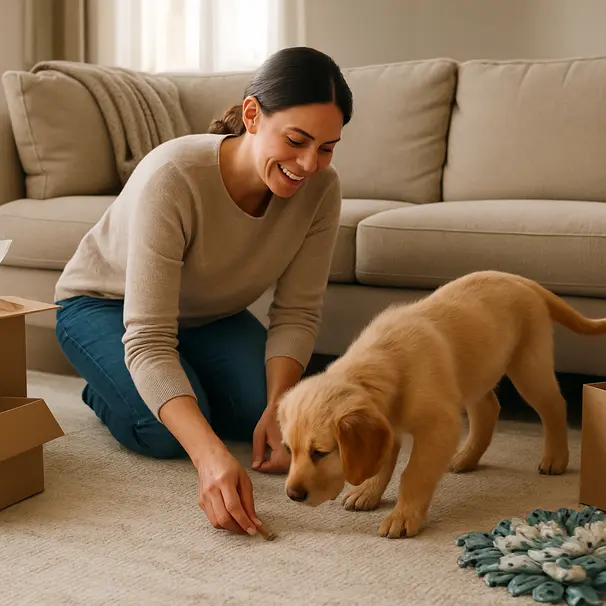
Hide treats in boxes, under blankets, or around a room for a scent scavenger hunt. Start easy, then increase difficulty by using scent cones, wrapped towels, or puzzle feeders. Nose work tires dogs out mentally and can help nervous dogs feel purposeful.
- Use high-value treats, cut into small pieces
- Start visibly, then make the hide more challenging
- Move hides to different rooms over time
Food puzzles and slow feeders
Replace a mealtime bowl with a puzzle feeder or scatter kibble over a snuffle mat. This slows eating and encourages natural foraging. For dogs prone to gulping, slow feeders can help digestion and reduce bloat risk. Consider consult vet for dogs with health issues.
Short training bursts
Five-minute training sessions sprinkled throughout the day can reinforce manners and offer mental stimulation. Try targeting, stationary sits, or new tricks like “spin” or “paw.” Keep sessions upbeat and reward with praise and small treats.
Active games with an indoor twist
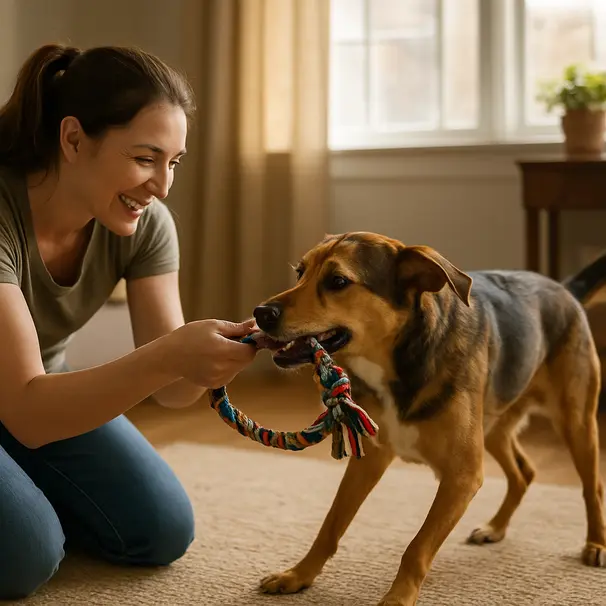
If outdoor time is limited, use hallway fetch with soft toys or gentle tug sessions that encourage impulse control. Play-based obedience games, where the dog must alternate between play and calm cues, can be particularly enriching.
Cat enrichment that lands well
Cats have a different rhythm. They love short, intense play and safe places to perch. Enrichment for cats should mimic stalking, pouncing, and climbing.
Interactive play sessions
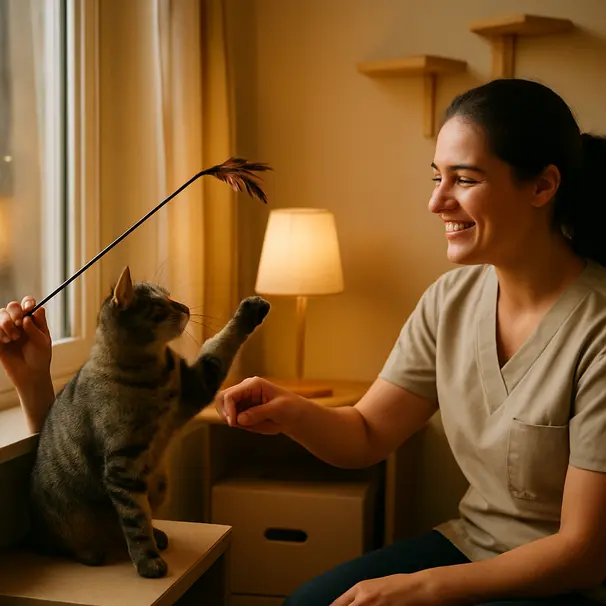
Wand toys and laser pointers used responsibly can trigger the hunt sequence. Always finish laser play with a tangible toy or treat so your cat gets a reward. Short sessions of 3–7 minutes several times a day usually hit the sweet spot.
Vertical spaces and hiding spots
Boxes, shelving, and window perches give cats choice and control over their environment. A few simple additions can offer hours of exploration. Rotate box locations or add new fabrics to keep things novel.
Puzzle feeders for kibble
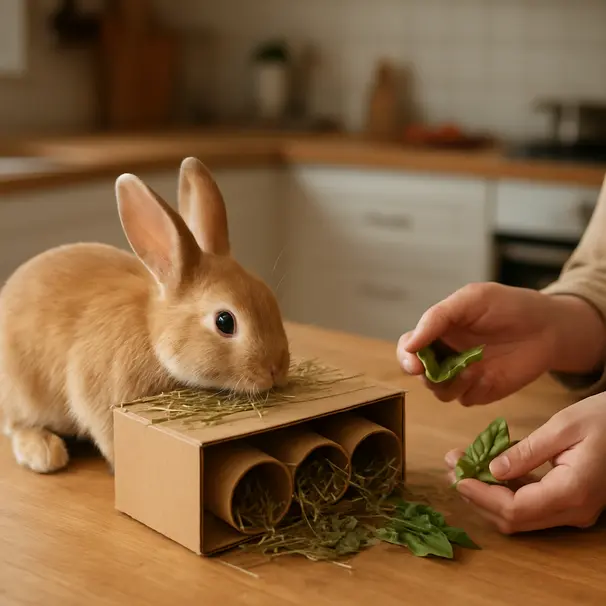
Use treat balls or homemade puzzles—like a cardboard box with paper towel tubes and kibble tucked inside—to encourage foraging. Puzzle feeders can help indoor cats stay active and curious.
Scent enrichment for cats
Catnip or silvervine toys work for many cats, and small amounts of safe herbs near bedding can be comforting. Introduce scents briefly and watch for overstimulation.
Small mammals and birds: foraging and habitat enrichment
Rabbits, guinea pigs, hamsters, and birds each have unique needs. Enrichment should encourage natural feeding behavior, exercise, and safe chewing.
Foraging opportunities
Scatter feeds, hide small amounts in paper tubes, or tuck greens into hay piles. For birds, place tidbits inside foraging toys or woven containers. Foraging slows eating and keeps animals mentally engaged.
Safe chew and nesting materials
Offer untreated wood blocks, cardboard, or bird-safe branches. For nesting animals, rotate materials like shredded paper, hay, or fabric strips. Avoid anything with dyes, inks, or small choking hazards.
Environmental complexity
Create tunnels, platforms, and multiple levels for rabbits or guinea pigs. For birds, provide perches of varying diameters and rotate toys regularly. Change the layout occasionally so pets notice and explore new configurations.
Enrichment for senior pets and those with limited mobility
Older animals or pets with mobility issues still benefit from enrichment, though sessions might need adaptation.
Low-impact scent and food games
Scent games that don’t require much movement are perfect. Hide treats under a towel on the floor rather than around the house. Use food puzzles that sit at ground level.
Gentle mental challenges
Short training sessions focused on cognitive tasks, like distinguishing objects or following gentle hand-targeting, can keep minds sharp. Keep praise and touch calm and reassuring.
Comfortable, accessible spaces
Make sure perches, beds, and feeding areas are easy to reach. Elevate bowls slightly if bending is painful. Small environmental changes can help a senior pet feel more independent.
Multi-pet households: managing enrichment for groups
When you’re caring for multiple animals, enrichment should respect each pet’s personality and boundaries.
- Offer individual sessions and group play, if pets get along
- Create escape routes and quiet areas for shy animals
- Use separate feeding puzzles to prevent resource guarding
Watching body language is key. If one pet seems stressed, pause the activity and let them decompress. Over time, many pets learn to enjoy shared activities, but each needs choice and control.
Safety and hygiene: quick reminders for carers
Safety is the foundation of any good enrichment plan. Simple precautions protect pets and carers.
- Check toys and materials regularly for wear and small parts
- Use vet-approved treats and avoid toxic foods
- Keep enrichment areas clean and dry
- Supervise new activities until you’re confident they’re safe
If a pet has medical issues or a unique dietary restriction, consult the owner and consider checking with a vet before introducing new treats or puzzles.
Packing a portable enrichment kit for carers
A small bag can make your visits richer without adding a lot of weight. Pack items that suit the pets you care for:
- Foldable snuffle mat or small puzzle feeder
- A couple of wand toys and a soft ball
- High-value, bite-sized treats in a sealable container
- Lightweight blanket or towel for scent comfort
- Small notebook to record progress and preferences
A portable kit also helps with consistency. Bring the same items to builds trust, and swap a toy or two to keep things fresh.
Quick enrichment session templates
Use these short plans when time is tight. Each one is designed for a 10 to 20-minute window.
- Calm start: 5 minutes of gentle petting, 10 minutes of scent foraging, finish with a comfy rest spot
- Active burst: 3 minutes of wand play, 7 minutes of short training, 5 minutes of puzzle feeder
- Quiet stimulation: 10 minutes of sniffing games, 5 minutes rearranging hiding spots to encourage exploration
These templates are easy to adapt on the spot. If a pet is tired, shorten the active parts and extend the calm moments.
Notes for communicating with owners
Good carers keep owners informed. Share short notes about what the pet enjoyed, what didn’t go well, and any small concerns. Photos and short videos are often appreciated. A simple daily log builds confidence and helps owners make informed choices about long-term enrichment.
Final thoughts and a short checklist
Enrichment doesn’t have to be complicated or expensive. Thoughtful, consistent activities create happier, more secure pets. Keep sessions short, varied, and safe. Pay attention to each pet’s reactions and adjust accordingly.
Quick checklist for pet carers:
- Did the pet have safe places to explore?
- Were activities matched to the pet’s age and energy?
- Was supervision appropriate for new toys and games?
- Did you leave a note for the owner about wins or concerns?
With a little planning and a lot of heart, carers can make every visit meaningful. These moments add up into calmer pets, stronger bonds, and happier owners.
Thank you for caring so well. Your thoughtfulness makes a real difference.