

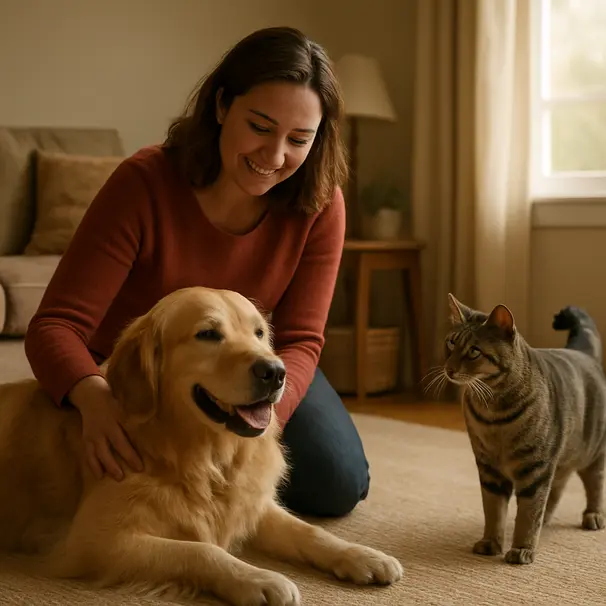
Pet carer health guide: gentle, practical care for dogs and cats
Being a pet carer or pet owner means wearing a lot of little hats: nurse, chef, trainer, playmate and comforter. This guide collects friendly, useful tips to help you spot early signs of trouble, keep routines running smoothly, and support the wellbeing of both dogs and cats. Think of it as a warm checklist you can use before, during, and after a care shift.
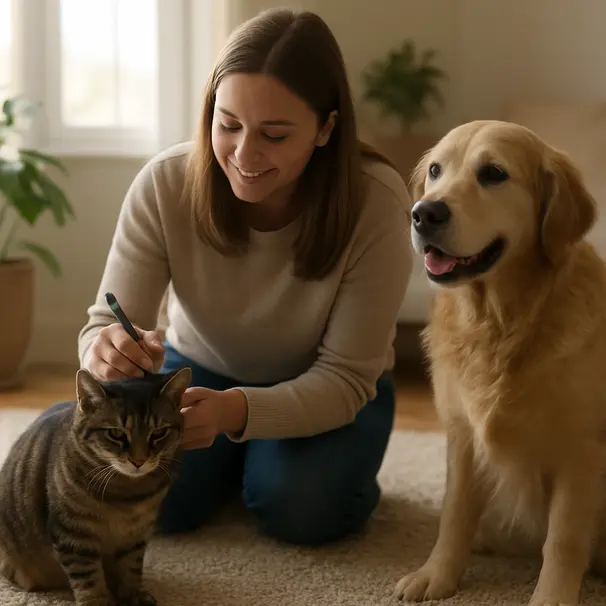
Daily health checklist: quick habits that matter
A short daily routine can catch problems early and keep pets comfortable. Aim to perform this checklist at the start or end of each care session.
- Look and listen: Watch for limping, odd breathing, coughing, wheezing, sneezing, or sudden lethargy.
- Check the basics: Eyes clear, nose moist for dogs, ears free of redness or strong odor, mouth and gums pinkish and moist.
- Appetite and drinking: Note whether they eat and drink normally. A mild change may be normal, but big shifts can signal a concern.
- Bathroom habits: For dogs, watch for diarrhea, constipation, straining, or changes in urine. For cats, note litter box use and any changes in urine color or consistency.
- Coat and skin: Look for excessive scratching, patches of hair loss, flakes, bumps, or unusual odors.
- Behavior and mood: Changes in interaction, hiding, increased clinginess, or sudden aggression are worth noting.
Keep a short log. Even a few lines about appetite, elimination, and unusual behavior can be incredibly helpful for pet owners and veterinarians.
Nutrition and weight management: practical food tips
Nutrition is one of the easiest ways to support long-term health. Small changes can make a big difference.
Understand the basics
Different life stages and health conditions need different diets. Puppies and kittens can have higher energy and nutrient needs. Senior pets may need lower-calorie or joint-support formulas. Ask the owner about any prescribed diets and follow them closely.
Portion and schedule
Use measuring cups or a digital scale for consistency. Stick to the feeding schedule the owner provides. Free-feeding can work for some cats, but many pets do better with set meal times.
Treats and extras
Treats should make up no more than 10 percent of daily calories. Avoid giving human foods that may be toxic, like onions, garlic, grapes, raisins, chocolate, xylitol, and certain artificial sweeteners. If you do give a small table treat, mention it in the log.
Watch the weight
A steady upward or downward trend can indicate a problem. A healthy body condition score is a better guide than the scale alone. For dogs, you should usually be able to feel the ribs without seeing them prominently. For cats, look for a slight waist behind the ribs. If you notice weight changes, suggest the owner consult their vet.

Grooming and skin care: easy daily and weekly routines
Grooming helps look after skin, fur, nails and overall comfort. It’s also a simple way to bond with pets.
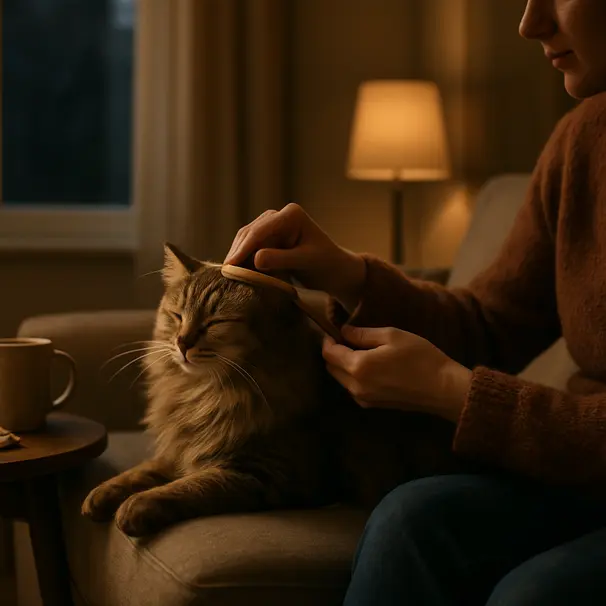
- Brushing: Short-haired pets may need a weekly brush, whereas long-haired dogs and cats usually require more frequent attention. Brushing removes loose hair, reduces mats and spreads natural oils.
- Bathing: Most pets don’t need frequent baths. Use owner-approved shampoos and avoid over-bathing, which can dry the skin. If the pet has a skin condition, follow veterinary instructions.
- Nail trimming: Keep nails short enough to avoid cracking or discomfort. Some pets tolerate trimming well, others need a calm introduction. If you’re unsure, ask the owner or a professional groomer for guidance.
- Ear and dental care: Wipe ears with a vet-recommended solution if the owner asks. Encourage at-home dental routines like tooth brushing or dental chews if the pet tolerates them.
If you find skin sores, severe matting, persistent scratching, or nasty odors, note them and advise the owner to check with their vet. These signs may indicate allergies, infections, or parasites.
Exercise and joint health: safe activity for all ages
Exercise supports joints, digestion, and mental health. Tailor activity to the pet’s age, breed and health status.
- Puppies and kittens: Short, gentle play sessions several times a day. Avoid overly strenuous activity that strains growing joints.
- Adult pets: Aim for regular walks, playtime, or interactive games. For cats, short bursts of play with wand toys mimic hunting and burn energy.
- Senior pets: Focus on low-impact activities like gentle walks, slow-paced fetch, and physical therapy exercises if recommended by a vet.
Joint supplements or specific diets may help some pets. Use language like “may help” and recommend the owner speak with their veterinarian before starting new supplements.
Preventive care and common hazards: keep them safe
A little prevention goes a long way.
- Parasite prevention: Flea and tick prevention, heartworm prevention and regular deworming can help keep pets comfortable. Confirm the owner’s current protocol and follow it.
- Vaccine updates: Know whether the pet is up to date on vaccines and record any concerns. Don’t attempt to vaccinate; leave that to licensed professionals.
- Household hazards: Keep chemicals, small objects, string, certain plants, and typical human foods out of reach. For outdoor walks, watch for toxic vegetation and standing water that can carry parasites.
- Weather safety: On hot days, limit midday walks. Offer shade and water. In cold or icy weather, watch paw pads and consider protective booties or shorter walks.
If you suspect poisoning or a dangerous exposure, contact the owner and encourage immediate veterinary advice. For acute emergencies, suggest contacting an emergency clinic.

Mental health and enrichment: happier pets are healthier pets
Health isn’t only physical. A bored or anxious pet may develop behavior problems that reduce quality of life.
- Rotation of toys: Keep a small rotation of toys to preserve novelty. Puzzle feeders can slow fast eaters and add mental stimulation.
- Training sessions: Short, positive reward-based training sessions help reinforce good behavior and strengthen bonds.
- Safe spaces: Cats often appreciate vertical space and hiding spots. Dogs benefit from a quiet corner or crate if they see it as a den.
- Predictable routines: Pets thrive on routine. Try to keep feeding times and walks consistent and let the pet settle into a calm routine.
If a pet shows signs of severe anxiety, destructive behavior, or sudden changes in social interaction, note specifics and encourage the owner to consult a behaviorist or veterinarian.
Working with pet owners and pet carers: communication is everything
Good communication keeps pets safe and reduces stress for everyone.
- Get written instructions: Always ask for written feeding, medication, and emergency contact details. Written notes reduce guesswork.
- Ask about routines and preferences: Some pets are picky about collars, harnesses, treats or how they like to be handled.
- Share observations: A short message after each visit with highlights—appetite, elimination, mood—helps owners feel confident and helps track trends.
- Respect boundaries: If a pet shows signs of fear or aggression, ask for handling tips and never force interaction.
Create a template message you can send to owners: brief, kind, and focused on the essentials. For example: “Hi! Sam ate both meals, walked for 20 minutes, used the litter box, and enjoyed a short cuddle. No concerns today.” That clarity builds trust.
Emergency basics and a simple first aid kit
You aren’t expected to be a vet, but being prepared can make a crucial difference.
- Know the nearest emergency clinic and poison hotlines. Save numbers in your phone.
- Basic kit items: Gauze, adhesive tape, small scissors, saline solution, styptic powder for nail clips, a digital thermometer (rectal for dogs and cats), and the owner’s approved medications.
- Wounds and bleeding: Apply gentle pressure with clean gauze. If bleeding doesn’t slow, call the owner and seek urgent care.
- Heatstroke and hypothermia signs: Heavy panting, drooling, wobbliness, or collapse in hot weather; shivering, slow movement, or cold extremities in cold weather. Move the pet to a comfortable environment and contact the owner and a veterinarian.
Always encourage owners to check with their veterinarian about first aid protocols specific to their pet. Use phrases like may, consider, and can help to emphasize caution.
Final notes: compassion, curiosity, and calm
Being a pet carer is part skill and part heart. Your calm voice, consistent routines, and careful observations can improve a pet’s life a lot. Keep learning, ask questions when something feels off, and build good relationships with pet owners and vets.
If you’re new to caring for pets, consider shadowing an experienced carer or taking a basic pet-first-aid course. Small steps build competence and confidence.
Thanks for caring. Pets pick up on warmth and steadiness. Your thoughtful attention helps dogs and cats feel safe and loved while their owners are away.
Quick reference checklist (printable)
- Daily check: appetite, elimination, behavior, breathing, coat condition.
- Feeding: measure portions, follow owner instructions, limit treats.
- Grooming: brush, check ears, monitor skin, trim nails if trained.
- Exercise: age-appropriate activity, short play sessions, gentle senior routines.
- Safety: confirm parasite prevention, avoid toxic foods, monitor weather risks.
- Communication: send concise updates, record issues, respect handling notes.
Keep this list handy and tweak it to each pet. A little structure helps you and gives owners peace of mind.