

Pet enrichment tips for pet owners and the pet carer
Every pet benefits from a little extra thought about how they spend their time. Enrichment is about more than toys. It means giving animals chances to explore, problem-solve, move, sniff, chew, and connect with people. This post brings together friendly, practical ideas for owners and carers. You can use these tips at home, during walks, or while looking after someone else’s beloved animal.
Why enrichment matters
Pets that have mental stimulation and physical outlets tend to be calmer and more confident. Enrichment can help reduce boredom behaviours like pacing, excessive barking, scratching, or chewing. It can also give nervous animals safe ways to express natural behaviours. Small, consistent changes to a daily routine can make a big difference for a pet’s mood and wellbeing.
Consider enrichment as a menu, not a single solution. Mix and match activities so the pet experiences variety. For pets with health concerns, consider consulting a vet before starting anything new, especially activities that increase physical exertion.
Key enrichment types, explained
- Mental challenges: Puzzle feeders, scent work, teaching tricks. These tasks engage a pet’s brain and can help them tire out in a calm way.
- Physical exercise: Walks, play sessions, supervised off-leash time. Movement supports joint health and emotional balance.
- Sensory experiences: New textures, safe smells, different sounds. The world is full of gently stimulating details.
- Social enrichment: Positive interactions with people or compatible animals, supervised introductions, cuddle time for pets that enjoy it.
- Food-based enrichment: Scattering kibble, hiding treats, or using slow-feeders to make mealtimes more interesting.
Practical ideas for dogs
Dogs love activities that mirror what their ancestors did: sniff, track, search, and move. Here are practical and easy options:
- Snuffle mats and scatter feeding: Hide kibble in a snuffle mat or across the lawn to encourage sniffing and foraging. This can slow fast eaters and give a satisfying mental task.
- Scent trails: Use a strong-smelling treat or a piece of cloth and drag it along a short trail, then reward the dog for following it. Start short and build distance.
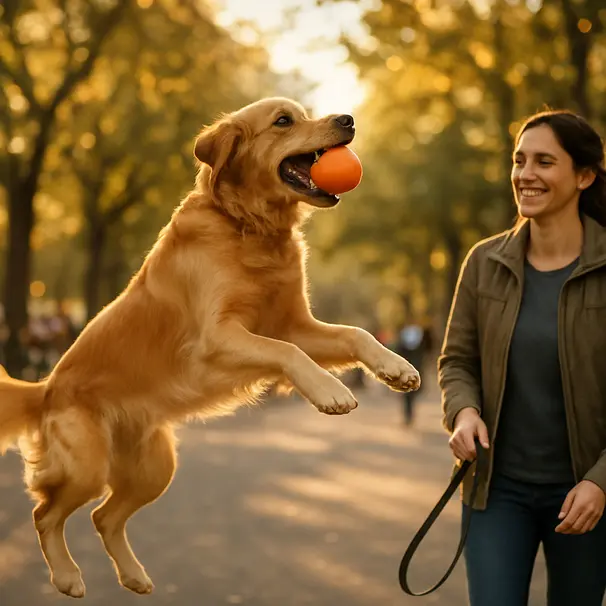
- Tug and fetch with rules: Play tug with clear start and stop cues. For fetch, vary the environment and the objects to keep it interesting.
- Short training bursts: Teach a new cue in five-minute sessions. Learning recalls, spins, or even tidy-up games stimulates the mind.
- Structured walks: Add short pauses for sniffing, teach a ‘look’ cue to redirect attention, and vary routes so new smells and sights appear.
If a dog is very high-energy, consider adding more short sessions rather than one long outing. Puzzle toys can be left when you’re out for safe, supervised enrichment that lasts.
Practical ideas for cats
Cats are sensory masters. They enjoy vertical space and control over their environment. Try these ideas:
- Window perches: A comfy spot by a window gives birds, cars, and clouds as natural entertainment.
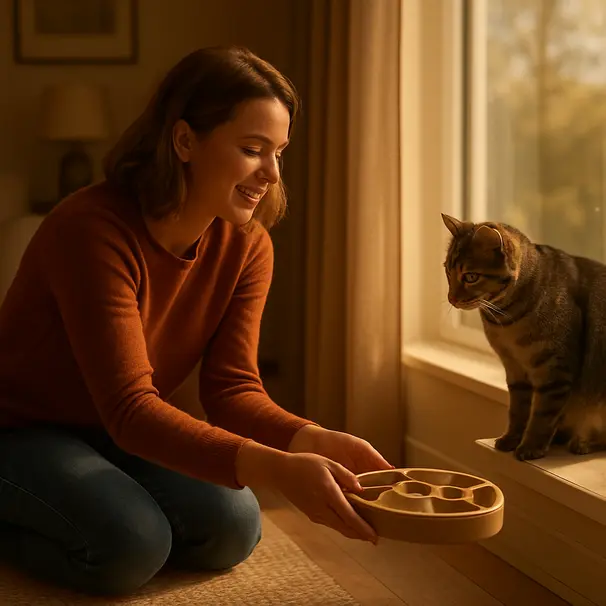
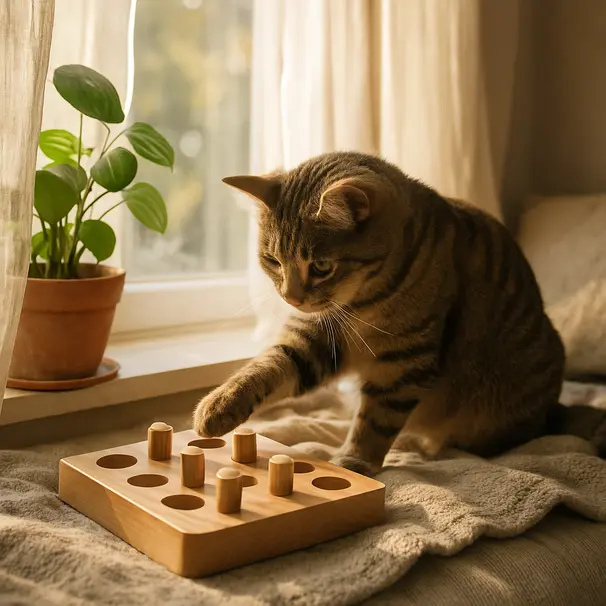
- Food puzzles and timed feeders: Make mealtimes slower and more interesting with puzzle feeders. It can help prevent boredom and overeating.
- Interactive play: Use wand toys, lasers used carefully, and toy rotation to mimic stalking and pouncing. Keep sessions short and end with a tangible toy to capture.
- New textures and hiding spots: Cardboard boxes, paper bags, and small tunnels invite exploration and safe hiding.
- Scent enrichment: Scratchable herbs like catnip or silvervine may be enjoyable for some cats. Introduce scents slowly and watch reactions.
Pay attention to each cat’s preferences. Some love high-energy chases, others prefer quiet scent games. Let them lead.
Small animals, birds, and reptiles: tailored enrichment
Smaller species need specific approaches. Their senses and motivations differ, so enrichment should match species needs.
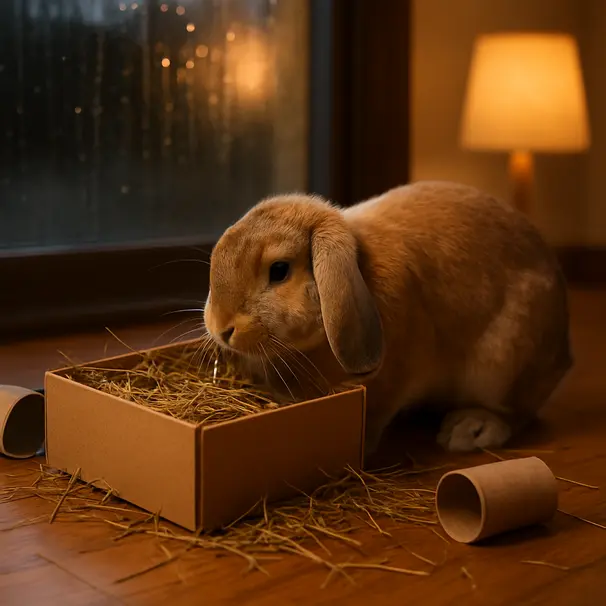
- Rabbits and guinea pigs: Forage boxes filled with safe hay, cardboard tubes, and low tunnels encourage chewing and exploration. Supervised floor time outside the run lets them stretch and sniff.
- Birds: Variety matters. Rotate perches, introduce foraging toys, and offer safe branches for chewing. Puzzle feeders and food hiding mimic natural search behaviours.
- Reptiles: Enrichment often focuses on environmental complexity. Add branches, hides, and varied substrates for digging and thermoregulation. Offer live feeds or scent trails for species that hunt.
- Ferrets and hamsters: Tubes, tunnels, and digging pits are excellent. Change layouts often so the animal explores something new every week.
Always check that materials are safe and non-toxic. Supervise initial sessions, especially if you introduce novel items.
DIY enrichment ideas that won’t break the bank
Making toys and activities at home can be rewarding and cheap. Many pets respond strongly to items with scent and texture.
- Muffin tin puzzle: Place treats in a muffin tin and cover some slots with tennis balls so a pet has to nudge them aside.
- Box village: Stack boxes with holes to create a maze for cats, rabbits, or small dogs to explore.
- Frozen treat blocks: Freeze broth with chopped safe fruits or veggies for supervised licking on hot days.
- Hidden kibble trail: Use paper cups or small containers to hide kibble around a room or safe garden area.
- Paper roll toys: Fold the ends of a toilet roll with treats inside for cats and small dogs to nudge and tear.
Be mindful of choking hazards. Use sturdy materials and retire toys if they start to come apart.
Rainy day and indoor ideas
Bad weather doesn’t mean boredom. Keep days enriching with these simple adjustments:
- Rotate toys weekly: Pets notice novelty. Put some toys away for a while, then reintroduce them like new.
- Short scent games: Hide a strong-smelling treat under cups and let the pet find it.
- Training with focus: Teach calm cues such as ‘settle’ or ‘place’. These help pets manage excitement indoors.
- Indoor obstacle course: Use cushions, low stools, and boxes to create gentle movement challenges.
- Audio stimulation: Try wildlife or ambient soundtracks at low volume for pets who enjoy auditory cues.
If you’re a carer looking after a pet in someone else’s home, ask about favorite toys and routines. Matching what the pet knows can reduce stress.
Enrichment for older or less mobile pets
Age or injury doesn’t mean enrichment stops. Adjust activities to suit ability.
- Low-effort scent games: Scatter treats on a soft mat or use a snuffle mat so pets don’t need to move far.
- Gentle food puzzles: Use wobble feeders that require minimal paw or nose movement.
- Massage and grooming: Many pets find gentle brushing mentally soothing. Short sessions can be both enriching and bonding.
- Mental training: Simple cues like ‘touch’ or ‘watch me’ can be taught from a seated position.
Always consult a vet if pain or mobility issues limit activity. Small changes can still offer meaningful mental engagement.
Safety first: what to consider
- Check materials: Avoid string, small parts, toxic glues, or soft plastics that can be chewed into dangerous pieces.
- Supervise new toys: Watch interactions the first few times, especially with energetic chewers.
- Size matters: Choose toys that match the pet’s size. Small items are choking hazards for big dogs.
- Food allergies and sensitivities: Introduce new treats slowly and in small amounts.
If a pet shows signs of distress, stop the activity and reassess. For ongoing health concerns, consider talking to a vet.
Tips for pet carers: communicating and planning
Good communication builds trust with owners and pets. Here are ways carers can provide excellent enrichment while following owner preferences.
- Ask questions up front: Learn the pet’s routines, favourite toys, and any dislikes or health limits.
- Share a simple plan: A short note or photo about what you did that day helps owners feel connected and reassures them their pet had a good time.
- Match the owner’s style: If the owner prefers calm walks, avoid overly boisterous games unless asked.
- Take notes: Keep quick records of what worked and what didn’t. That helps refine enrichment on future visits.
- Be creative within boundaries: Owners appreciate carers who try simple new ideas while staying safe and predictable.

Building an enrichment routine that sticks
Consistency helps pets learn that good things happen regularly. Here’s a simple weekly plan you can adapt:
- Daily: Short training or play sessions, a scent or foraging activity, and a calm bonding time.
- 2–3 times a week: Rotate a novel toy or introduce a new scent or texture.
- Weekly: A longer walk or exploration session, depending on the animal’s needs.
- Monthly: Swap out toys and rearrange a play area so the environment feels fresh.
Keep sessions short and positive. Pets learn best when they feel successful. If something causes stress, try a milder version later.
When to consult professionals
If behavioural issues persist, like severe anxiety or aggression, consider seeking a qualified behaviourist. For medical concerns that affect activity levels or appetite, see a vet. Enrichment can help many behaviours, but sometimes specialised support is necessary.
Quick checklist for owners and carers
- Rotate toys every 7–14 days.
- Introduce new items slowly and supervise.
- Vary types of enrichment: scent, food, training, and social.
- Keep older or limited-mobility pets engaged with low-impact options.
- Communicate with owners about preferences and safety.
Final thoughts
Enrichment is a loving habit. Small efforts add up to calmer, happier pets and more rewarding relationships. For carers, thoughtful enrichment builds trust with both the pet and the owner. Try a few ideas this week, take notes, and enjoy watching pets discover new ways to play and explore. Your time and imagination can turn ordinary moments into meaningful adventures for the animals you care for.