

Intro
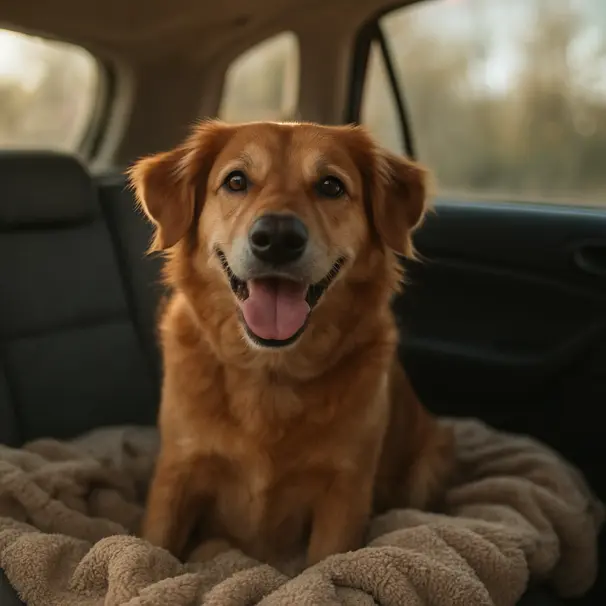
Traveling with pets is a joy and a responsibility. Whether you’re a pet owner heading out for a weekend away, or a pet carer chauffeuring a regular client, a good trip balances preparation, comfort, and common sense. This guide gathers friendly, practical tips to help pets stay safe, calm, and happy on the road.
Before you go: plan and prepare
Start with a checklist. A little planning reduces stress for you and your pet, and can prevent last-minute problems.
- Check identification. Make sure collars are snug and ID tags are up to date. Consider a microchip if one isn’t already in place, and confirm registration details.
- Gather health records. Carry proof of vaccinations, a copy of any medical notes, and emergency contact information for the owner and the regular vet.
- Book smart. If you’re using pet-friendly accommodation or transport, confirm rules about breed, size, and crates. Read cancellation and emergency policies.
- Run a practice drive. Short car trips can help pets get used to motion and the carrier or harness you plan to use.
Pack the pet travel bag
Think like a caregiver. Pack items that comfort your pet and make care easier.
- Food, measured portions, and a familiar bowl.
- A recent photo of the pet, for quick identification if needed.
- Leash, harness, and a spare collar with ID.
- Any medications, treats, and calming aids your vet recommends.
- Bedding or a towel that smells like home.
- Waste bags, grooming wipes, and a small first-aid kit for pets.
Car safety basics
Safety in the car comes first. An unrestrained pet can be injured or cause danger in sudden stops.
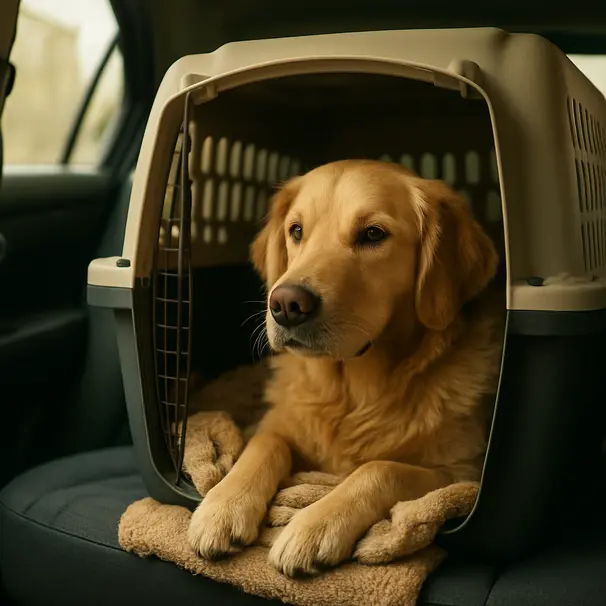
- Use a crash-tested crate or carrier. If your pet uses a carrier, the carrier should be large enough to stand, turn, and lie down in comfortably.
- Consider a vehicle pet seat or harness that attaches to the seat belt, rated for crash safety. Not all harnesses offer the same protection, so check ratings and reviews.
- Keep pets off the front seat. Airbags can injure an animal in a crash. Place the crate or restraint on the back seat or in the rear cargo area.
- Never let a pet ride with its head out the window. Debris, cold air, or sudden stops can cause injury.
Acclimating your pet to travel
If a pet is anxious, rushing straight into long trips can backfire. Spend a few days building positive associations.
- Bring short treats or a favorite toy into the car, and reward calm behavior.
- Start with five to ten minute trips, then slowly increase length.
- If you use a crate, leave the door open at home with soft bedding and treats inside, so the crate feels like a safe space.
Comfort, food, and hydration on the road
Comfortable pets are safer pets. Keep routines as normal as possible while traveling.
- Feed lightly before travel. A heavy meal right before a drive can increase the chance of motion sickness. Try feeding two to three hours before a long drive, or consult a vet for guidance.
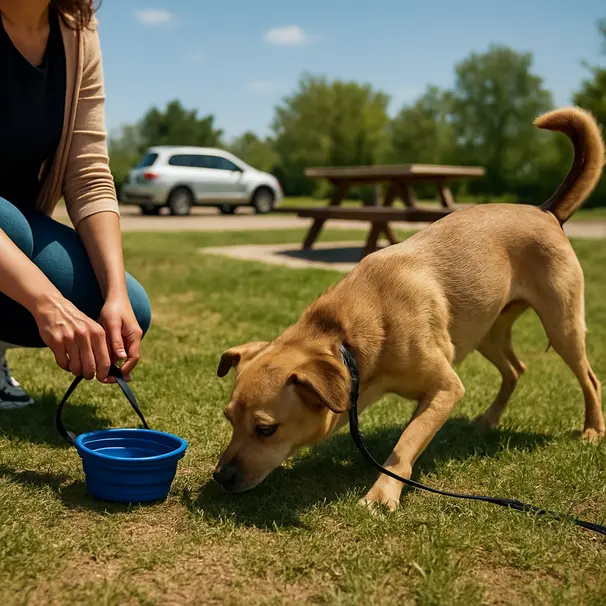
- Keep water available. Use a spill-proof bowl or offer water during rest stops. Hydration helps with nausea and keeps pets comfortable.
- Plan rest breaks every two to three hours. Let dogs stretch, sniff, and take a short walk on a secure leash. Cats may prefer a quiet break in a carrier away from traffic.
- Avoid sudden changes in temperature. Park in the shade, use sunshades, and never leave a pet alone in a parked vehicle. Temperatures can become dangerous very quickly.
Motion sickness and stress
Some pets get car sick or nervous. There are simple ways to reduce their discomfort.
- Try shorter practice trips before long travel, and use gentle praise to reward calm behavior.
- Keep the car well ventilated and avoid strong smells.
- For persistent motion sickness, consider consulting a vet. They may suggest behavioral strategies, natural calming options, or medication to help.
Handling emergencies and unexpected events
Good preparation makes emergencies easier to manage.
- Know the nearest veterinary clinics along your route. Save their numbers and addresses in your phone, and keep the owner’s vet contact handy if you are a carer.
- Have a basic pet first-aid kit. Include bandages, tweezers, antiseptic wipes, a digital thermometer, and an emergency blanket.
- If a pet is lost, act quickly. Use the recent photo, post on local lost-and-found groups, and contact shelters and clinics in the area.
Paperwork and legal considerations
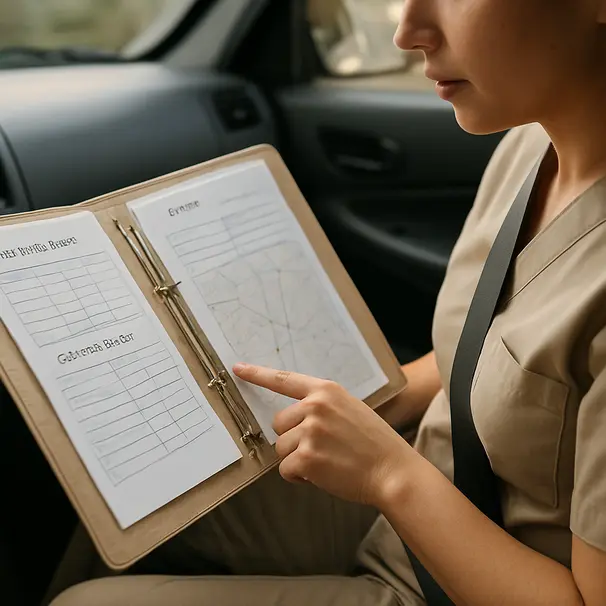
Some trips require documents beyond health records. Check rules ahead of time.
- For cross-border travel, confirm vaccination and import rules for each country or state. Some places require specific timelines for rabies shots or other vaccines.
- Airline travel has its own rules. Verify crate dimensions, health certificates, and breed restrictions directly with the carrier.
- For pet carers, get clear written permission from the owner on allowed activities, emergency medical limits, and contact permissions.
Public transport and rideshares
If you’re not driving, traveling with pets on trains, buses, or rideshares needs extra thought.
- Check the carrier rules for the specific service. Many trains allow small pets in carriers, but rules vary.
- For rideshares, let the driver know you have a pet and bring a towel or seat cover. Offer to clean up after the pet to keep relationships friendly.
- Keep calm and short leash control in crowded places. If a pet is reactive or stressed, consider choosing off-peak times.
Responsibilities for pet carers
Pet carers have a duty of care that includes clear communication and professionalism.
- Confirm all trip details with the owner in writing. Clarify the schedule, feeding instructions, medication timing, and allowed stops.
- Do a handover checklist when taking custody. Note the pet’s normal behaviors, triggers, favorite comforts, and medical needs.
- Keep the owner updated during the journey, especially for flights or long drives. Quick photos and short messages can reassure everyone.

Behavioral safety and social time
Travel can change how pets behave. Anticipate new triggers and plan for gentle socialization.
- Leash manners matter. Reinforce simple cues like “sit” and “stay” during breaks to avoid pulling into traffic or crowded areas.
- Slow introductions. If meeting new people or pets during the trip, allow a calm approach and watch body language closely. Step away if tails are stiff, ears are pinned, or hackles rise.
- Keep enrichment available. Chew toys, puzzle feeders, or a stuffed Kong can occupy a pet during long waits.
A short checklist before you set off
A final run-through helps catch anything missed.
- ID and microchip verified.
- Food, meds, and water packed.
- Crate or harness installed and tested.
- Vet contacts and route clinics saved.
- Owner permissions and emergency plan documented.
After the journey: settling back in
Post-trip care matters. Give pets a quiet transition and watch for signs of stress or motion aftereffects.
- Return to normal feeding and exercise routines quickly, if possible.
- Offer praise and calm attention. A familiar walk and some quiet cuddle time can do wonders.
- If you notice changes in appetite, energy, or bathroom habits that persist, consider contacting a vet for guidance.
Final thoughts
Travel with pets can be a rich, rewarding experience. A calm, methodical approach keeps everyone safe, and small comforts make a big difference. For pet carers, clear communication and careful record-keeping build trust. And for owners, a little practice before the big day helps pets see travel as a positive adventure. Happy travels, and give those floofy companions an extra treat for being such good travelers.