

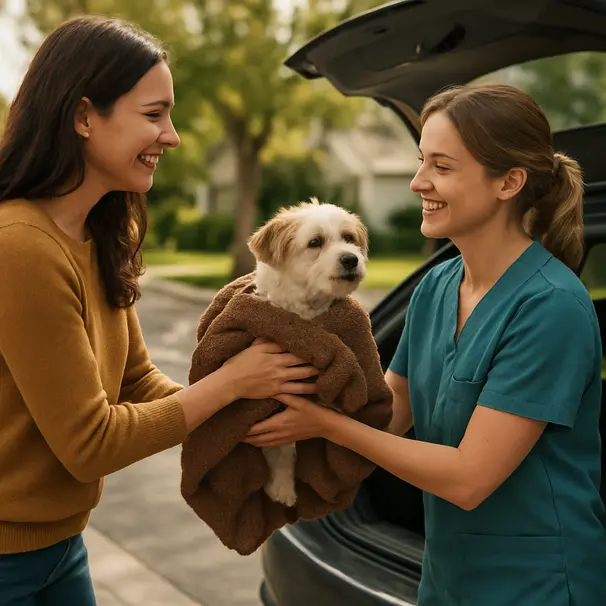
A warm welcome to road-ready pet travel
Planning a trip with a pet carer is a little like organizing a road trip for your favorite family member. A bit of preparation makes the journey calmer, safer, and more enjoyable for everyone involved. This guide walks pet owners and pet carers through practical, friendly steps to keep pets safe on the road, with checklists, real-life tips, and simple do-at-home tests that help you avoid surprises.
Before you hit the road: planning and paperwork
Good travel safety starts at home. Take time to gather documents, pack carefully, and set routines so your pet knows what to expect.
- Health and vaccination records. Bring copies of vaccination certificates, microchip details, and any recent notes from your vet. Consider leaving a digital scan with both the owner and the carer.
- Emergency contacts. Include your phone number, an alternate owner contact, the pet carer’s number, and a local emergency vet near your destination. Keep these visible in the carrier or attached to your keys.
- Medication list and instructions. Write clear dosing schedules and any administration tips. Label medications with pet name and dosage. Consider a pill organizer to avoid confusion.
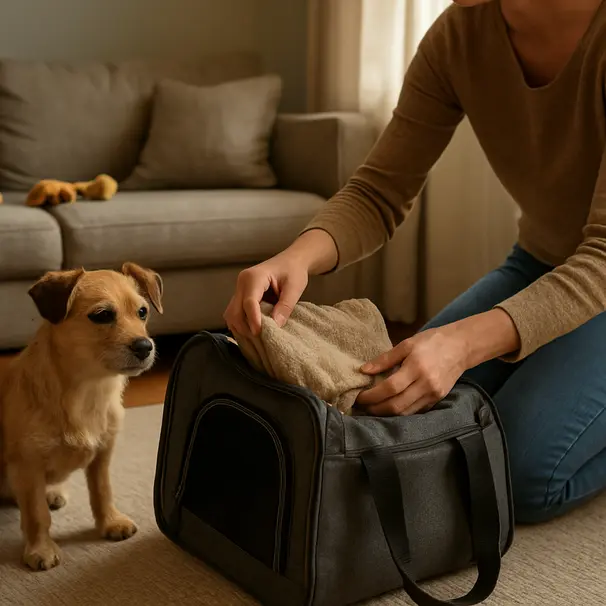
- Familiar items. Pack a favorite blanket, a toy, and a small piece of bedding with your scent. These items can reduce anxiety and help your pet settle under another person’s care.
- Feeding plan. Note food brand, portion sizes, and feeding times. If you include treats, specify allowed types and amounts.
Try a short test run before a long trip. A 30-minute drive or a single overnight stay can reveal what your pet finds stressful, and help you tweak plans.
Choosing the right transport gear
Good equipment protects pets and passengers. The right crate, carrier, or restraint keeps animals stable and reduces the risk of injury.
Crates and carriers
- Use a sturdy crate that is large enough for the pet to stand, turn, and lie down comfortably. Soft carriers are fine for short trips, but a hard-sided crate offers more protection on longer drives.
- Secure the crate in the vehicle so it cannot slide or tip. The back seat, luggage area, or a secured cargo zone works well.
- Line carriers with absorbent pads and a familiar blanket. Have spare pads in case of accidents.
Harnesses and seat restraints
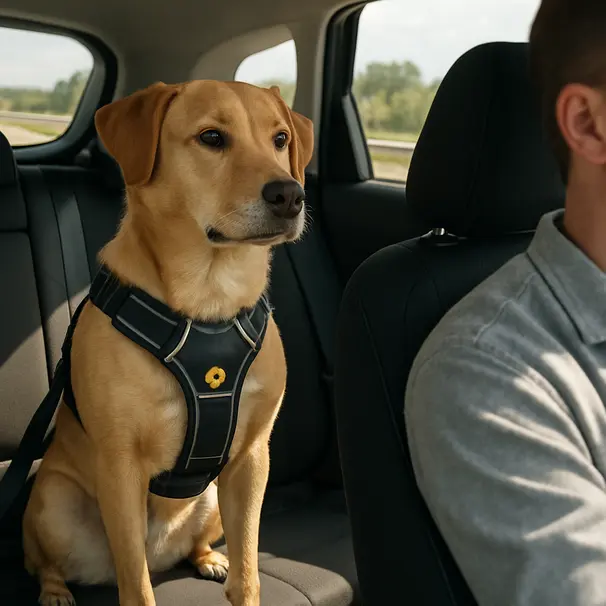
- A crash-tested harness or pet seat belt can provide protection while allowing your pet to be seated comfortably. Make sure harnesses fit snugly and are rated for car use.
- Attach harnesses to a seat belt anchor point, not the headrest. Test the fit on short trips before relying on them for long journeys.
Car-friendly carriers for cats and small pets
- Cats often travel better in enclosed carriers with privacy. Familiar bedding and a small hideaway toy can reduce stress.
- Consider carriers with top access, which can make handling and calming pets easier during stops.
On the road: safe driving and vehicle tips
Driving style affects a pet’s comfort. Smooth, predictable driving reduces motion sickness and anxiety.
- Drive calmly. Avoid sudden acceleration, sharp turns, and abrupt stops when possible.
- Keep the temperature comfortable. Pets overheat quickly in hot cars. Use the AC or cracked windows for airflow, and never leave a pet unattended in a parked vehicle.
- Positioning. Smaller dogs and cats often feel safer in a crate on a flat surface. Larger dogs may prefer a secured area in the back of an SUV. Avoid letting pets ride on laps or unrestrained on seats.
- Window safety. A window slightly open can help with airflow, but avoid letting pets hang their heads out. Debris and sudden braking can cause injury.
Responsibilities for pet carers while driving
Pet carers carry responsibility for the animal’s welfare on the road. Clear communication with the owner and consistent routines make the carer’s job easier.
- Review the care plan. Before the trip, the owner should walk the carer through feeding, medication, and any calming strategies that work.
- Monitor behavior. Watch for signs of stress, such as heavy panting, drooling, trembling, or repetitive vocalizing. Small changes, like offering a familiar toy or turning on soft music, can help.
- Keep comfort items accessible. Make sure the pet can reach its blanket, toy, and water during stops.
- Take notes. Log feeding times, bathroom breaks, and any unusual behaviors. This helps owners stay informed and provides useful information if a vet visit becomes necessary.
Stops, walks, and bathroom breaks
Regular breaks help pets stretch, hydrate, and stay calm.
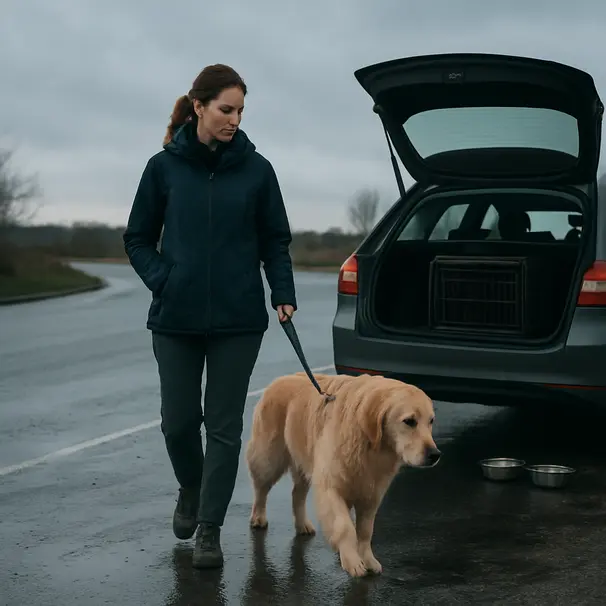
- Plan frequent stops. Every two to three hours is a good baseline for dogs. For cats and small pets, plan for shorter, more controlled breaks.
- Use a leash or carrier. Even in a quiet rest area, keep dogs on a short leash and cats in their carrier or a secure harness to prevent escapes.
- Bathroom protocol. Bring waste bags, a small scooper for cats, and a portable litter box if needed. A short walk before a break can stimulate bowel movements and reduce accidents.
- Offer water, not a heavy meal. Give small amounts of water during stops. Offer the usual food only on the normal schedule, to avoid upset stomachs.
Comfort and enrichment during travel
Long drives can be boring or stressful. Little comforts help pets stay relaxed.
- Familiar smells. A towel or shirt with the owner’s scent can reassure an anxious pet.
- Calming routines. Play the same quiet music or use a soft voice during checks. Gentle petting can help, but watch for stress signals if the pet freezes or pulls away.
- Toys and chews. Give chews and interactive toys for dogs that are safe in the car. Avoid toys with small parts that can become choking hazards.
- Motion sickness considerations. Some pets may be prone to motion sickness. Owners and carers should discuss past experiences and consider vet advice before the trip.
Handling emergencies and when to consult a vet
Emergencies feel scary, but a plan makes them manageable. Keep calm, gather information, and act quickly.
- Know local vets along your route. Map three options within an hour of your travel path. Save their numbers in your phone.
- Recognize warning signs. Severe vomiting, difficulty breathing, collapse, disorientation, severe bleeding, or seizures may require immediate attention. If you see these signs, contact a vet or emergency clinic right away.
- First-aid basics. Keep a pet first-aid kit that includes bandages, antiseptic wipes, sterile gauze, tweezers, and digital thermometer. Owners should brief carers on where the kit is and any known allergies.
- Transport safely. If you need to move an injured pet, keep them as still and comfortable as possible. Use a crate or a makeshift stretcher, and get to a vet promptly.
Consider consulting a vet for anything unusual. A professional can offer guidance over the phone or recommend urgent care.
Communicating during the trip: owner and carer
Open communication reduces stress and keeps everyone aligned.
- Share a travel plan. Owners should give the carer a written itinerary, feeding schedule, and medication chart.
- Use photos and short updates. A quick photo at a scheduled check-in time reassures owners and documents the trip.
- Discuss contingency plans. Decide who will authorize emergency care, who pays for unexpected vet visits, and how expenses will be handled.
Respect personal boundaries. A carer may prefer a rhythm or system that works for them. A little flexibility from both sides helps the trip go smoothly.
Settling in at your destination
Once you arrive, give the pet time to adjust and reclaim a routine.
- Recreate the home setup. Put familiar bedding and toys in a quiet area. Keep the feeding and walking schedule similar to normal.
- Slow introductions. If the pet meets new people or animals, introduce them calmly and one at a time, on-leash when appropriate.
- Monitor for behavior changes. New environments can cause temporary changes in appetite or sleep. Note any persistent issues and consult the owner or vet if needed.
A practical checklist to print or save
- Copies of vaccination and medical records.
- Contact list: owner, alternate owner, local vets along route.
- Medication list with dosing times and written instructions.
- Crate or carrier, secured in the vehicle.
- Harness and seat restraint or carrier anchor.
- Favorite blanket, toys, and a worn shirt for scent comfort.
- Portable water bowl, food, and waste bags.
- Pet first-aid kit and digital thermometer.
- Emergency cash and printed map of vet locations.
Quick troubleshooting tips from experienced carers
- If a dog is whining non-stop, try a short walk and a calm, low-energy approach. Excitement often feeds more excitement.
- For cats that hide, resist forcing interaction. Provide a safe carrier space with the door slightly open so they feel in control.
- If a pet drools or vomits, offer small sips of water and wait before feeding. Note times and amounts for the owner or vet.
Final thoughts: kind, steady care wins the trip
Travel with a pet can be a joyful adventure with the right preparation. Owners who plan and communicate, and carers who stay observant and gentle, form a partnership that keeps animals safe and content. A smooth journey is less about perfect control, and more about thoughtful care, good gear, and calm responses when plans shift.
Safe travels, and remember: a relaxed pet makes for a happier road. Keep these tips handy, use your checklist, and treat the trip like a shared responsibility. Your pet will thank you with wagging tails and gentle purrs.