


Pet trends on social media every pet carer should know
Social media is full of adorable moments, clever hacks, and occasionally questionable advice. For pet carers and owners, those scroll-stopping clips are more than entertainment. They can be sources of ideas, inspiration, and community. They can also spread fads that may not suit every pet.
In this post I’ll walk you through the biggest pet trends on social platforms, why they matter, and how carers can use them thoughtfully. You’ll find practical tips, quick safety checks, and ways to try trends while keeping pets comfortable and safe.
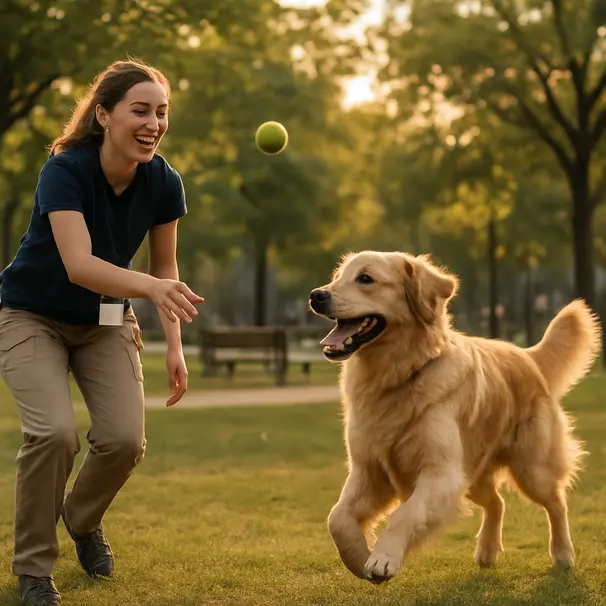
Why social media trends matter for pet carers
Social posts travel fast. A creative trick or a clever enrichment idea can reach thousands overnight. For carers, that means a few things:
- Fresh ideas: New enrichment toys, homemade puzzle setups, and creative walking routes show up all the time.
- Client expectations: Owners may ask carers to replicate a viral routine or activity they loved on video.
- Reputation building: Good, authentic content can help carers attract clients and show their experience.
- Risk of copying without context: What looks cute on camera may have hidden risks for some animals.
Knowing which trends are helpful, which are harmless, and which deserve caution helps carers offer better service. It also protects pets and reduces awkward conversations with owners.
Quick safety checklist for any trend
Before trying a trend with a client’s pet, consider these quick checks:
- Does the activity match the pet’s age, size, and mobility? Puppies and senior dogs may need very different approaches.
- Are any props or treats safe and non-toxic? Look at ingredient lists and avoid human foods that can hurt pets.
- Could this cause stress? Loud noises, sudden movements, or prolonged costumes may be uncomfortable.
- Would a vet need to weigh in? For diet changes or health-related hacks, suggest consulting a veterinarian.
A small pause to evaluate a trend can save stress for you, the pet, and the owner.
Top social trends pet carers should know
Social platforms evolve, but certain themes keep turning up. Here are the trends I see most, with practical notes for carers.
1. Training snippets and trick tutorials
Short reels and clips that break tricks into tiny steps are everywhere. They’re great for bite-sized learning and owner engagement.
Practical tip: Use these as inspiration, not a script. Every dog learns at their own pace. If you try a trick from a clip, break it into even smaller steps and reward often. If something in the tutorial feels rushed, slow down and adapt to the pet’s reactions.
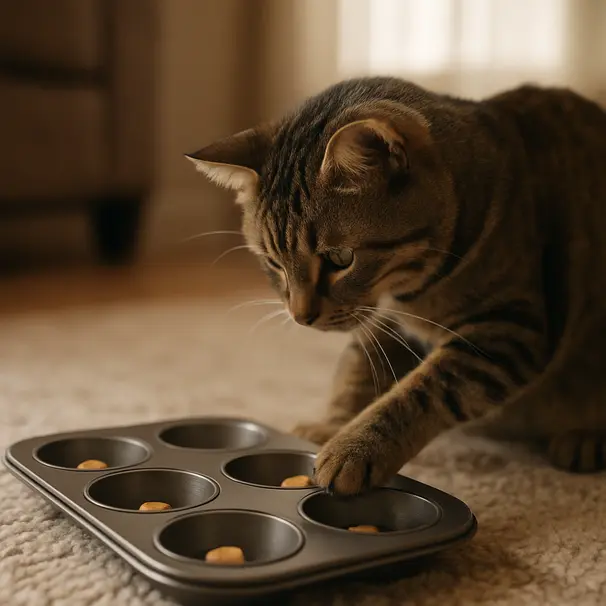
2. Enrichment hacks and DIY puzzle feeders
From muffin tin puzzles to towel-rolled foraging, people love inexpensive ways to keep pets busy.
Practical tip: Test DIY toys yourself first. Make sure small parts won’t become choking hazards. Rotate enrichment toys so novelty stays high and interest doesn’t wane.
3. Pet fashion and costumes
Cute outfits and matching accessories are a staple. They’re perfect for a short photoshoot, but some pets dislike being dressed up.
Practical tip: Keep dress-up sessions brief and watch body language. If the pet tucks the tail, freezes, or tries to remove the outfit, stop. Choose lightweight materials and allow pets to move freely.
4. Viral challenges and dance trends
Pets trending in dances or challenge videos attract lots of attention. These often rely on timing and treats.
Practical tip: Avoid overly long rehearsal sessions. Use high-value treats sparingly and keep sessions fun. Never force a pet into a pose or movement that causes stress or strain.
5. Rescue spotlights and adoption stories
Heartwarming rescue transformations inspire people to adopt and support shelters. Carers often help document progress for fosters.
Practical tip: When sharing stories, respect privacy and shelter guidelines. Focus on behaviour progress rather than only appearance, which helps set realistic expectations for adopters.
6. Wellness and alternative therapy trends
From CBD product reviews to various supplements, wellness trends spread quickly. Some owners discover options this way and ask carers to try them.
Practical tip: Use cautious language. Suggest owners consult a vet before starting supplements. If asked to administer new products, request written instructions and confirmation that the owner has discussed them with a professional.
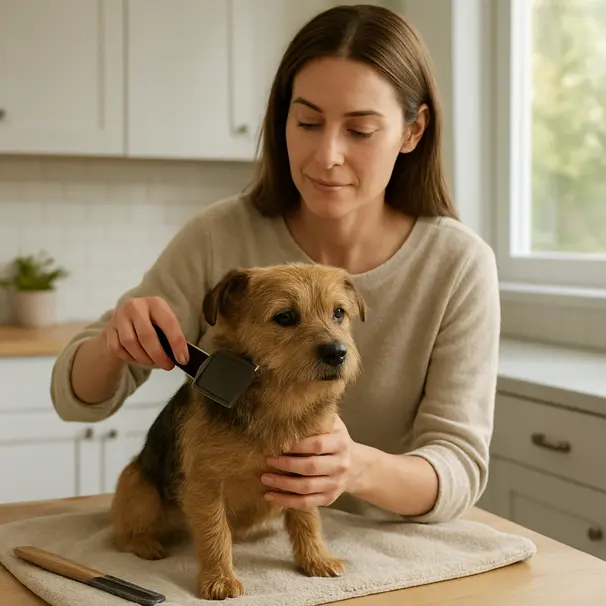
7. Grooming hacks and coat care reels
Quick grooming tips, unusual brush types, and DIY pet spas flood feeds. They can be useful but sometimes skip important safety details.
Practical tip: Be wary of any hack that reduces supervised bathing or trimming. If a video suggests a technique that could nick the skin or involves unfamiliar tools, decline and recommend a professional groomer.
8. “Day in the life” and behind-the-scenes carer content
Clients appreciate transparency. Clips showing walks, play sessions, and feeding routines build trust.
Practical tip: Use these to set realistic expectations. Honest, short clips can show your routine and reassure owners about pet care quality.
How carers can use trends without losing their judgment
Trends can be tools rather than traps. Here’s a practical roadmap for using them safely and smartly.
Evaluate, adapt, and personalize
When you see a promising idea, ask these questions:
- Is the trend appropriate for this pet’s temperament and health?
- Can I simplify or slow down the steps to match the pet’s comfort?
- Does this require special equipment or supervision?
Adaptation matters. A viral puzzle might be brilliant for a high-energy terrier, but frustrating for a shy cat. Tailor the trend to the individual.
Communicate with owners clearly
If you plan to introduce a trend to a client’s pet, share a quick plan: what you’ll try, how long it will take, and what signals you’ll watch for. Offer an opt-in rather than surprising the owner with a new routine.
Example message: “I found a short enrichment activity that could keep Max busy for 10 minutes. I’ll try it on our next walk, watch his comfort signals, and stop if he seems stressed. Want me to give it a go?”
Keep records and feedback loops
Note how pets respond to new activities. A quick note after a session helps build a portfolio of what works. Owners appreciate reports that include what the pet liked and any modifications you made.
Use trends to teach owners
Turn viral content into learning moments. If an owner wants to replicate a trick, show them a safe progression and coach them through small steps. This strengthens your relationship and gives owners confidence.
Content ideas for carers who want to create responsibly
If you’re thinking about sharing your own pet-care content, focus on authenticity and safety. Here are a few ideas that make great, responsible posts:
- Short tutorial series: Break training into tiny steps and demonstrate realistic timelines.
- Enrichment spotlight: Show one simple puzzle, how you set it up, and how the pet interacted.
- Realistic “before and after” rescue updates: Emphasise behaviour and care, not just appearance.
- Safety reminders: Quick clips that explain why certain human foods are unsafe, or how to introduce a new toy.
Always mention when professional help is needed, and avoid promising medical outcomes.
Tools and platforms worth watching
Different platforms favor different types of content. A few quick notes for carers:
- Short-form video apps: Great for tricks, enrichment demos, and quick tips. Keep clips short and focused.
- Photo posts and stories: Perfect for behind-the-scenes glimpses and day updates.
- Community groups and forums: Ideal for asking questions and sharing longer stories, but verify advice before trying it.
Use platform features like captions and pinned comments to add safety notes or resources.
Dealing with trends you should avoid
Some trends are just not worth the risk. These include activities that encourage pets to hold awkward poses, imitate human food challenges, or perform repetitive motions for long periods. If a trend seems to prioritize views over welfare, pass.
When discussing these with owners, be firm but kind. Explain clearly why something may cause stress or harm, and offer safer alternatives.
Final thoughts: stay curious, stay kind
Social media can be a wonderful source of creativity and community for pet carers. If you approach trends with curiosity, a dose of healthy skepticism, and the pet’s welfare at the centre, you’ll find plenty of helpful ideas.
Keep learning, keep sharing what works, and don’t be afraid to say no to a trend that doesn’t fit a pet’s needs. At the end of the day, pets notice calm, consistent care more than viral moments. Your steady presence is the best trend any pet can have.
Quick checklist to take with you
- Pause and evaluate any new idea for safety.
- Personalise activities for each pet’s needs and limits.
- Communicate with owners before trying new trends.
- Suggest vet consultation for health or diet changes.
- Use social media to teach, not just to entertain.
Thanks for reading. If you’re a carer who wants to share a tested, safe trend with the Floofy community, we’d love to hear about it.