

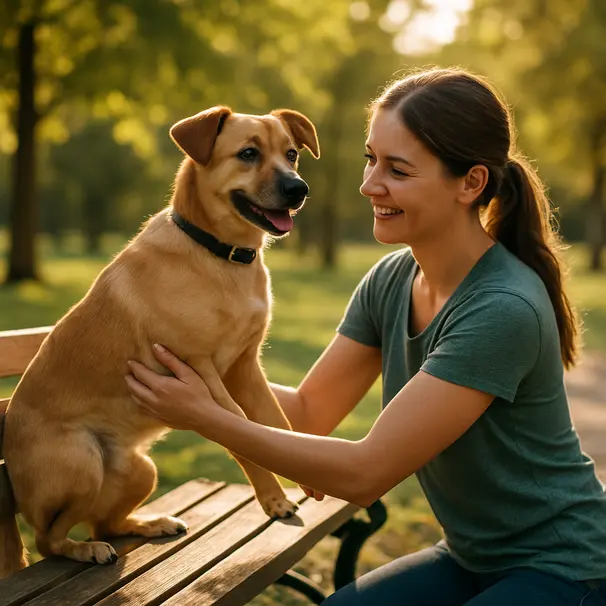
Picking up a dog the right way
Lifting a dog might sound simple, but doing it correctly keeps both of you comfortable and safe. A bad lift can strain your back or hurt your dog, and a calm, confident approach helps a nervous pup trust you faster. This guide walks you through practical steps for different sizes, special cases like puppies and seniors, common mistakes to avoid, and tips for working with a trusted pet carer.
Why correct lifting matters
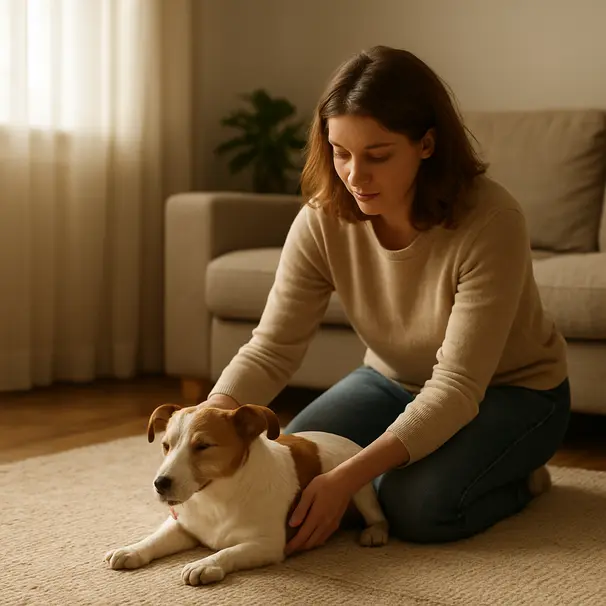
A thoughtful pick-up does three things: protects your body, protects your dog, and deepens trust. Dogs have fragile spines and joints, and humans can suffer pulled muscles or slipped discs if they lift awkwardly. You don’t need to be a bodybuilder to pick up a dog well. Small changes to how you bend, where you support the dog, and how you communicate can make a big difference.
- Comfortable dogs are easier to handle.
- Comfortable humans can help more, for longer.
- A calm routine becomes a predictable, reassuring signal for your dog.
Before you lift: a quick checklist
Spend thirty seconds preparing. A couple of small steps often make the rest effortless.
- Read the dog: are they relaxed, tense, or scared? Soft eyes, relaxed mouth, and loose body are good signs.
- Remove hazards: slick floors, toys, or leashes that might tangle.
- Ask for help: if the dog is heavy or stiff, find someone to assist.
- Use aids if needed: towel slings, harnesses with lift handles, or ramps can help.
- Communicate clearly: call your dog’s name, offer a treat, and use a calm voice.
If a dog seems injured, yelps when touched, or resists strongly, consider contacting your vet or a professional carer rather than forcing a lift. A vet can advise on the safest way to move an injured animal.
Picking up small dogs (under 20 pounds)
Small dogs tend to be easier to lift, but they still need support. Use one hand under the chest and one hand under the hindquarters. That keeps the spine level and prevents pressure on the abdomen.
Step-by-step for small dogs:
- Kneel or squat beside the dog to lower your center of gravity.
- Speak softly and place one hand under the chest, behind the front legs.
- Slide your other hand under the dog’s hind end, supporting hips and tail base.
- Lift smoothly by straightening your legs, not by twisting or jerking your back.
- Hold the dog close to your chest to reduce strain, and keep them level.
Practical tips:
- If the dog is squirmy, wrap your forearm gently around their shoulders for a secure feel.
- Use a towel or blanket as a sling if you need to lift from a soft surface like a couch.
- For anxious dogs, practice short, pleasant lifts paired with treats so they enjoy the routine.
Picking up medium dogs (20–50 pounds)
Medium dogs are a step up in weight and may require a slightly different approach. The same principle applies: support the chest and rear, keep the spine level, and use your legs.
Technique for medium dogs:
- Stand with feet hip-width apart and bend at the knees.
- Place one arm under the chest, reaching between the front legs if comfortable.
- Slide your other arm under the hips, supporting the pelvis and tail base.
- Lift by pushing through your legs, keeping the dog close to your body.
If you feel strain at any point, pause and get help. A second person can hold the chest while you lift the hips, or vice versa.
Picking up large dogs (over 50 pounds)
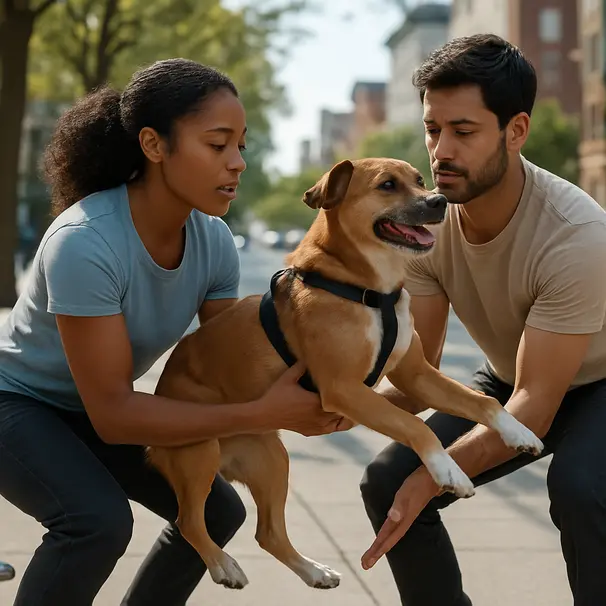
Large dogs often need two people or a lifting aid. Even confident owners should resist trying to pick up a big dog alone if it risks injury. Two-person lifts are safe and reassuring for the dog.
Two-person lift method:
- Position one person at the chest, the other at the hips.
- Communicate a count, such as “Ready, up on three,” so both lift together.
- Each person uses their legs, keeping backs straight and the dog level.
- Move slowly, and place the dog gently where they need to go.
Alternatives to manual lifting:
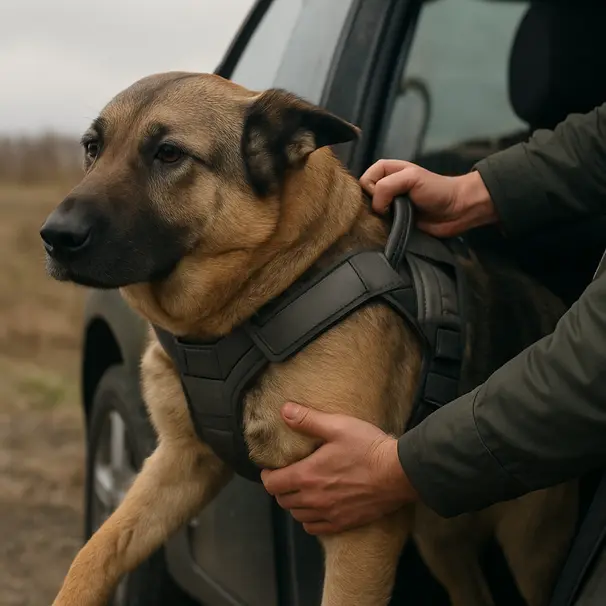
- Use a harness with a handle: many lifting harnesses distribute weight and give leverage.
- Employ a ramp: perfect for cars and beds, ramps remove the need to lift entirely.
- Consider a lifting sling or blanket: slide it under the dog and lift with two people.
If you use a harness, choose one that supports the chest and rear. Never lift a dog by a collar alone, as this can strain the neck.
Puppies and seniors: special considerations
Puppies and senior dogs need extra gentleness. Puppies have developing bones and might squirm; seniors may have arthritis, weakness, or pain.
For puppies:
- Keep lifts short and calm, making them feel safe.
- Use treats and praise to make handling a positive experience.
- Avoid overhead lifts that might frighten very young pups.
For seniors:
- Check for stiffness before lifting, and ask your vet about osteoarthritis or other issues.
- Use soft slings or padded harnesses to reduce pressure on joints.
- If a senior dog resists lifting, try supporting them under the chest and hips and transferring them to a soft surface slowly.
When in doubt, consult a veterinarian or an experienced carer about the safest technique. They can suggest supports or recommend physical therapy that may help.
Common mistakes and how to avoid them
Some habits feel natural but can cause trouble over time. Here are common missteps and easy fixes.
- Mistake: Lifting with your back. Fix: Bend your knees, straighten your legs.
- Mistake: Holding the dog away from your body. Fix: Keep the dog close to reduce leverage and wobbling.
- Mistake: Lifting by collar or scruff. Fix: Support chest and hips instead.
- Mistake: Sudden movements. Fix: Move slowly and speak calmly.
Also avoid lifting a dog while standing on a slick surface. A skid can cause sudden twists that harm you both.
Building confidence through practice
If lifting dogs will be part of your routine, practice with a calm, cooperative dog or with a stuffed weight to rehearse the motions. Simple exercises can help:
- Squats: strengthen your legs and practice the motion used for lifting.
- Core work: a stronger core reduces the chance of back strain.
- Mock lifts: practice the hand placement with a cooperative dog, pairing the motion with treats.
Practicing in short, positive sessions helps dogs view being lifted as normal and enjoyable.
If a dog resists or struggles
Some dogs will avoid being picked up. Respect their boundaries, and try to build trust gradually.
Strategies:
- Start by rewarding calm standing and gentle petting.
- Practice touching the chest and hips without lifting, then reward.
- Use a calming signal, like soft music or a familiar blanket.
- For dogs with fear or aggression around handling, consider asking a behaviorist or professional carer for help.
Never force a dog into a lift. Forcing can damage trust and may escalate fear-based reactions.
Asking for help: tips for choosing a carer on Floofy
There’s no shame in getting help. Many Floofy carers are experienced with lifts, harnesses, and special-needs pets. When choosing someone:
- Look for carers with experience handling large or senior dogs if that’s your need.
- Ask about the aids they use: harnesses, slings, ramps, or two-person lift techniques.
- Check reviews for calm handling and clear communication.
- Share your dog’s quirks and medical needs up front, so the carer can prepare.
A quick conversation about your dog’s favorite treats and calming cues can make the first visit smoother.
Quick troubleshooting and a short checklist
If you lift your dog and something feels off, pause and reassess. Use this short checklist whenever you prepare to pick up a dog:
- Is the dog calm and steady?
- Is the path clear of obstacles?
- Are you using both hands to support chest and hips?
- Are you lifting with your legs and keeping the dog close?
- Do you need a second person or a device to help?
If you can answer “yes” to each, you’re in a good place.
Final thoughts
Picking up a dog the right way is a small act with a big payoff. You protect your body, keep your dog comfortable, and build trust. Little rituals, like a soft voice, a steady hand, and a favorite treat, turn lifting into a shared moment rather than a chore. If you ever feel unsure, reach out to a trusted carer on Floofy or your veterinarian for personalized advice. With a bit of practice and the right tools, lifting your dog will become second nature and a pleasant part of your routine.