

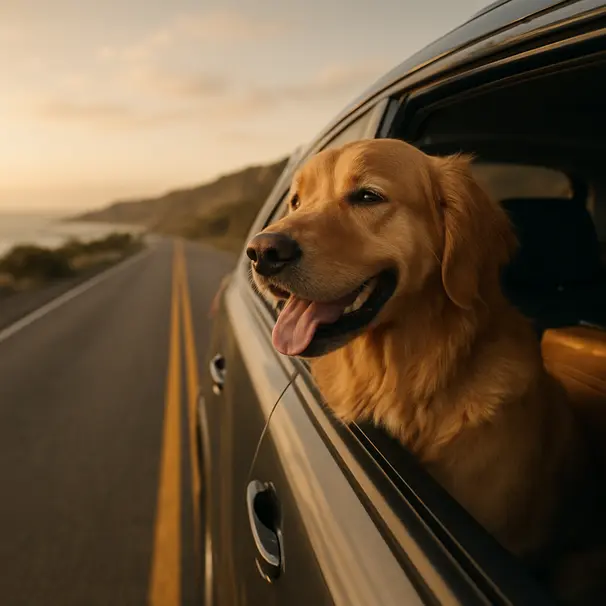
Planning road trips with pets: tips for owners and pet carers
Road trips are one of life’s simple pleasures, and sharing them with a pet can make memories that last a lifetime. Whether you’re an owner planning a family vacation, or a pet carer arranging a long drive while a family is away, the basics are the same: preparation, comfort, and flexibility. This guide walks through practical steps to keep pets calm, safe, and happy on the road.
Why planning matters
Pets can pick up on stress, sudden changes, and long stretches of confinement. Small choices before you leave can prevent a lot of anxiety, motion sickness, and safety risks. Think of planning as the difference between a relaxed playlist and a car alarm—both are loud, but only one sets the tone.
Pre-trip preparations
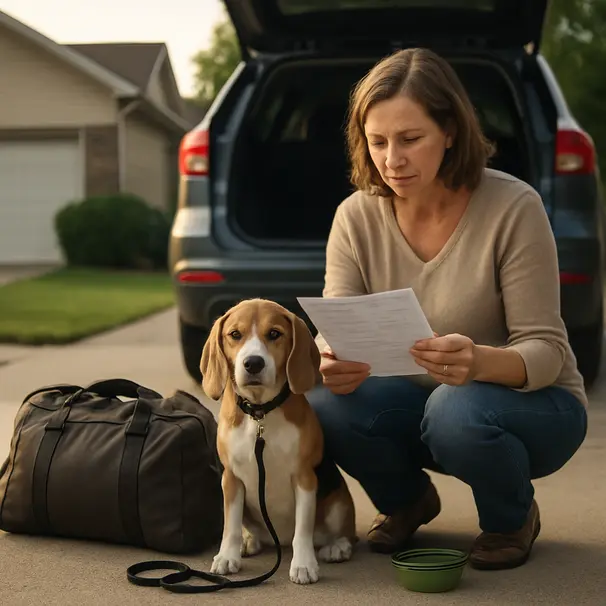
Good trips start at home. These are the things to do before you buckle up.
Health check and paperwork
- Consider a quick vet visit to confirm vaccinations, overall health, and to discuss motion sickness or anxiety. A vet can suggest remedies or medications if needed.
- Bring a copy of medical records, vaccination certificates, and contact info for local vets along your route.
- If your pet needs prescription food or medication, pack a little extra in case of delays.
Identification and microchips
- Make sure ID tags have up-to-date contact details. Consider adding your travel phone number along with home contacts.
- Confirm the microchip information is current. If your pet escapes in an unfamiliar area, this can be a lifesaver.
Practice short drives
- If your pet isn’t used to car rides, do short, frequent trips to build confidence. Reward calm behavior with treats or praise.
- Get them accustomed to carriers, car seats, or harnesses before the big day.
Test accommodations and routes
- If you plan to stay overnight, check pet policies for hotels, rentals, or campsites ahead of time.
- Map out pet-friendly rest stops and parks along the way. Knowing where to stretch legs reduces stress for everyone.
Packing essentials for pets
Pack like you’re preparing a mini base camp. A few thoughtful items can make a huge difference.
Food and water
- Pack your pet’s regular food in measured portions to avoid stomach upset from diet changes.
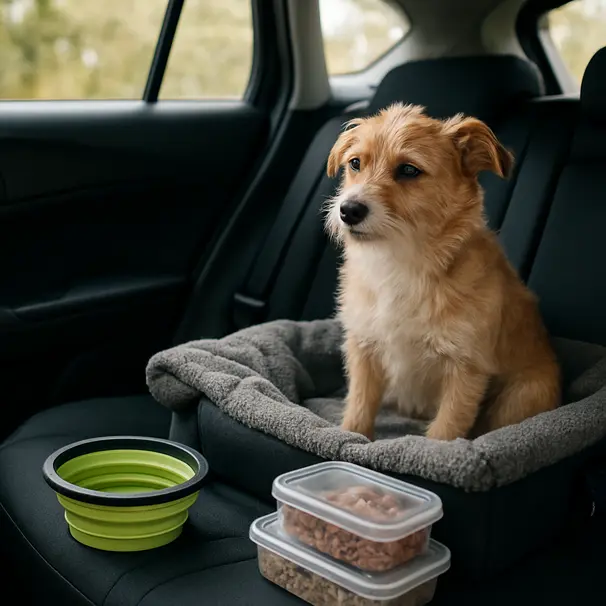
- Bring collapsible bowls and a water bottle. Offer water frequently, especially on warm days.
Comfort items
- A favorite blanket or toy can be calming. Familiar smells help reduce anxiety.
- Include a small towel and waste bags for messy moments.
Safety gear
- Use a well-fitted harness, seatbelt tether, or a secured carrier. Loose pets in a moving car are a danger to themselves and others.
- Consider a pet car seat for small animals, and a crash-tested crate for larger pets if available.
First-aid and extras
- Pack a basic pet first-aid kit with gauze, antiseptic wipes, tick remover, and any vet-prescribed meds.
- Hand sanitiser, paper towels, and a flashlight are useful for unexpected stops or dark arrivals.
Car safety and comfort
How you set up the vehicle affects behavior and safety.
Secure the space
- Keep pets in the back seat or cargo area, not the front. Airbags can injure animals during an accident.
- For crates, make sure they’re secured so they won’t slide. For harnesses, attach to a proper seatbelt anchor.
Temperature and ventilation
- Never leave a pet unattended in a parked car. Temperatures can become dangerous in minutes.
- Use sunshades, cracked windows, and timely breaks to regulate temperature. Consider a cooling mat on warm days.
Motion sickness and feeding schedule
- Avoid heavy meals right before driving. Small snacks or treats are usually fine.
- For pets prone to motion sickness, try short rides first, and discuss options with a vet.
Entertainment and calmers
- Chew toys, stuffed Kongs, or snuffle mats can reduce boredom for dogs.
- For nervous pets, a quiet podcast or soft music at low volume can be soothing.
On the road: stops, routines, and behavior
Keeping a steady rhythm breaks up the monotony and helps maintain potty and energy schedules.
Stop frequently
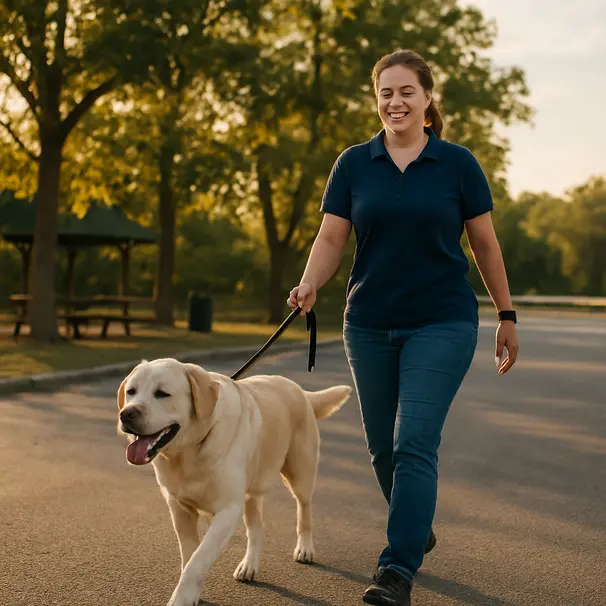
- Aim for a quick walk and bathroom break every two to three hours. Stretching helps circulation and reduces stress.
- Offer water, but don’t let your pet gulp large amounts at once after a long drive.
Routine matters
- Stick to your pet’s regular feeding and sleeping routine as much as possible. Predictability reduces anxiety.
- If your pet naps a lot, keep the cabin calm and dim when it’s their rest time.
Mind the environment
- Always leash pets immediately when leaving the vehicle. New places create distraction and escape risk.
- Use harnesses or short, sturdy leashes in busy rest areas.
Respect other travellers
- Not everyone is comfortable around pets. Keep distance from people and other dogs if your pet is reactive.
- Clean up promptly and leave spots as tidy as you found them.
Overnight stays and finding pet-friendly lodging
Where you sleep matters for everyone’s well-being.
Research options
- Filter search results for pet-friendly hotels, rentals, and campgrounds. Read recent reviews focused on pets.
- Call ahead to confirm rules, fees, and any size or breed restrictions.
Pack for the room
- Bring a portable gate, familiar bedding, and a mat that smells like home.
- If your pet is crate-trained, set up the crate early so it becomes a safe zone.
Introductions and boundaries
- Upon arrival, walk the perimeter together so your pet can mark and sniff safely.
- Keep them on a leash during introductions to new spaces. Close windows and secure doors before letting them explore.
Consider alternatives
- If lodging is tight or your pet is anxious, look for trusted local carers or pet-friendly day services. This can give pets a calmer environment while you handle logistics.
Tips for pet carers on road trips
Pet carers have special responsibilities. You’re responsible for comfort, safety, and communicating with owners.
Communicate clearly
- Confirm the owner’s routine, feeding times, medical needs, and behavior triggers before you leave.
- Share a travel plan and keep owners updated with photos and brief notes. Reassurance goes both ways.
Keep calm and consistent
- Pets take cues from caretakers. Speak softly, move calmly, and keep the same rules the owner uses.
- If a pet is clingy or nervous, short, frequent breaks and gentle praise can help.
Know the emergency plan
- Be clear on which vet to contact in an emergency and who has permission to authorise treatment.
- Carry copies of medical records and owner contact info in both digital and physical form.
Respect boundaries
- Some owners prefer text updates, others want photos. Honour their communication style and privacy.
Dealing with common problems
Even with planning, things can go sideways. Here are quick responses to frequent issues.
Motion sickness
- Pull over for fresh air and a short walk. Offer small sips of water.
- For persistent problems, consult the vet about possible treatments before the trip.
Stress and noise sensitivity
- Use calming tools like pressure wraps, familiar toys, or low-volume music.
- Create a sheltered area in the vehicle using blankets or a crate cover.
Accidents in the car
- Keep cleaning supplies on hand, and pull over safely to manage the mess.
- Protect seats with waterproof covers to make cleanup easier and reduce stress.
Unexpected detours or delays
- Stay flexible and keep the pet’s basic needs first. Extra walks and patience can save the day.
A short emergency checklist to carry
- Vet contact numbers and pet ID information
- Extra food, medication, and water
- Copies of vaccination records and medical notes
- A sealed pet first-aid kit and basic tools
- Owner emergency contact and permission notes for treatment
Final pre-trip checklist
- Book pet-friendly lodging and confirm policies
- Vet visit if needed, and pack prescriptions
- Secure appropriate seat harnesses or crates
- Pack comfort items, food, waste bags, and first-aid
- Map pet-friendly stops and vets along the route
Wrap-up: enjoy the ride
Road trips with pets are a balance of planning and presence. With thoughtful preparation, steady routines, and a little flexibility, trips can be less about logistics and more about shared joy. Owners and pet carers alike can make journeys peaceful by keeping comfort and safety first, communicating clearly, and remembering that pets sense our mood. Take deep breaths, throw open a window at a safe stop, and let the adventure unfold slowly.
If you’re unsure about health or medication, consider consulting your vet before travel. Safe travels and happy tails!