

Popular Irish dog names for your pet
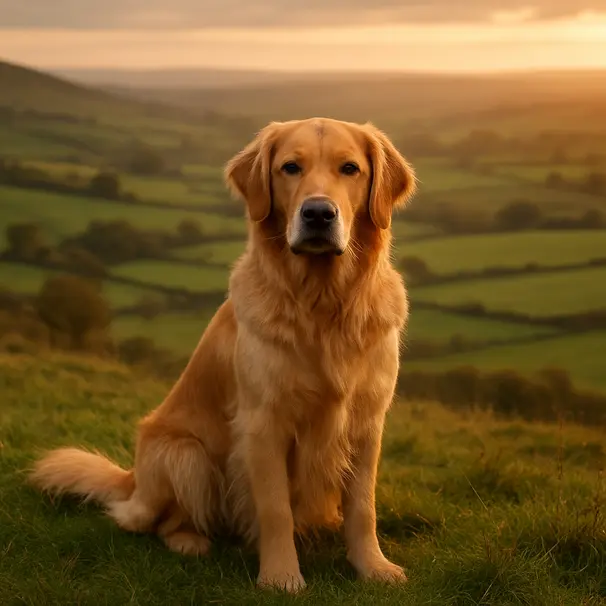
Choosing a name for your dog is one of those tiny, joyful decisions that feels like the start of a thousand little adventures. An Irish name can be a lovely way to celebrate heritage, nod to Celtic culture, or simply pick a name with a beautiful sound and story. In this guide you’ll find popular Irish names for male, female, and unisex dogs, pronunciation help, practical naming tips, and friendly training advice to get your new pup responding to their name like a pro.
Why pick an Irish name?
Irish names have a warmth and rhythm that many dogs respond to. A few reasons people choose them:
- They often have short, punchy syllables that work well for training commands.
- Many names carry meanings tied to nature, bravery, or kindness.
- They can be a charming way to connect to family roots or favourite places.
You might be drawn to the musical sound of Gaelic, the history behind certain names, or simply how the name fits your dog’s look and energy. Keep in mind that pronunciation can vary. If you pick a Gaelic name, write down the phonetics so everyone in the household uses the same sound consistently.
Popular male Irish dog names (with meanings and pronunciation)
These names are commonly used and tend to suit a range of breeds, from sprightly terriers to gentle large breeds.
- Aiden (AY-den): little fire. Friendly and familiar, great for lively dogs.
- Finn (FIN): fair or white. Short and sharp, easy for recall.
- Sean (SHAWN): God is gracious. Classic Irish version of John.
- Conor (KON-or): lover of hounds or wise wolf. A strong choice for hunters.
- Liam (LEE-um): resolute protector. Popular and modern.
- Cian (KEE-an): ancient, enduring. A softer, melodic option.
- Oisin (USH-een): little deer. Sweet for a graceful or gentle dog.
- Rory (ROR-ee): red king. Playful and spirited, fits energetic pups.
- Padraig (PAW-drig or PAD-rig): noble, often anglicised to Patrick.
- Seamus (SHAY-mus): supplanter. A warm, rolling sound that suits calm dogs.
Popular female Irish dog names (with meanings and pronunciation)
Irish female names often have lyrical tones and lovely meanings.
- Saoirse (SEER-sha): freedom. Elegant and modern sounding.
- Niamh (NEEV or NEEV): radiance or brightness. A gentle, fairy-like name.
- Caoimhe (KWEE-va): gentle, beautiful. Soft and affectionate.
- Siobhan (shi-VAWN): God is gracious. Classic and strong.
- Maeve (MAYV): intoxicating, she who makes drunk with beauty. Regal and short.
- Erin (EHR-in): from Ireland. Simple and heartfelt.
- Aisling (ASH-ling): dream or vision. Poetic and whimsical.
- Roisin (ROH-sheen): little rose. Lovely for small or sweet-tempered dogs.
- Brigid (BREE-jid or BRIJ-id): strength or exalted one. Can be shortened to Bridie.
- Orla (OR-la): golden princess. Bright and friendly.
Unisex and classic Irish names
Some Irish names fit any dog, or have anglicised forms that are easy to pronounce and train with:
- Kieran (KEER-an): little dark one.
- Kelly (KEL-ee): bright-headed, commonly used as both a surname and given name.
- Casey (KAY-see): brave in battle, upbeat and playful.
- Quinn (KWIN): counsel, short and sharp for easy recall.
- Rowan (ROH-an): little redhead, also a tree with pretty berries and significance in folklore.
Classic anglicised options like Molly, Maggie, or Tommy also appear frequently in Ireland and feel familiar internationally.
Tips for choosing the perfect Irish name
Picking a name is part romance and part practicality. Here are things to consider:
- Keep it short and punchy: One or two syllables usually work best for training and quick recall. Names like Finn, Maeve, and Quinn are excellent examples.
- Sound clarity: Pick names that don’t sound like common commands. “Bo” sounds different from “no”, but “Jo” might sound like “go.” Say a few commands out loud with the name to hear how they mix.
- Personality fit: A playful terrier could suit Rory or Finn. A calm, dignified older dog might suit Brigid or Seamus. Think of how it sounds when calling at the park.
- Family-friendly: Run the name past kids and other family members to make sure it’s easy for them to pronounce and unlikely to be shortened awkwardly.
- Avoid names that rhyme with household words: Names that rhyme with “sit” or “stay” can be confusing during training.
- Cultural respect: If you choose a traditional Gaelic name, learn a little about its pronunciation and meaning. It shows appreciation and makes the name feel more meaningful.
How to introduce your dog to their new name
A name means very little until it becomes associated with good things. These steps can help your dog learn and like their new name quickly.
- Positive association: Every time you say the name, follow with a treat, a scratch, or happy praise. The idea is the name predicts something nice.
- Short training sessions: Fifteen minutes a day in several short sessions beats one long session. Repetition helps build the link between sound and reward.
- Use the name before giving attention: Say the name, wait for eye contact, then reward. This teaches your dog to look to you when called.
- Avoid using the name for scolding: If the name becomes associated with negative experiences, your dog might avoid responding. Save a different tone or word for corrections.
- Generalize the name: Practice in a few environments. Start in the quiet living room, then move to the garden, then a quiet park. Dogs learn the name applies everywhere.
Pronunciation guide and common pitfalls
Some Gaelic names can be spelled in ways that surprise people. Here are a few notes to keep your family consistent:
- Niamh is pronounced “NEEV.” Often people try “NY-aim” or “NEE-um.” Stick with one pronunciation and gently correct others.
- Saoirse is “SEER-sha.” It’s a two-syllable name that sounds elegant when called clearly.
- Caoimhe is “KWEE-va.” The spelling can throw off new speakers but once familiar it’s easy to say.
- Oisin is commonly said as “USH-een.” Some try an “OH-” sound first; listen to native pronunciations if you’re unsure.
A little practice with phonetics can go a long way. Consider writing the phonetic spelling on your phone’s contact for your pet so visiting carers and friends get it right.
Cultural notes: appreciation not appropriation
Many Irish names are rooted in Gaelic language and centuries of history. Choosing one can be a lovely sign of connection. It’s thoughtful to:
- Learn the meaning of the name you pick. That adds a personal story to share with friends and carers.
- Use respectful pronunciation. If you’re unsure, look for reputable sources or ask someone with Irish knowledge.
- Avoid cliché pairings or stereotypes. Treat the name as a meaningful choice, not just a novelty.
Carers on Floofy appreciate when pet owners include pronunciation and preferred nicknames in the booking notes. It helps everyone give consistent cues and makes your dog feel secure.
Fun nicknames and variations
Irish names are playful by nature and lend themselves to cute nicknames. Try these ideas:
- Finn: Finny, Fins
- Maeve: Mae, Mavey
- Saoirse: Sair, Seers
- Rory: Ro, Ror
- Niamh: Nia, Neve
If you plan to use nicknames, teach one consistent call name for training and use nicknames mostly for affection.
Practical considerations for carers and owners
If you’re using Floofy to find a sitter or dog walker, add name details to your profile and booking notes:
- Preferred call name and any nicknames.
- Phonetic spelling and a short note on tone to use, for example “short, upbeat” or “soft and slow.”
- Any routine or cue words you use, like “crate,” “bed,” or “walk.” Consistency helps carers follow your approach.
Also mention if your dog is shy about strangers, nervous around certain noises, or has favourite treats. Little notes help carers make the name feel trusted and loved.
Closing thoughts
Choosing the right Irish name is part imagination, part practicality. Pick a name that feels warm to you, that your dog responds to, and that family and carers can say easily. With a bit of patience, a few treats, and consistent use, that name will become part of your daily language and your shared story. Whether you go for an ancient Gaelic name or a modern favourite, the best name is the one that makes you smile when you call it at the park.
Happy naming, and may you and your pup have many joyful walks together.