

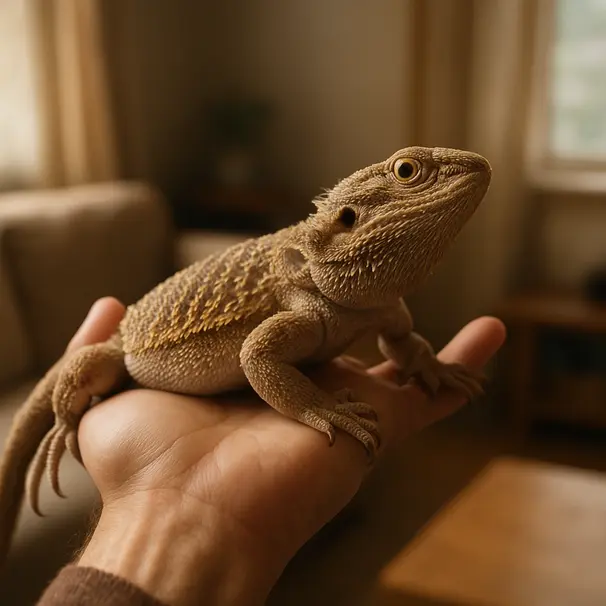
Practical Guide to Exotic Pet Ownership: Care, Costs, Legalities
Bringing an exotic pet into your life can be an incredibly rewarding experience. These animals are often intelligent, fascinating, and full of personality. That joy comes with responsibilities, though, and exotic care can look very different from caring for a dog or cat. This guide helps pet owners and carers make thoughtful decisions, plan practical care, and stay on the right side of the law.
Is an exotic pet right for you?
Exotic pets can include reptiles, amphibians, small mammals like sugar gliders or hedgehogs, birds, and certain invertebrates. Before you commit, pause and consider:
- Time: Some species need daily interaction and long-term commitment. Parrots, for example, can live for decades and require social stimulation.
- Space: Enclosures should mimic natural environments. Many reptiles need vertical space, while burrowing mammals need secure substrates.
- Skill level: Some animals are more hands-on. Research species-specific handling techniques and maintenance.
- Local rules: Some species are restricted or banned in certain areas. Check local regulations early.
Make a pros-and-cons list. Talk to current owners and experienced carers. Observe the animal in person if you can. The right choice keeps you and your new companion safe and content.
Common exotic pet types and what they typically need
Reptiles (bearded dragons, ball pythons, tortoises)
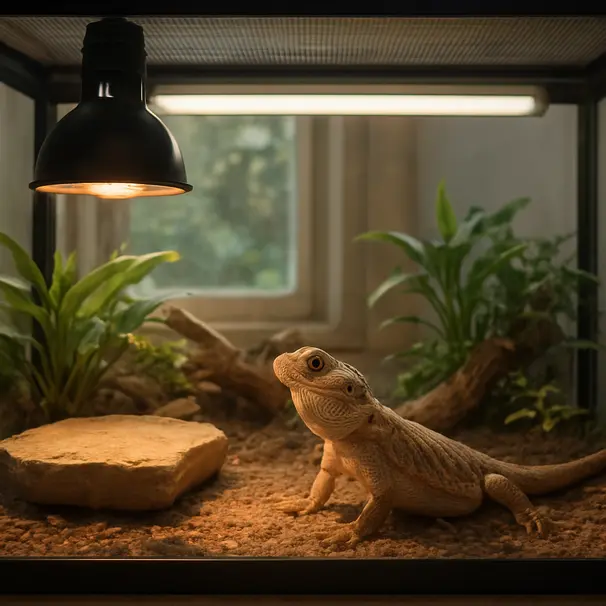
- Warmth: Heat sources must be safe and reliable. Use thermostats and basking spots that match species needs.
- Light: UVB lighting is essential for many reptiles to metabolize calcium.
- Enclosure: Size and layout should allow natural behaviors, like climbing or digging.
Birds (parrots, cockatiels)
- Social interaction: Many birds bond to people and get bored quickly.
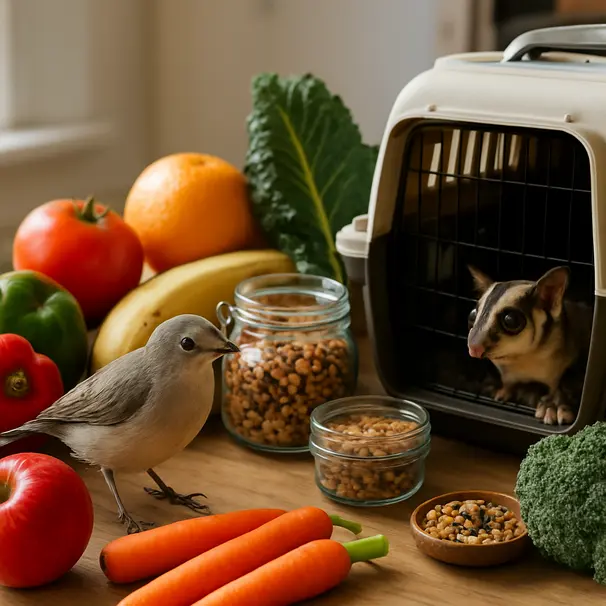
- Diet: Fresh fruits, vegetables, pellets, and safe nuts can form a balanced diet.
- Safety: Avoid toxic household hazards like Teflon fumes and certain plants.
Small mammals (ferrets, sugar gliders, hedgehogs)
- Enrichment: Tunnels, climbing structures, and toys help prevent boredom.
- Diet specifics: Some are omnivores, others mainly insectivores or herbivores; feeding mistakes can be harmful.
- Handling: Gentle, consistent handling helps build trust.
Amphibians and invertebrates (frogs, tarantulas)
- Humidity and water quality: Amphibians need precise humidity and clean water.
- Sensitive to chemicals: Invertebrates and amphibians may be more susceptible to pesticides and heavy metals.
Housing and habitat setup
A comfortable, species-appropriate habitat is the foundation of good care. Poor housing can cause long-term stress and health problems.
Practical steps for building a home
- Research dimensions: Look for husbandry guides from reputable sources and breeders.
- Temperature gradients: Create warm and cool zones so the animal can thermoregulate.
- Substrates and furnishings: Use safe substrate materials and provide hiding spots.
- Secure doors and locks: Prevent escapes and curious household members from disturbing the animal.
Safety matters. Use timers for lights, thermostats for heat, and monitors for humidity. If you share your home, plan for room temperature fluctuations and curious children or other pets.
Feeding and nutrition
Diet is one of the most common places owners make mistakes. Foods that look fine can lack essential nutrients.
Building a balanced feeding plan
- Species-specific needs: Use published feeding guides, consult experienced carers, and consider a vet familiar with exotics.
- Variety: Rotate foods to mimic natural diets and reduce boredom.
- Supplements: Calcium and vitamin supplements may be needed; use them sparingly and correctly.
- Avoid toxic foods: Some common human foods and plants are unsafe for certain species.
Feeding schedules vary. Some small mammals eat multiple times daily, reptiles may eat weekly, and birds often graze. Track weight and body condition so you can spot changes early.
Enrichment and social needs
Clever animals need mental stimulation. A bored exotic pet can develop behavior problems or stress-related illnesses.
- Toys and puzzles: Rotate toys to keep interest high.
- Foraging: Hide food or use feeding toys to encourage natural hunting and foraging behaviors.
- Social contact: Some species thrive with a bonded partner; others prefer solitude. Respect species-specific social structures.
- Handling routines: Start slow and positive. Short, regular interactions usually work better than infrequent, long sessions.
Small, consistent efforts can greatly improve an animal’s wellbeing.
Health care and veterinary considerations
Exotic species often need vets with special training. Signs of illness can be subtle, and early attention can make a big difference.
- Find a vet early: Locate an experienced exotic animal vet before you need one. They can advise on vaccinations, parasite control, and nutrition.
- Watch for warning signs: Changes in appetite, activity, feces, or breathing may signal problems.
- Preventative care: Regular weigh-ins, fecal checks, and dental exams may be recommended depending on species.
- Emergency planning: Know urgent care options and have transport containers ready.
Avoid self-prescribing medicines or relying solely on online forums for diagnoses. A vet visit can help prevent serious issues and is often cost-effective in the long run.

Costs and budgeting realistically
Exotic pet ownership has upfront and ongoing costs that many new owners underestimate.
- Upfront: Enclosure, heating and lighting, substrate, initial vet check, and basic supplies.
- Monthly: Food, substrate, electricity for heaters and lights, and occasional supplements.
- Unexpected: Veterinary emergencies, enclosure repairs, and replacement equipment can add up.
Create a budget with a buffer for surprises. Some owners set aside a dedicated emergency fund to cover unexpected vet bills. If cost is a concern, consider less demanding species or look for reputable rescue groups where adoption fees may include some vetting.
Legalities, permits, and responsible ownership
Local, state, and national rules about exotic species vary greatly. Some animals are protected, others require permits, and some are banned entirely.
- Check regulations early: Contact local animal control, fish and wildlife departments, or municipal offices.
- Permits and paperwork: Certain species require permits for ownership, transport, or breeding.
- Import and quarantine rules: These can affect species availability and legal responsibilities.
- Ethical sourcing: Avoid supporting the illegal wildlife trade. Choose rescue, reputable breeders, or licensed dealers.
Breaking the law can mean fines, confiscation of the animal, or worse. Be proactive and keep documentation, permits, and veterinary records organized.
Finding trusted carers and community support
If you travel or work long hours, reliable carers are essential. Floofy and similar services can link you with local, vetted carers experienced with exotics.
- Look for experience: Ask about species-specific experience, handling skills, and emergency protocols.
- Trial visits: Schedule a short trial so the carer and pet can get acquainted.
- Written instructions: Provide clear care plans, emergency contacts, and vet information.
- Community learning: Join local clubs or online groups focused on responsible care and rescue.
A good carer can keep routines consistent and spot small changes before they become problems.
Travel, relocation, and emergencies
Traveling with an exotic pet or moving house needs planning.
- Transport safety: Use species-appropriate carriers, temperature control, and minimal stress techniques.
- Boarding and pet sitting: Not all kennels accept exotics. Confirm caregiver experience and facility safety.
- Emergency kit: Include basic first aid supplies, a familiar hiding cloth, food, and handling instructions.
Plan routes, check quarantine rules for crossings, and have contingency plans for severe weather or power outages. Simple backups like battery-powered heat sources can be lifesaving for heat-dependent species.
Adoption, rescue, and ethical considerations
Many exotic animals need rehoming. Rescue groups and sanctuaries can be great places to adopt, but assess each adoption carefully.
- Ask about history: Behavior, diet, health problems, and any past injuries or traumas.
- Be honest about your abilities: Owners and carers who cannot meet an animal’s needs should seek alternatives.
- Support rescues: Foster or volunteer if adoption isn’t right for you.
Choosing adoption over impulsive buying often helps animals in need and reduces demand for wild-caught specimens.
Quick reference checklist
- Research the species and local laws first.
- Prepare a proper enclosure with temperature and lighting control.
- Find an exotic animal vet and schedule an initial visit.
- Build a balanced feeding and enrichment plan.
- Budget for ongoing and emergency costs.
- Arrange trusted carers and trial visits before long trips.
- Keep permits and health records organized.
Final thoughts
Exotic pets reward patience, curiosity, and commitment. They ask us to learn new skills and adapt our homes and routines. If you love unusual companions and you plan carefully, you can offer a safe, stimulating life for an extraordinary pet. When in doubt, reach out to experienced carers, rescue groups, and exotic vets. Small, consistent care choices add up to a happy life together.