

Practical Pet Safety Tips for Owners and Trusted Pet Carers
Pets bring a lot of joy, and a few thoughtful safety habits can keep that joy going. This guide gathers friendly, practical tips for both owners and trusted pet carers. Use it as a checklist, a conversation starter, or a quick refresher before a handover. The aim is simple: safer pets, happier homes, and smoother care handoffs.
Preparing a Safe Home Environment
Start with a walk-through of the home. It only takes a few minutes and can prevent many common hazards.
- Check small objects: coins, rubber bands, medication, and loose batteries are tempting and dangerous. Keep them out of reach.
- Secure trash and recycling: curious noses and paws can open bins. Use lidded bins or place them inside cabinets.
- Store chemicals and cleaners up high or locked away. If you use plant sprays, keep bottles sealed and out of sight.
- Tidy cords and cables. A simple cable cover or routing cords behind furniture can prevent chewing and accidental tugs.
- Screen windows and balconies. A strong screen or pet-safe barrier may stop a frightened animal from falling or jumping.
Think from the pet’s point of view. Low counters, accessible plants, and gaps behind furniture can be intriguing to a cat or small dog. Pet-proofing doesn’t need to be perfect, but it should be consistent.
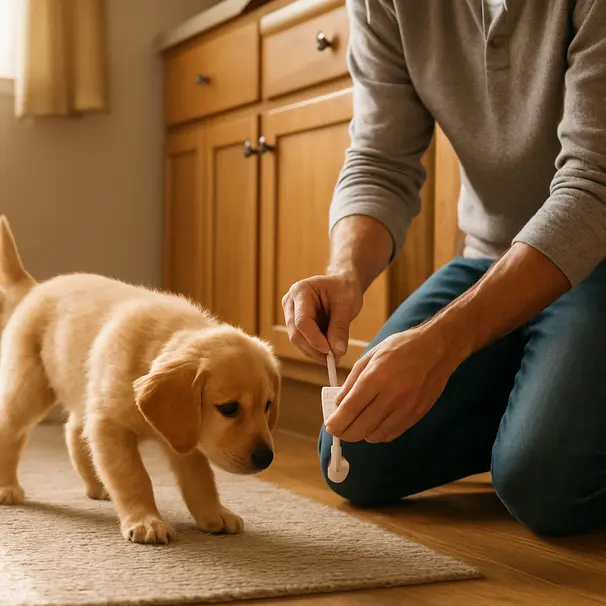
Quick tips for rooms with extra risk
Kitchen: Use stove knob covers and keep hot pans on back burners. Be cautious with dangling dish towels.
Bathroom: Store medications and toiletries in high cabinets. Keep the toilet lid down for curious water lovers.
Laundry room: Keep detergents sealed and the door closed. Some detergents can irritate paws or skin if spilled.
Bedroom: Watch for small items on nightstands and bed skirts where toys or socks can hide.
Meeting and Handover: First Minutes Matter
A calm, predictable handover sets the tone for the whole visit. Owners and carers can do a lot with a short, clear exchange.
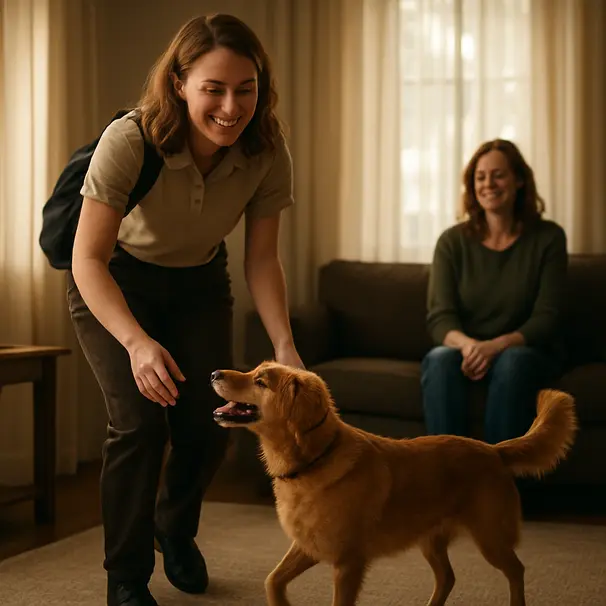
- Introductions: Let the pet approach the carer first. A gentle greeting is better than a direct reach.
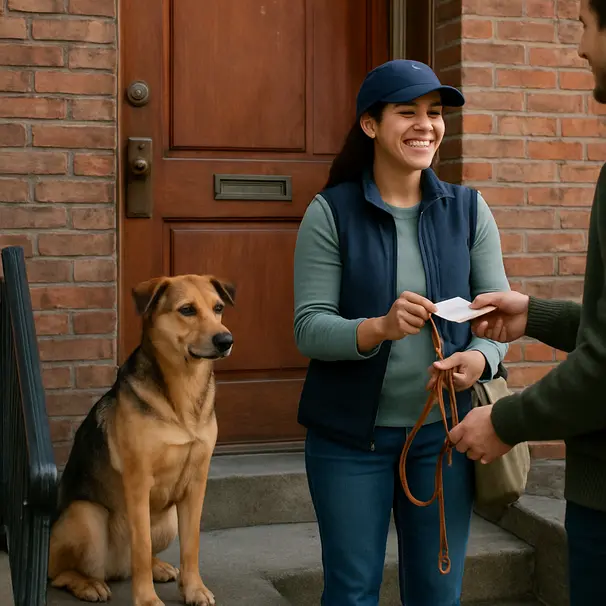
- Handover script: Owners can leave a brief note with key points: feeding schedule, any recent behavior changes, and emergency contacts. Carers can confirm they’ve read and understood the note.
- Comfort items: Ask for a favorite toy, blanket or bed. Familiar scents help pets settle faster in the presence of a new person.
- Safe pick-up and leashing: When taking a dog out, fasten the leash before opening the door. For cats, keep carriers zipped until the cat is calm.
- Trial run: If it’s a first-time carer, a short meeting walk or a 10–15 minute visit can help the pet and carer get comfortable.
A calm handover reduces stress for pets and prevents accidental escapes. If a pet is shy or reactive, slow introductions and clear boundaries make everyone feel safer.
Walks and Outdoor Safety
Walks are a highlight for many pets. A few practical choices can reduce risk and improve enjoyment.
- Use the right gear: Harnesses often give better control than collars. For dogs that pull, consider a front-clip harness or seek guidance from a trainer.
- ID and microchips: Make sure collars have up-to-date ID tags and that microchip details are current. A quick check before leaving home helps.
- Leash checks: Inspect leash clips and stitching for wear. A second leash or slip lead in the car can be useful in emergencies.
- Traffic awareness: Keep pets close around busy roads. Practice short distance recalls and reinforce calm behaviors at curbside.
- Heat and cold: On hot days, walk in the cooler parts of the day and test pavement with your hand. On cold days, consider a coat for short-haired or small pets.
- Wildlife and plants: Watch for toxic plants, mushrooms, and wildlife reactions. If a pet shows sudden coughing, vomiting or unusual behavior after sniffing something, consider contacting a vet.
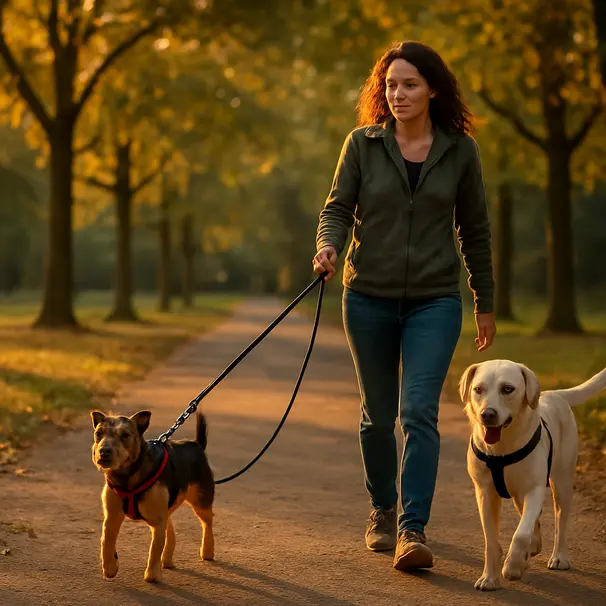
When walking multiple dogs, match their paces and temperament. Two calm leashes beat one chaotic tangle.
Car Safety and Travel
Transport is a frequent source of stress and risk. A few precautions can make trips safer.
- Secure carriers: Cats and small dogs travel best in a sturdy carrier. Strap carriers into the back seat when possible.
- Seat restraints: For larger dogs, a crash-tested harness or a travel crate is safer than a loose dog in the back seat.
- Avoid front seats: Airbags can injure animals. Pets are safer in the rear seat or cargo area with a proper barrier.
- Frequent breaks: On long trips, stop for short bathroom and stretch breaks. Offer water and a chance to move around safely.
- Never leave a pet unattended in a car on hot or cold days. Temperatures can become dangerous very quickly.
A calm carer who knows the pet’s favorite travel cues—like a chew toy or soft music—can help reduce motion sickness and anxiety.
Food, Treats, and Medication
Clear rules around feeding can avoid tummy troubles and accidental overdoses.
- Feeding instructions: Owners should leave exact portion sizes, recommended treats, and timing. Carers should confirm amounts before feeding.
- Food storage: Keep food sealed to maintain freshness and prevent scavenging. Label any special diets and separate them from regular food.
- Treat safety: Use treats to reward good behavior, but check ingredients and calories. Treats that are too large or hard can be choking hazards for small pets.
- Medications: Provide written instructions and the original packaging. Carers should ask about timing windows, possible side effects, and what to do if a dose is missed.
- If in doubt, ask. It’s better to confirm a feeding or medication than to worry later.
When a pet has a special diet or symptoms after eating, suggest the owner consult their vet for guidance.
Recognizing Signs of Stress or Illness
Carers and owners both benefit from learning common red flags.
- Behavioral changes: Sudden hiding, aggression, or withdrawal can signal pain or fear.
- Appetite shifts: Loss of appetite or sudden ravenous hunger may point to an underlying issue.
- Respiratory signs: Coughing, wheezing or rapid breathing warrant attention.
- Mobility changes: Limping, stiffness, or reluctance to jump up can mean injury or discomfort.
If a pet shows severe or worrying signs, carers should contact the owner and consider veterinary advice. Use language like “consider contacting a vet” and describe what you observe. Quick, calm communication makes decision-making easier for everyone.
Emergency Prep for Owners and Carers
Being ready helps a stressful situation stay manageable.
- Create an emergency contact list: Include the owner, a backup family member, the regular vet, an emergency vet clinic, and a poison control number.
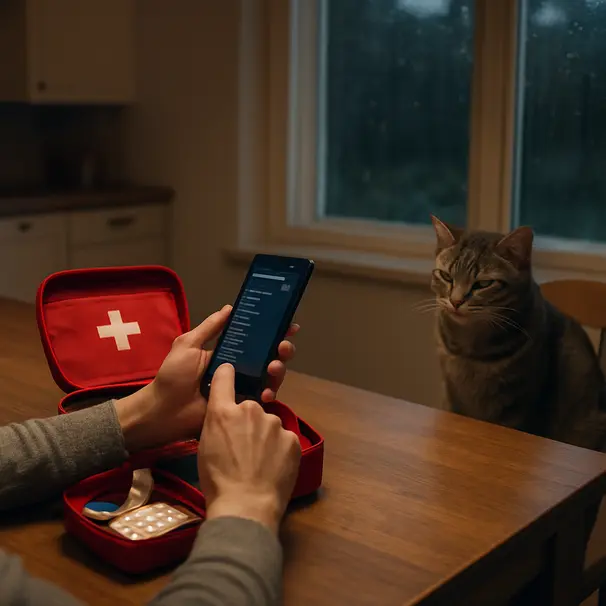
- First aid kit: A small kit with gauze, bandage tape, tweezers, a muzzle or soft cloth, and antiseptic wipes can help. Know how to use items before you need them.
- Know the route: Have driving directions and the fastest route to the nearest emergency clinic saved in the phone.
- Practice calm responses: Pets pick up on tone. A steady voice and confident movements can reduce panic.
Remember, a well-prepared carer doesn’t replace veterinary care. First aid can help stabilize a pet, but vets should assess injuries or sudden serious illness.
Special Considerations: Seniors, Nervous Pets, and Medical Needs
Pets with special needs ask for small adjustments and a bit more patience.
- Seniors: Older pets may need ramps, softer bedding, or help with stairs. Shorter, more frequent walks can be easier on aching joints.
- Nervous pets: Use slow introductions, low-energy greetings, and plenty of positive reinforcement. A predictable routine and familiar scents help them relax.
- Medical needs: For pets with chronic conditions, leave clear instructions about treatments, emergency thresholds, and what changes to monitor for.
Carers should feel comfortable asking owners for demonstrations on administering medications or supporting mobility. Practice builds confidence.
Communication, Trust, and Documentation
Good communication keeps everyone on the same page.
- Use a handover note or app: Jot down feeding times, last bathroom break, medications given, and any unusual behavior.
- Share photos: A quick photo during the visit reassures the owner and documents the pet’s mood and condition.
- Be honest: If something went wrong or you made a mistake, report it right away. Owners appreciate transparency and quick problem-solving.
- Feedback loop: After visits, owners and carers can leave brief notes about what went well and what to tweak next time.
Trust grows from small dependable actions. Little details like returning a clean leash or noting a new quirk show attentiveness.
A Practical Safety Checklist
Keep a one-page checklist somewhere visible for both owners and carers.
- Contact list on fridge and phone
- Feeding amounts and times
- Medication schedule and instructions
- Favorite toys and calming items
- House rules (no couches, stairs, etc.)
- Emergency clinic directions
- Keys, leashes, and carrier location
A quick glance at the checklist before leaving home or starting a visit can prevent most misunderstandings.
Final Thoughts: Kindness, Consistency, and Small Wins
Safety is a practice, not a one-off task. A calm handoff, clear instructions, and a little prep work go a long way. Pets respond to routine and gentle confidence. Owners should feel comfortable sharing quirks and needs. Carers should feel empowered to ask questions and to act calmly in unexpected moments.
Both owners and carers share the reward: a relaxed pet, fewer emergencies, and the peace of mind that comes from thoughtful care. Keep learning, keep communicating, and celebrate the small wins—a quiet nap, a successful walk, or a tails-up greeting. Those moments mean you’ve done something right.
If you’re unsure about a health concern, consider contacting a veterinarian. Small checks, regular habits, and good teamwork can help pets live safely and happily.